Think Nigerian weddings are just about showing up in a nice outfit? That’s a rookie mistake. A Nigerian wedding isn’t just an event; it’s a multi-layered cultural production, and your role as a guest is more than a spectator. To be a great guest, you must understand the unspoken rules of attire, gifting, and participation. Proper Nigerian wedding guest etiquette involves navigating the dress code (especially Aso Ebi), knowing when and how to give money, and engaging respectfully in traditional ceremonies. This isn’t just about avoiding a faux pas; it’s about honouring the couple and their families. By the end of this guide, you will know exactly how to be an exemplary guest at any Nigerian wedding, from the engagement ceremony to the last dance.
Before you attend, ensure you have a few things ready:
- Your invitation (digital or physical)
- An appropriate outfit, potentially including Aso Ebi
- Cash for “spraying” and a separate gift
- A clear understanding of the event schedule
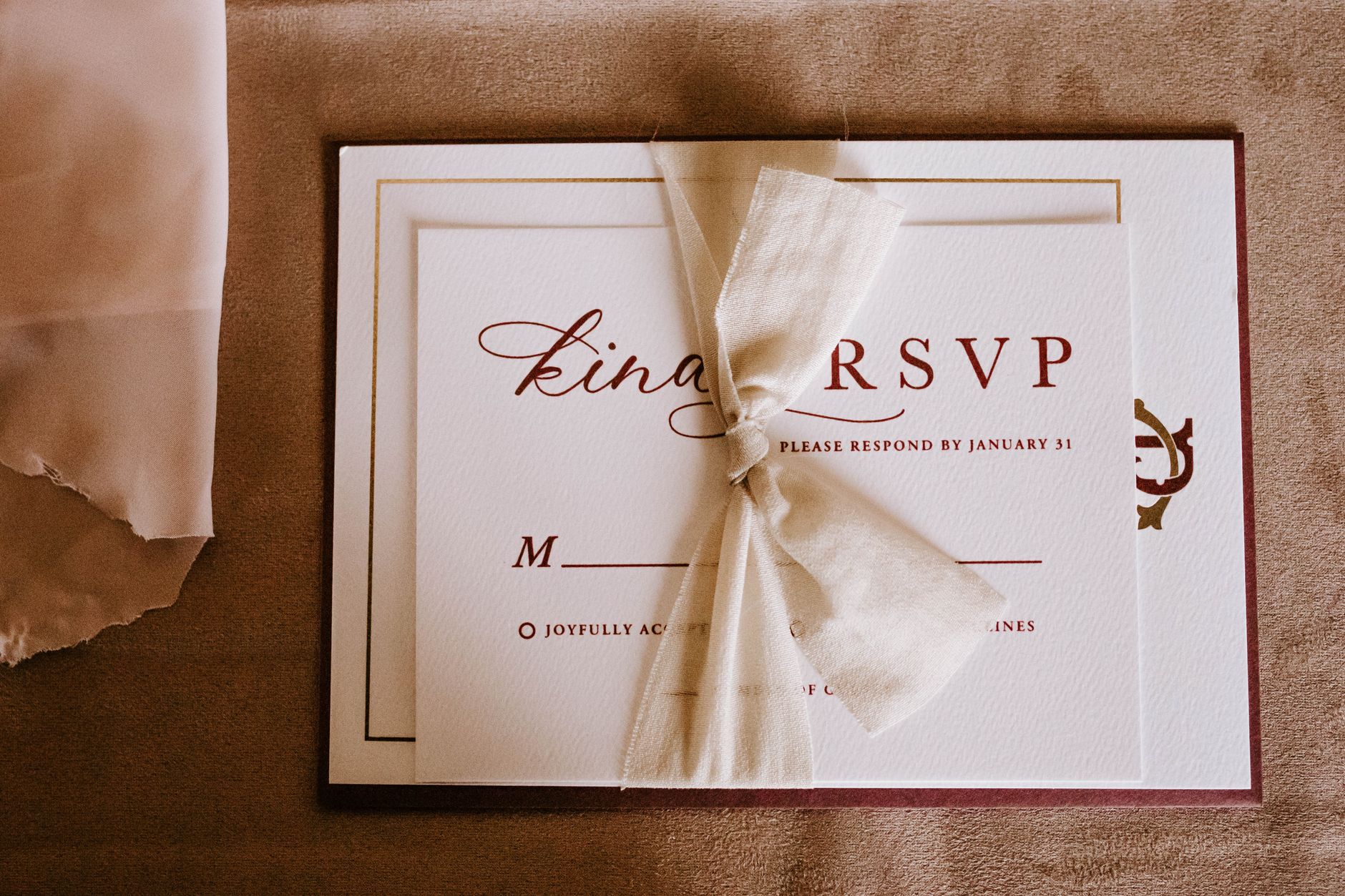
1. Decode the Invitation and RSVP Promptly
Your first test of etiquette begins the moment you receive the invitation. It contains more than the date and time. Look for specifics: Is it a traditional engagement and a white wedding? Are they on the same day or separate? Does it mention a specific dress code or colour scheme? Many modern Nigerian couples use services like RSVPify to manage their guest lists, making the process simple. Don’t ignore it.
RSVPing promptly is critical for planning. Venues, including ours on Ikotun-Idimu Road, need accurate headcounts to manage everything from seating charts to catering. A venue with a capacity of 500-1000 people has to be meticulous with its numbers. Delaying your response creates real logistical problems for the couple and their planners. A simple “Yes, I will attend” or “No, I regretfully cannot” sent within a week of receiving the invite is the standard. Don’t be the person the couple has to chase down two weeks before their big day.
2. Understand and Respect the Dress Code

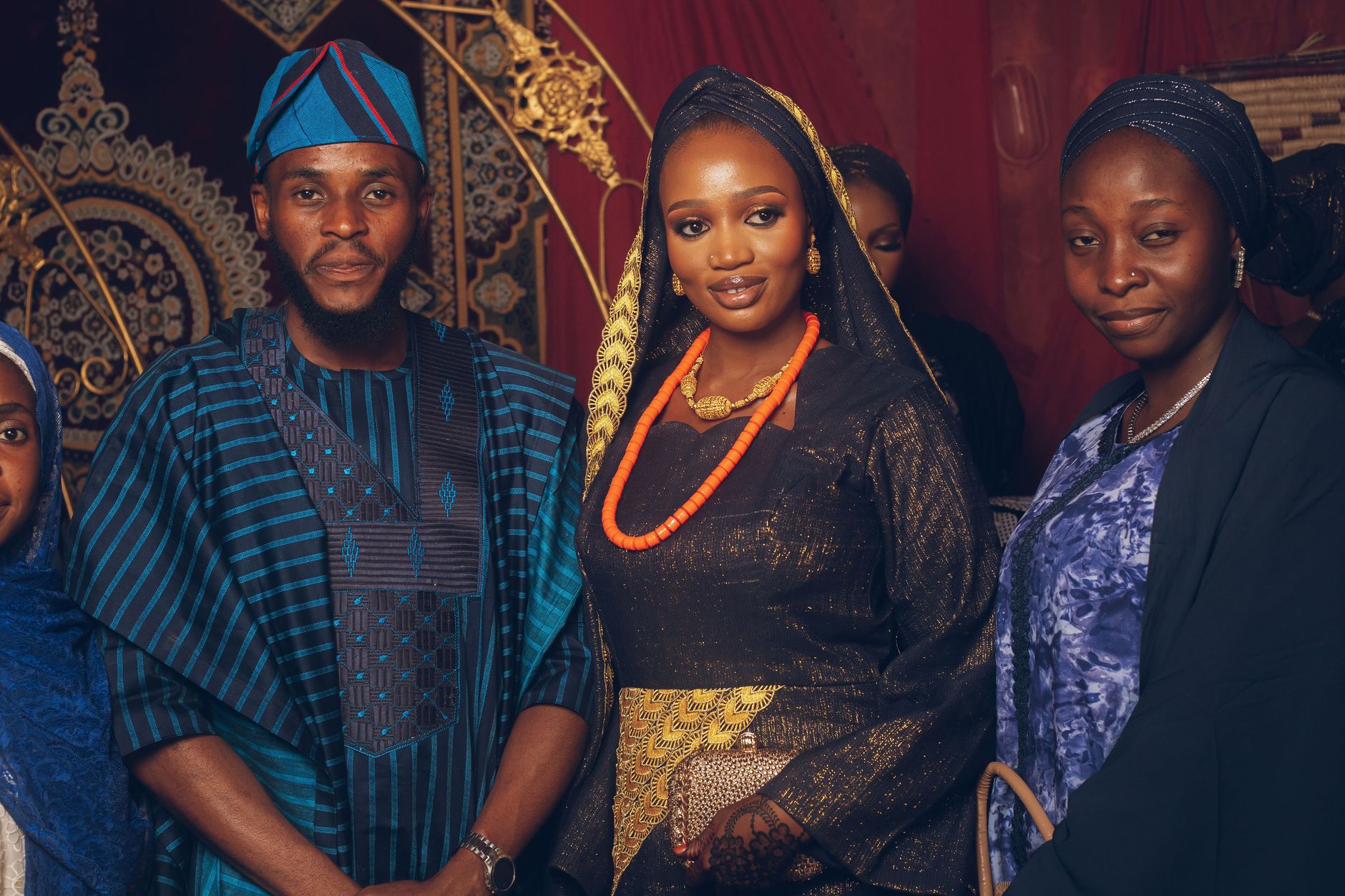
“What should I wear?” is the most common guest question, and for good reason. Attire at a Nigerian wedding is a statement. If the invitation specifies Aso Ebi (a uniform fabric chosen by the family), you are strongly encouraged to purchase and wear it. It signifies you are part of the inner circle. Declining to wear the Aso Ebi when you are eligible can be seen as distancing yourself from the family. If you do buy it, make sure you get it to a tailor immediately; good tailors in Lagos are booked weeks in advance.
If there is no Aso Ebi, the dress code is still formal and festive. Think vibrant colours, elegant fabrics, and impeccable tailoring. For men, a well-made Agbada or a sharp suit is appropriate. For women, a stylish gown or a traditional Iro and Buba set works perfectly. Avoid wearing all-white, as that is often reserved for the bride. Also, avoid black unless it’s part of a clearly stated modern theme. According to a piece in Vogue, the goal is to look celebratory, not sombre.
3. Arrive on Time, but Expect “African Time”
Here’s a paradox of Nigerian wedding guest etiquette: you must be punctual, even if the event starts late. “African Time” is a real phenomenon, where events can begin 1-2 hours after the stated time. However, this is not an excuse for guests to be tardy. The ceremony will not wait for you. Arriving late, especially to the religious service or traditional rites, is disrespectful.
Plan to arrive at the time printed on the invitation. This shows respect for the couple and the proceedings. Use the buffer time to find good seating, greet other guests, and take pictures. The most important parts of the wedding, like the exchange of vows or the traditional prayers, happen early. Being late means you miss the core of the event you were invited to witness. The reception might be more flexible, but the ceremony is not.
Don’t confuse “African Time” with a personal hall pass for lateness. The couple is expected to be late; the guests are not. Your punctuality is a sign of respect.
4. Master the Art of “Spraying” Money
“Spraying” is the practice of joyfully throwing or placing cash on the couple (and sometimes their family members) as they dance. It’s a quintessential part of Nigerian celebrations, a symbolic gesture of showering the new couple with blessings and good fortune. But there’s a right way and a wrong way to do it. Never “spray” old, crumpled notes. Go to the bank before the wedding and get crisp, new Naira notes. Low denominations (₦200, ₦500, or ₦1000) are standard.
When the couple is on the dance floor, approach them calmly. You can either lightly toss the notes in their direction or gently place them on their forehead or shoulders. Be graceful. Do not be aggressive, and never disrupt their dance. It is also customary to “spray” the couple’s parents. The amount you spray is personal, but it’s the gesture, not the grand total, that matters. According to research on Nigerian social events, this practice reinforces community support for the new union, as detailed by institutions like the University of Birmingham. For an event as significant as a wedding, participating is a key part of the experience.
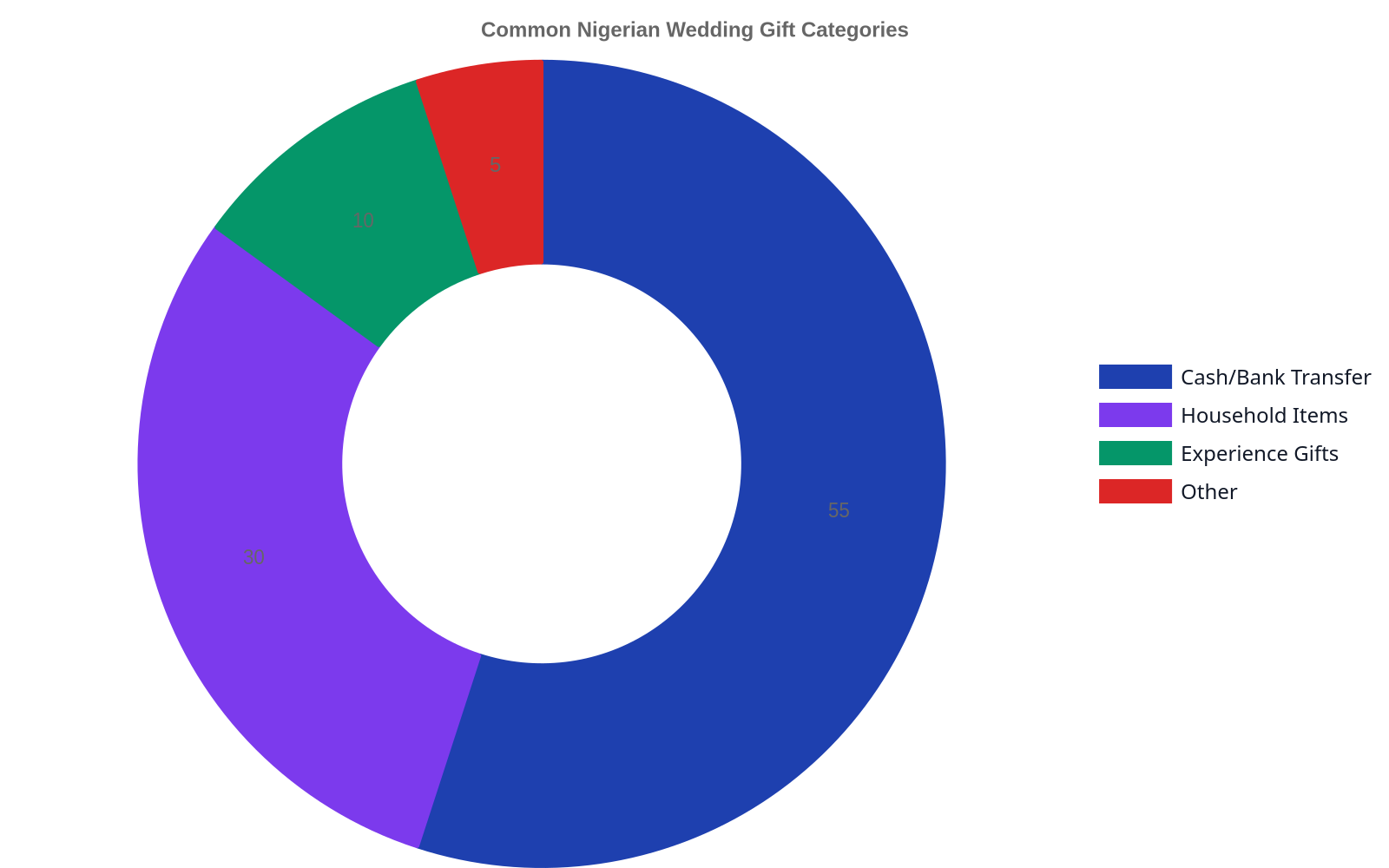
5. Gift-Giving Etiquette: What to Bring
| Gift Type | Description | Considerations | |
|---|---|---|---|
| Cash Gifts | Direct monetary contribution | Most common and appreciated, contributes to new home/life | |
| Registry Items | Specific items chosen by couple | Less common but growing, ensures desired items | |
| Traditional Items | Cultural items like fabrics or jewelry | Thoughtful, shows cultural appreciation |
The invitation doesn’t always spell out the gift expectations, which can be confusing. Is the money you “sprayed” your gift? The short answer is no. Spraying is a participatory celebration; a wedding gift is a separate, more personal gesture of support for the couple’s new life together.
Many modern couples have a gift registry, which is the easiest way to get them something they actually need. If there’s no registry, cash is king. A discreet envelope with cash is always a welcome gift. How much you give depends on your relationship with the couple and your budget, but it should be a thoughtful amount. Avoid bulky physical gifts unless they are from a registry. The couple will have a hard time transporting a dozen blenders and toasters from the venue. We often see piles of boxed gifts at our weddings, and coordinating their transport at the end of a long day is a real challenge for families.
6. Navigating the Food and Drinks Situation
Nigerian weddings are feasts. You will not go hungry. However, be patient. With guest counts often in the hundreds (our venue capacity fits 500-1000 attendees), serving everyone takes time. It’s considered poor form to harass the servers or complain loudly about the wait. Wait for your table to be served. There is always enough food.
For drinks, most weddings have an open bar. Enjoy the hospitality, but know your limits. A wedding is a family event, and getting drunk and unruly is the fastest way to become “that guest” everyone talks about for the wrong reasons. Pace yourself. Drink water between alcoholic beverages. The goal is to celebrate with the couple, not to cause a scene that requires intervention. Remember, venues are equipped with 24/7 CCTV Surveillance, and you don’t want your embarrassing moments captured for posterity.
7. Participate Respectfully in Traditional Ceremonies
Many Nigerian weddings, especially in Lagos, involve intricate traditional ceremonies before or alongside the “white wedding.” You might witness the Igbeyawo among the Yoruba or the Igba Nkwu among the Igbo. These are not just photo opportunities; they are deeply significant cultural and spiritual events. A guide on Nigerian wedding traditions by CNN Africa highlights the rich symbolism involved.
Your role is to be an attentive and respectful observer. Keep your phone on silent. Do not talk loudly while elders are speaking or praying. If there are moments that require guest participation, like the “prostration” in a Yoruba wedding where the groom and his friends lie flat before the bride’s parents, be respectful of the space. Follow the lead of the family and the MC. Your respectful presence honours the culture, the families, and the couple.
A wedding reception is a party, but the traditional ceremony is a rite. Treat it with the reverence you would any other sacred event.
Troubleshooting Common Guest Dilemmas
- I can’t afford the Aso Ebi. If the fabric is truly outside your budget, it is acceptable to politely decline. A good alternative is to ask for the wedding colours and wear a beautiful outfit in a complementary shade. The couple will understand.
- I have dietary restrictions. Inform the couple or their planner well in advance, not on the day of the wedding. Most caterers can accommodate allergies or dietary needs if given notice. Don’t just show up and expect a special meal.
- I don’t know anyone. A wedding is a social event! Don’t just sit at your table scrolling through your phone. Introduce yourself to the people at your table. Ask them how they know the couple. You already have a shared connection, which is a perfect icebreaker.
FAQ
Is it okay to bring a plus-one if my invitation didn’t say so?
No. Unless your invitation explicitly says “and Guest,” you should not bring a plus-one. Wedding budgets are calculated per head, and an unexpected guest creates problems for seating and catering. Assuming you can bring a guest is a major breach of Nigerian wedding guest etiquette.
How much money should I spray at a Nigerian wedding?
There is no fixed amount. It depends on your financial capacity and your relationship with the couple. It is more about the act of participating in the celebration. A handful of crisp ₦500 or ₦1000 notes is perfectly acceptable. The gesture matters more than the total value.
What is the difference between the traditional wedding and the white wedding?
The traditional wedding, or engagement ceremony, involves cultural rites specific to the couple’s ethnicity (e.g., Yoruba, Igbo, Hausa). It includes things like the dowry payment, prayers from elders, and other traditions. The “white wedding” is typically a Christian ceremony, often held in a church, followed by a reception. Couples may have both on separate days or on the same day.
Can I wear black to a Nigerian wedding?
Traditionally, black is associated with mourning and is generally avoided at celebratory events like weddings. While modern trends are shifting, it is safer to opt for bright, festive colours unless the invitation specifically calls for a black-tie theme. When in doubt, choose colour.
How long does a typical Nigerian wedding last?
Be prepared for a long day. If the traditional and white weddings are on the same day, events can start in the morning and go late into the night. A reception alone can easily last 5-7 hours. It’s a marathon, not a sprint. Wear comfortable shoes.
What if I am invited but cannot attend?
If you cannot attend, you must still RSVP “no” promptly. It is also a good and common practice to send your gift anyway. This shows you are celebrating with the couple in spirit and wish them well, even if you cannot be there in person. A popular option is to send money via a bank transfer. Details can often be found on a couple’s wedding website or from a family member. According to a 2022sending a gift in your absence is standard practice.
Attending a Nigerian wedding is an honour and an incredibly fun experience. By understanding these key aspects of Nigerian wedding guest etiquette, you move beyond being a mere attendee. You become a participant who adds to the joy, respects the culture, and truly celebrates the union of two people and their families. At Regal Castle Event Center, we’ve hosted hundreds of weddings and seen the best guests in action. They are the ones who come prepared, participate joyfully, and respect the occasion. Be one of them.