Forget the Western idea of the bride’s family footing the entire bill. In Nigeria, funding a wedding is a communal effort, a beautiful and complex project involving the bride, the groom, and both of their extended families. Wedding financing in Nigeria is almost never the responsibility of one person alone. Instead, it operates as a shared financial endeavor where costs for the traditional and white weddings are distributed based on culture, negotiation, and family capacity. This guide breaks down exactly who pays for what in a Nigerian wedding in 2026.
Our Ranking Methodology
This breakdown isn’t based on a single tradition, as practices vary wildly across Nigeria’s diverse ethnic groups. Instead, we synthesized information by analyzing common patterns across Yoruba, Igbo, and Hausa wedding traditions, cross-referenced with modern, urban practices prevalent in cities like Lagos. We prioritized the most significant cost centers (venue, food, attire, and dowry) and assigned responsibility based on a consensus of contemporary sources and our own experience hosting hundreds of weddings. This gives a practical, blended view of how finances are typically handled today.
The Groom’s Family: Key Responsibilities
The groom and his family are traditionally expected to cover some of the most substantial wedding expenses. Their contributions are seen as a demonstration of their ability to provide for the bride and the new family being formed. For many families in Lagos, these costs are a significant point of pride.
Their financial input establishes the foundation for the ceremonies. This often includes securing the main venue and covering the bride price, a critical cultural element. A study from Kola King notes the groom’s family often takes the lead on several big-ticket items, signaling their commitment.
- Best for: Demonstrating commitment and financial readiness.
- Watch out for: Underestimating the total cost of these core components, which can escalate quickly.
1. The Bride Price (Dowry)
This is a symbolic and mandatory payment from the groom’s family to the bride’s family. It is not “buying” a wife, but a customary gesture of appreciation and respect. The specific amount and items are determined by the bride’s family and vary significantly based on ethnicity, the bride’s level of education, and family status. In some Igbo traditions, for example, the list can be extensive, including everything from fabrics and livestock to cash. In contrast, some Yoruba traditions may involve a smaller, symbolic cash gift.
2. The Traditional Wedding Venue
While the bride’s family often hosts the traditional wedding ceremony at their home or a location of their choosing, the groom’s family frequently bears the cost of the venue for the main wedding reception or “white wedding.” As a premier venue in Lagos, we see this play out constantly. A large, well-regarded hall that can accommodate 500-1000 guests is a major expense, and the groom’s side typically takes this on as a key contribution to the celebration.
3. Groom’s and Groomsmen’s Attire
The groom is responsible for purchasing his own wedding attire for both the traditional and white weddings. This includes his Agbada, Fila, and any other traditional accessories. He also typically covers the cost of the suits or traditional outfits for his groomsmen, ensuring a coordinated and elegant look for his entourage.
The Bride’s Family: Key Responsibilities
The bride’s family traditionally carries the honor of hosting the traditional wedding ceremony itself. Their contributions are centered around showcasing their daughter and welcoming the groom’s family into their fold. Their expenses are often focused on hospitality and presentation.
Their role is deeply tied to the cultural rites of the marriage. According to an analysis by Events by Kae, the bride’s family invests heavily in food and entertainment to ensure guests are well-cared for, reflecting the family’s generosity and social standing.
- Best for: Showcasing family honor, generosity, and hospitality.
- Watch out for: The “hidden” costs of feeding hundreds of guests, which can easily become the single largest wedding expense.
4. Food and Drinks
This is arguably one of the most significant costs and is almost always shouldered by the bride’s family, particularly for the traditional ceremony. Nigerian weddings are famous for their lavish spreads of food and drink. The expectation is abundance; you must have more than enough to feed everyone who attends, invited or not. For a typical 300-400 person wedding, catering costs can average around ₦30,000 per person ($85 per person), often exceeding the venue hire fee.
5. Bride’s and Bridesmaids’ Attire
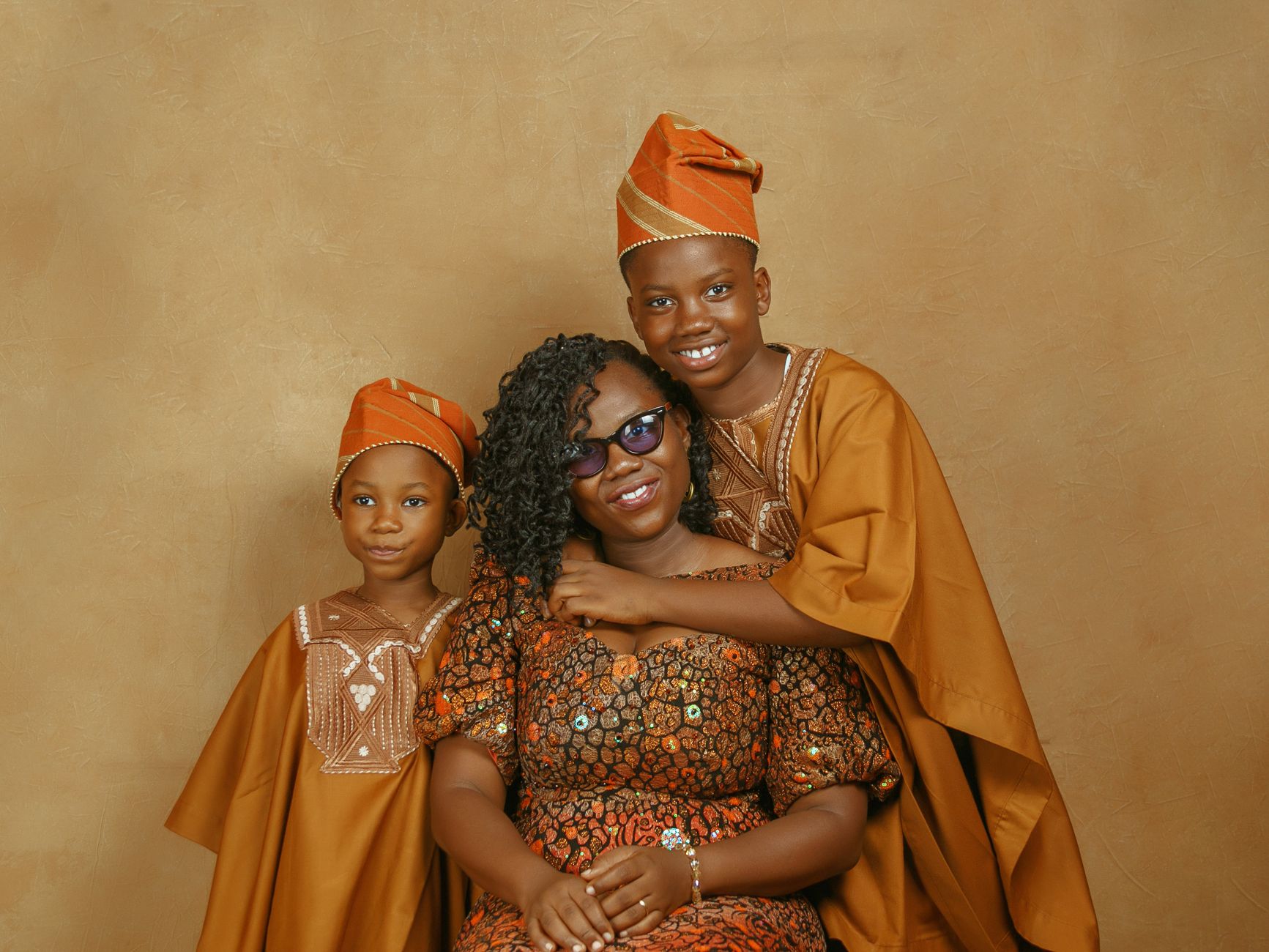
The bride and her family are responsible for her wedding gowns. Both for the traditional and white wedding ceremonies. This includes her intricately designed traditional outfit, headgear (gele), jewelry, and the white wedding dress. The bride’s family also typically coordinates and pays for the dresses and accessories for the bridesmaids.
The most common point of budget friction isn’t the venue or the dress. It’s feeding the guests. The social expectation of abundance means catering costs can spiral, often requiring a delicate re-evaluation of the guest list.
6. Wedding Décor
For the traditional wedding ceremony hosted by the bride’s family, they are generally responsible for the décor. This includes transforming their home or a rented space into a beautiful setting worthy of the occasion. For the main reception, the cost of décor may be split or negotiated, but the bride often has the final say on the aesthetic, and her family frequently contributes to bringing her vision to life.
Shared & Communal Costs
Many expenses in a Nigerian wedding don’t fall neatly into one family’s column. The communal nature of Nigerian society extends fully to wedding financing, with several key costs being shared, negotiated, or funded by the community at large.
This collaborative approach is a hallmark of Nigerian weddings, differentiating them from many Western traditions. A report on Africa’s creative industries from the Brookings Institution highlights how cultural events like weddings are significant economic drivers, partly because of this widespread financial participation.
- Best for: Reducing the financial burden on any single party and fostering a sense of community ownership over the wedding.
- Watch out for: Lack of clear communication, which can lead to misunderstandings and disputes over who was meant to cover a specific item.
7. Entertainment
Who pays for the MC, DJ, or live band? This is often a negotiated expense. Sometimes the groom pays, sometimes the bride’s family pays, and sometimes they split the cost. More commonly, a wealthy family member or a group of friends might “gift” the entertainment to the couple. This flexibility allows for high-quality entertainment without placing the full burden on the immediate families.
8. Aso-Ebi
Aso-Ebi is the traditional, uniform fabric worn by friends and family of the couple. It is a major social and financial element of Nigerian weddings. While coordinated by the bride and her mother, the cost is not borne by them. Instead, they select the fabric and sell it to the guests who wish to participate. This practice is a form of crowdfunding; the (often modest) profit from the fabric sales can be used to offset other wedding costs. It also creates a visually stunning and unified look for the celebration.
9. Photography and Videography
Capturing the memories of the day is crucial, and the cost for professional photography and videography is significant. This expense is frequently split between the bride and groom or their families. Given that a good photographer is essential, many couples prioritize this in their personal budget contributions. You can use a wedding photographer checklist to ensure you are hiring a true professional.
10. Diaspora & Community Contributions
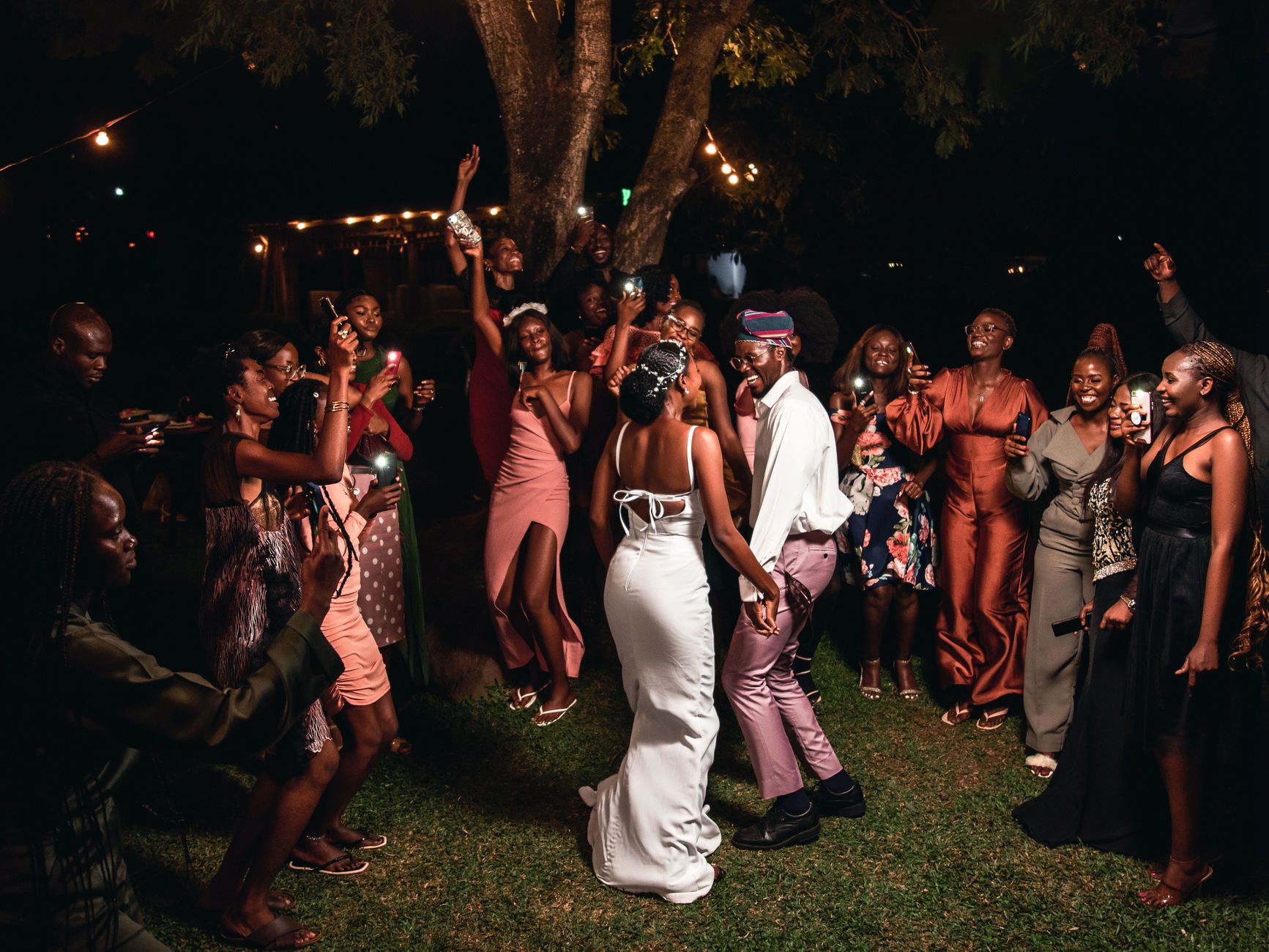
It’s vital to acknowledge the impact of contributions from the diaspora and the wider community. Family members living abroad often send significant amounts of money to support a wedding. Additionally, at the wedding reception itself, guests “spray” the dancing couple with cash. This tradition is more than just a celebratory gesture; it is a direct financial gift to help the newlyweds start their life together. This sprayed money can often amount to a substantial sum, offsetting a large portion of the wedding expenses.
Summary of Wedding Payment Responsibilities
| Expense Category | Primarily Paid By | Notes |
|---|---|---|
| Bride Price (Dowry) | Groom’s Family | A mandatory cultural requirement; amount and items vary by ethnicity. |
| Main Reception Venue | Groom’s Family | A major cost demonstrating the groom’s family’s capacity. |
| Food & Drinks | Bride’s Family | Often the single largest expense, especially for the traditional wedding. |
| Bride’s Attire | Bride’s Family | Includes traditional and white wedding outfits, plus accessories. |
| Groom’s Attire | Groom’s Family | Includes traditional and white wedding outfits for him and his groomsmen. |
| Décor | Bride’s Family / Shared | Bride’s family handles the traditional ceremony décor; reception décor is often negotiated. |
| Entertainment (MC, Band) | Shared / Negotiated | Often split or covered by a sponsoring family member as a gift. |
| Photography/Videography | Shared / Negotiated | Typically split between the couple or their families. |
| Aso-Ebi | Guests | A form of crowdfunding where guests buy the fabric selected by the bride’s family. |
Conclusion: A Shared Celebration
Ultimately, figuring out who pays for what in a Nigerian wedding is a process of communication, negotiation, and tradition. While the groom’s family often handles the venue and bride price, and the bride’s family manages food and their daughter’s attire, many costs are shared. The financial support from Aso-Ebi, diaspora relatives, and guests spraying money underscores the beautiful, communal nature of the celebration.
Planning a wedding in Lagos? The key is open dialogue between both families from the start. As a venue that proudly offers vendor-friendly policies, we understand the importance of managing these moving parts. A successful Nigerian wedding isn’t just about love; it’s about the joining of two families in every sense, financially and emotionally.
FAQ
What is the average cost of a Nigerian wedding?
Location, guest count, and choice of vendors are the biggest factors.
How does the ‘white wedding’ payment differ from the traditional one?
The traditional wedding costs are more strictly divided along cultural lines, with the bride’s family hosting and providing food. For the white wedding reception, costs are more frequently shared or negotiated. For example, the groom’s family might pay for the venue, while both families contribute to food, or the couple themselves cover entertainment from their personal funds.
What happens if a family cannot afford their traditional share?
This is where negotiation and community support become crucial. If one family has less financial capacity, the other may agree to take on a larger share. Extended family members (uncles, aunts, cousins) are often expected to contribute. The process is flexible and prioritizes the successful union of the couple over rigid adherence to financial roles.
Is the bride price negotiable?
Yes, the bride price is almost always negotiable. The bride’s family provides a list of requirements, which the groom’s family then reviews. A process of friendly haggling, often led by elder family members, follows until a mutually agreeable list is settled upon. The goal is not to exact the highest price but to engage in a respectful cultural exchange.
Who pays for the honeymoon?
Traditionally, the groom is solely responsible for the honeymoon. This is seen as his first act of providing for his new wife and is rarely a shared or negotiated expense. Modern couples, however, may choose to plan and pay for their honeymoon together, especially if they have shared financial goals.
How can we manage disagreements over money between families?
Designate one or two respected elders from each family to act as liaisons. Instead of the couple or their parents having difficult conversations directly, these intermediaries can negotiate disputed costs calmly. It is also wise to create a detailed, shared budget early in the Nigerian wedding planning process to create transparency and manage expectations.