Most wedding photography checklists are written for the photographer. They focus on camera settings and lens choices—details you, the couple, should not have to worry about. This is the checklist for you. If you’re planning a Nigerian wedding, you’ll find a comprehensive planning list here. For those planning a wedding in Lagos, plan your lagos wedding with our tailored guide. It’s a tool to ensure you hire the right professional and that they capture your day completely.
A comprehensive wedding photographer checklist ensures you ask the right questions, define a clear shot list, and understand the photographer’s plan for gear, lighting, and timelines. It is not just a list of poses; it is a communication framework to align expectations, from the getting-ready moments to the final dance, ensuring no critical memory is missed. This list covers what to verify with your photographer before, during, and after your wedding day in Lagos.
Questions to Ask Your Wedding Photographer
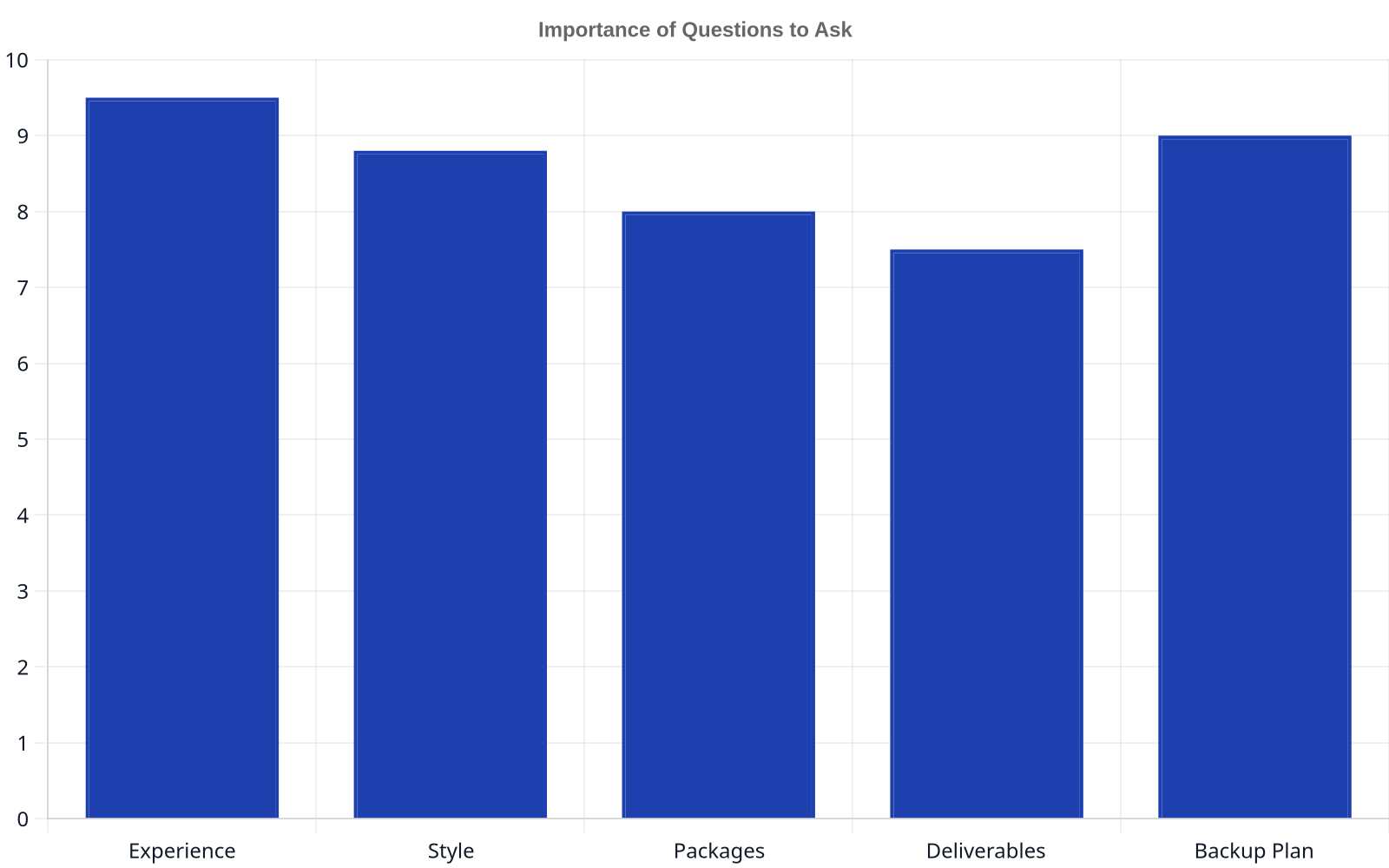
Before you even think about a shot list, you need to know if the photographer is a true professional. Price is a factor, but their process, experience, and contingency plans matter more. A low price often means high risk. Ask these questions before signing any contract:
- Experience & Style: How many weddings have you photographed as the lead photographer? Can we see three full wedding galleries you’ve shot recently?
- Logistics: Are you familiar with our venue? If not, will you do a site visit? Do you have a backup photographer in case of emergency?
- Deliverables: What is your average delivery time for the full gallery? How many edited images are included? What are the costs for albums or prints? (e.g., from ₦150,000 to ₦500,000+)
- Legal: Can we review your contract? Do you have business liability insurance? What are the usage rights for our photos?
Wedding Photography Styles Explained
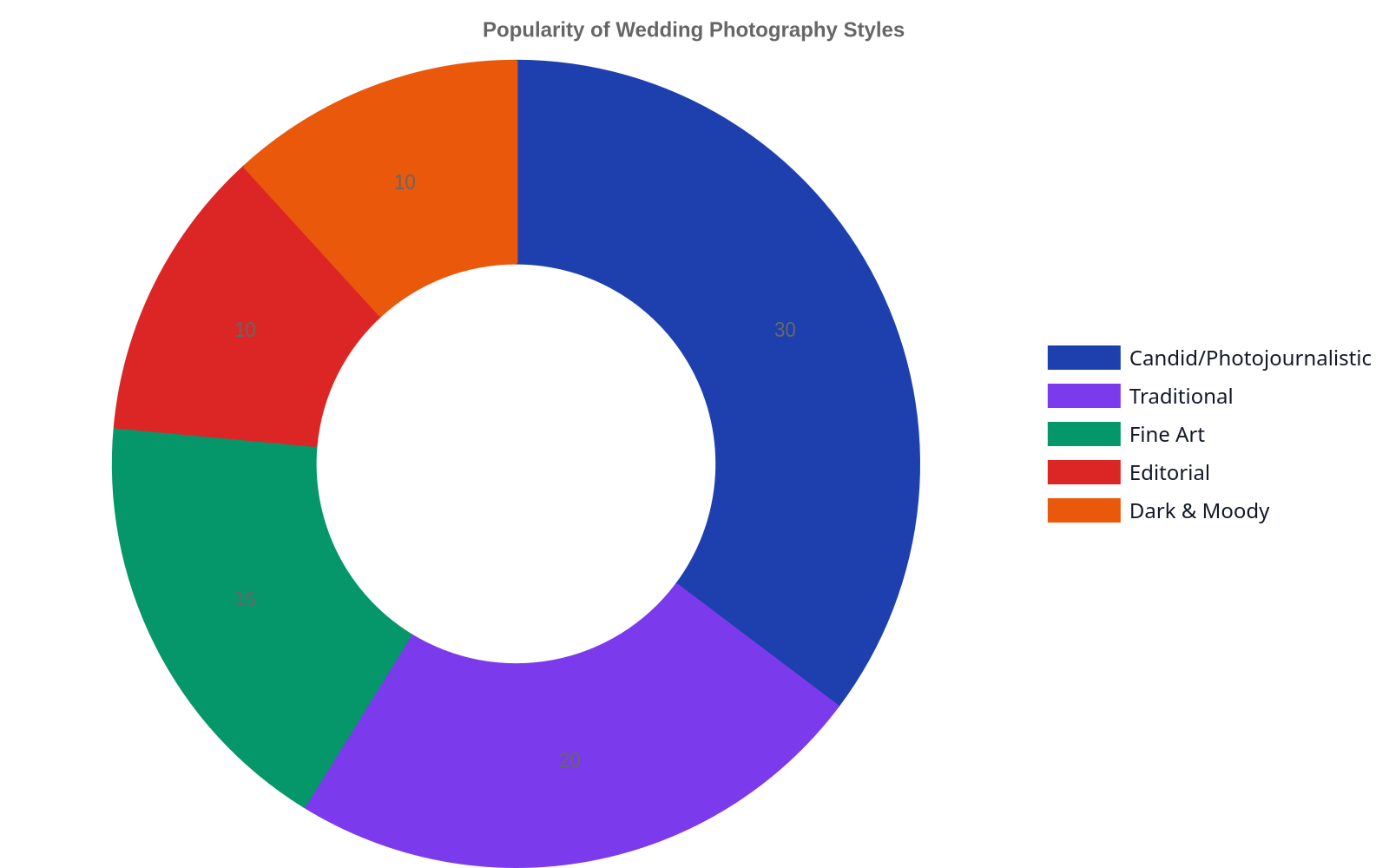
Understanding the language of photography helps you articulate what you want. Most photographers blend styles, but they usually specialize in one or two. Knowing these terms helps you find a photographer whose portfolio matches your vision.
- Traditional/Classic: Posed, formal shots that are timeless. Think of your parents’ wedding album.
- Photojournalistic/Documentary: A candid, storytelling approach with minimal posing. The photographer captures moments as they happen.
- Fine Art: Artistic, stylized images that are often dramatic and look like they belong in a magazine. The composition and lighting are very deliberate.
- Lifestyle: “Posed candids.” The photographer gives direction to elicit natural-looking interactions and emotions.
Understanding Photography Package Pricing
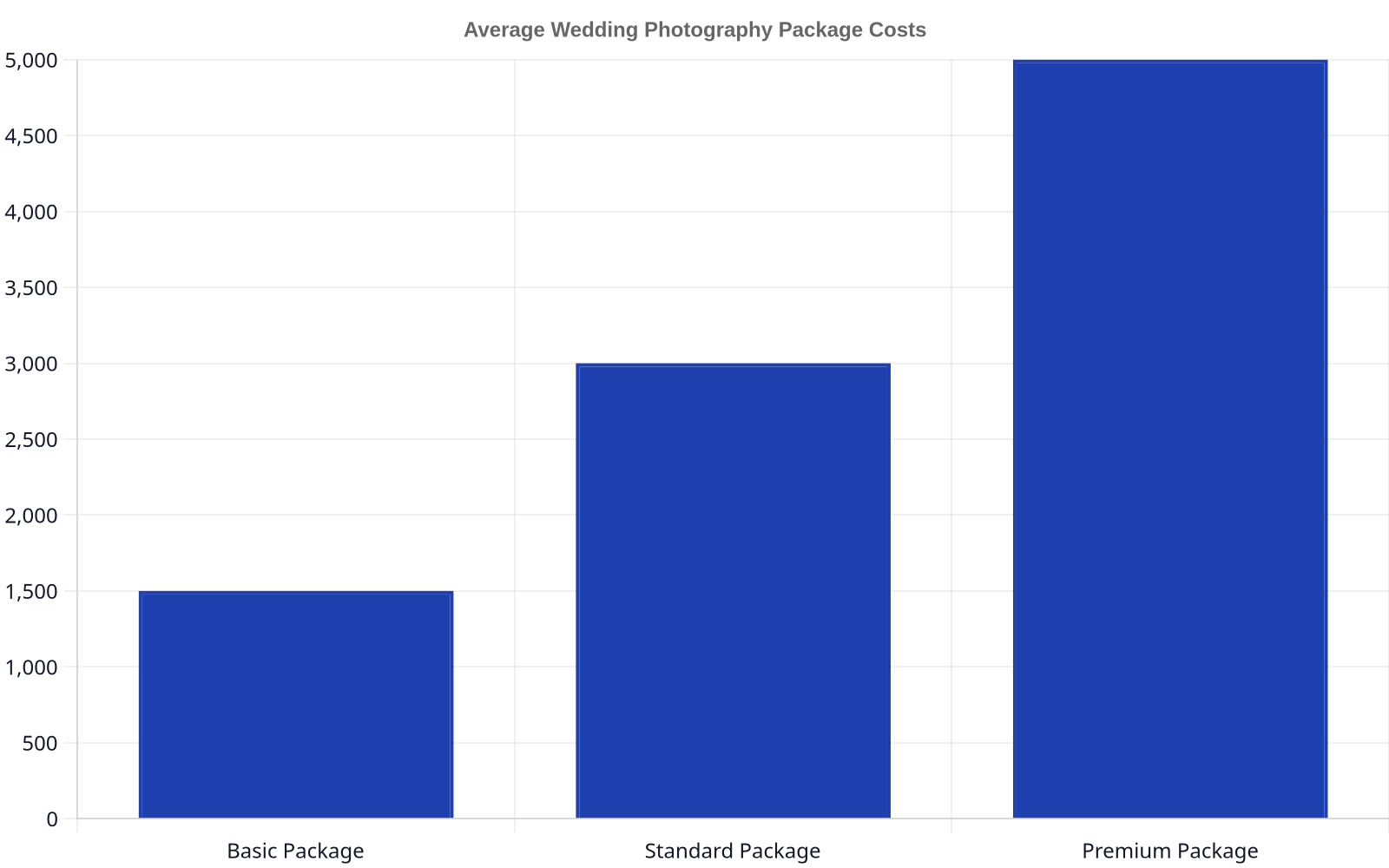
In Nigeria, wedding photography prices can vary dramatically, from ₦300,000 to over ₦3,000,000. It’s crucial to understand what you are paying for. A basic package might only include one photographer for 6 hours and digital files. A premium package should offer more.
Here’s what to look for in a mid-to-high-tier package:
- Coverage Time: 10-12 hours to cover everything from getting ready to the reception.
- Photographers: A lead photographer and at least one second shooter. A second shooter is not an assistant; they are a qualified photographer capturing different angles.
- Deliverables: A full gallery of high-resolution edited images (at least 500-800), a high-quality wedding album, and potentially a pre-wedding shoot.
- Travel: Clear terms on travel costs if your wedding involves multiple locations in Lagos or is outside the city.
The Core Shot & Timeline Checklist
This is the heart of your communication with your photographer. A well-planned timeline and shot list, developed together, prevents stress. As a venue that offers event planning assistance, we see firsthand that a photographer who helps build the timeline is a massive asset.
Essential Shots (By Timeline)
- Getting Ready: Dress, shoes, rings, invitations (styling kit shots); candid moments with bridesmaids/groomsmen; final touches on hair/makeup; putting on the dress/suit.
- First Look/Portraits: (If applicable) The couple seeing each other; individual portraits of each partner; couple’s portraits.
- Ceremony: Venue shots (empty); guests arriving; processional; giving away; vows and ring exchange; the first kiss; recessional.
- Family Formals: This is critical. Provide your photographer with a specific, written list of names and groupings to make this process fast (15-30 minutes max). See the copyable list below.
- Reception: Grand entrance; first dance; parent dances; toasts and speeches; cake cutting; bouquet/garter toss; open dancing; grand exit.
The Photographer’s On-the-Day & Post-Wedding Plan
These are the details that separate a professional from an amateur. You need to know they have a plan for things going wrong and a clear process for after the wedding.
Don’t just ask if they have backup gear. Ask what their specific backup plan is. If their main camera fails, what camera do they pull out? If a flash dies, where is the spare? A professional has an answer, not a hesitation.
On-the-Day Professionalism
- Backup Gear: They must have at least two professional camera bodies, multiple lenses, and backup lighting. A dead battery or broken lens shouldn’t end the shoot.
- Data Security: How do they back up photos during the day? Pros often shoot on dual card slots, creating an instant backup. How do they store the files after?
- Venue Coordination: A good photographer works with the venue. Our vendor-friendly policies ensure photographers have the access and support they need, but it’s their job to communicate their requirements for lighting and space ahead of time.
- Emergency Kit: Beyond camera gear, pros carry things like stain remover pens, painkillers, and safety pins. This kit often saves the day in small ways.
Post-Wedding Workflow
- Sneak Peeks: Will you provide a small gallery of “sneak peek” images within 48-72 hours? This is a standard practice.
- Editing & Delivery: Confirm the final gallery delivery timeline in the contract. A typical professional timeline is 6-12 weeks.
- Album Design: What is the process for album proofing and revisions? How many rounds of changes are included?
Complete Wedding Photographer Checklist for Couples (Copyable)
Phase 1: Vetting
- [ ] Review 3 full wedding galleries.
- [ ] Confirm experience with your venue type and size (our venue fits 500-1000 guests).
- [ ] Get a detailed price list for packages and à la carte items (albums, extra hours).
- [ ] Ask about their specific backup gear and data backup process.
- [ ] Read and understand the entire contract before paying a deposit.
- [ ] Verify they have liability insurance.
Phase 2: Planning (1-3 Months Out)
- [ ] Finalize the wedding day timeline with the photographer and planner.
- [ ] Create a specific, written family formal shot list (names and groupings).
- [ ] List 5-10 “must-have” specific shots.
- [ ] Discuss lighting plans, especially for dark reception halls.
- [ ] Confirm arrival/departure times.
Phase 3: Post-Wedding
- [ ] Confirm date for “sneak peek” delivery.
- [ ] Note the final gallery delivery date from your contract.
- [ ] Understand the album design and revision process.
- [ ] Clarify your rights for printing and sharing the photos.
Family Formal Shot List (Example)
- Partner 1 with parents
- Partner 1 with parents & siblings
- Partner 1 with siblings
- Both partners with Partner 1’s parents
- Partner 2 with parents
- Partner 2 with parents & siblings
- Partner 2 with siblings
- Both partners with Partner 2’s parents
- Both partners with all parents
- Both partners with all parents & all siblings
FAQ
How much should I budget for a wedding photographer in Nigeria?
As noted in a breakdown by Pulse Nigeria, photography is a significant part of a wedding budget. Anything drastically lower may involve major compromises on experience, reliability, or quality.
What is the difference between a second shooter and an assistant?
A second shooter is another professional photographer capturing different angles and moments simultaneously. An assistant helps the main photographer with lighting, carrying gear, and organizing groups. A second shooter adds significant value by providing more coverage; an assistant makes the lead photographer more efficient.
Do I need to feed my wedding photographer?
Yes. You should provide a meal for any vendor working through your reception, including the photography team. Their contracts will often specify this. A fed photographer is a happy and energetic photographer, which is what you want during a long 10-hour day.
What happens if the photographer gets sick or can’t make it?
This is a critical question to ask before booking. A professional photographer should have a clause in their contract outlining their emergency plan. This usually involves them finding a trusted, equally skilled replacement photographer from their professional network. If they have no plan, that is a major red flag.