Throwing a major event without a professional planner is like trying to conduct an orchestra without a conductor. You might have the best musicians—the finest caterer, a stunning venue, the most skilled decorator—but without a central figure to set the tempo, cue the entrances, and unify the performance, you get chaos instead of a symphony. Many think a planner just picks out nice things. That is a fraction of the job. True event planning services are the operational backbone of any successful gathering, from a wedding to a corporate product launch, and understanding the different types of event planning can help you find the perfect expert.
Effective event planning services provide the comprehensive management of every single detail required to execute a flawless event. This includes budget creation and management, vendor sourcing and negotiation, timeline development, logistical coordination, and on-site execution. For a city as dynamic as Lagos, this means having an expert who navigates the complexities of local suppliers, traffic, and venues, ensuring your vision is realised on time and within budget, transforming a stressful process into a controlled, predictable project. Understanding event budget breakdown is key to this success.
What Are Event Planning Services, Really?
Most people underestimate the scope of professional event planning. It’s not just about aesthetics; it’s a masterclass in project management, logistics, and human relations. A planner is your architect, your foreman, and your quality control specialist, all rolled into one.
Beyond Picking Colours: Core Responsibilities
The work starts months, sometimes over a year, before the first guest arrives. A planner’s core duties include:
- Financial Management: Developing a realistic budget from the outset and meticulously tracking every Naira spent. This includes negotiating with vendors to secure better rates and prevent costly overruns.
- Vendor Curation and Management: This is more than just Googling “Lagos caterers.” Planners build and maintain relationships with a network of trusted vendors. They know who is reliable, who offers the best value, and who fits your specific style. They handle the contracts, communication, and scheduling for everyone from the lighting technician to the security team.
- Logistics and Timeline: Creating a master plan that maps out every task, deadline, and dependency from now until the last guest leaves. This “run of show” document is the event’s bible, dictating the flow of the day to the minute.
- Risk Management: What’s the backup plan for a sudden Lagos downpour during an outdoor ceremony? What happens if a key vendor cancels at the last minute? A planner anticipates these potential disasters and builds contingency plans, providing a crucial safety net.
Full-Service vs. À La Carte: Choosing Your Support Level
Event planning isn’t a one-size-fits-all service. The right level of support depends on your own time, expertise, and budget. The industry generally offers three tiers:
- Full-Service Planning: The most comprehensive option. The planner is involved from the initial concept to the final cleanup. They guide you through every single decision, handle all the legwork, and manage the entire event. This is ideal for large, complex events like weddings or multi-day conferences, or for clients with demanding schedules.
- Partial (or Month-Of) Planning: A balanced approach. You handle the initial stages—like choosing a venue and booking some key vendors—and the planner steps in about 4-6 weeks before the event to take over vendor communication, create the timeline, and manage the day itself. This is great for those who want to be hands-on but need a professional to pull it all together.
- Day-Of Coordination: The name is a bit of a misnomer, as work always starts a few weeks out. A day-of coordinator ensures the plans you made are executed perfectly. They manage the timeline, troubleshoot problems, and are the point of contact for all vendors on the event day, so you don’t have to be.
Understanding the Event Planning Market in Lagos
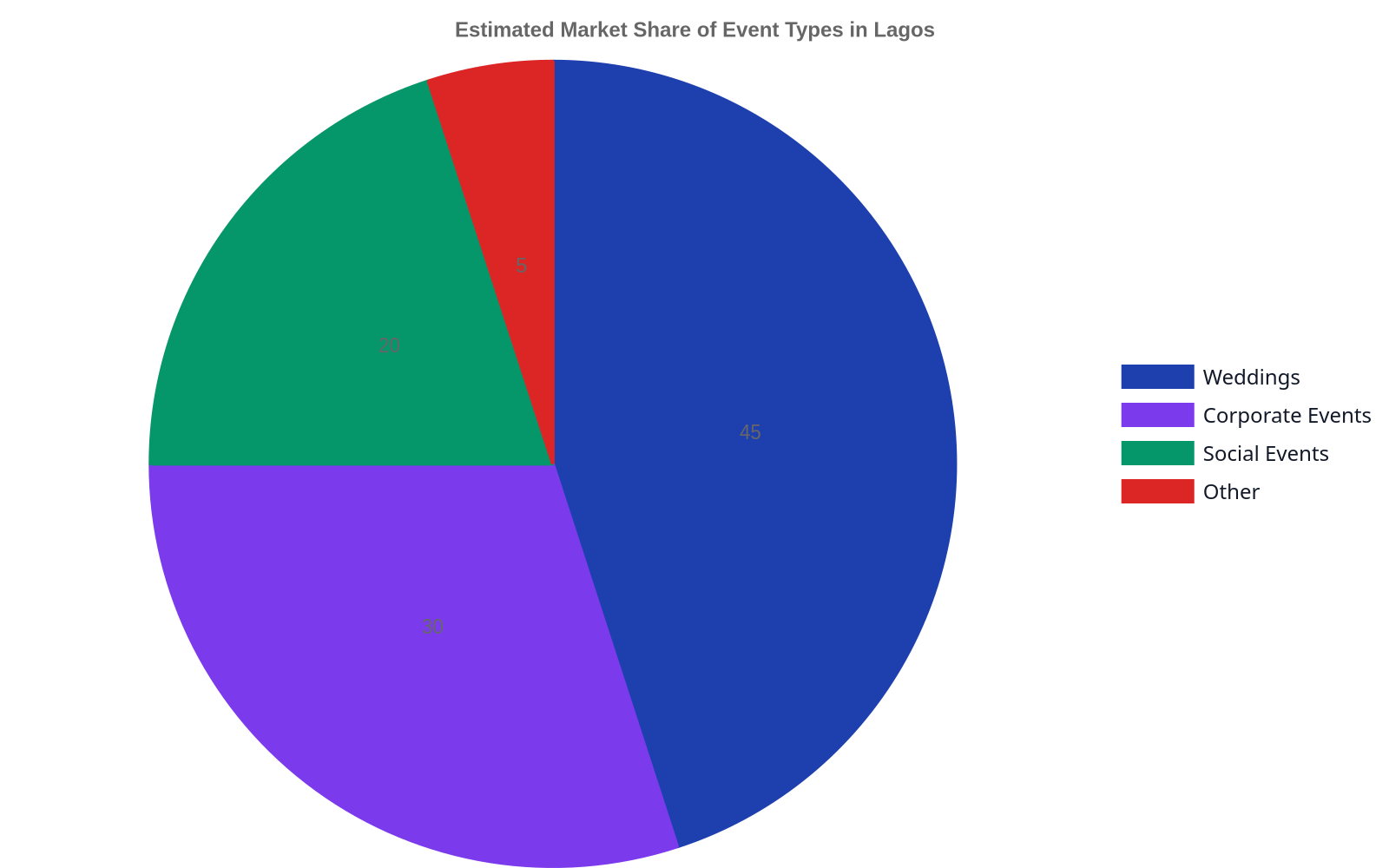
The Lagos event scene is vibrant and unique. While global principles of planning apply, success here demands a deep understanding of the local culture, logistics, and social fabric. It is a market driven by significant life events and a thriving corporate sector.
Weddings, Corporate, and “Owambe”: The Big Three
The majority of large-scale events in Lagos fall into three categories. Weddings are a massive industry, often multi-day affairs blending tradition and modern luxury. Corporate Events, from product launches and conferences to end-of-year parties, are a staple for the city’s commercial hubs. Then there are the “Owambe” parties—a catch-all for large, lavish social gatherings celebrating birthdays, anniversaries, and more. Each has its own etiquette, expectations, and vendor requirements.
A planner’s value in Lagos isn’t just their contact list; it’s their ability to anticipate the specific cultural and logistical friction points that don’t show up in any textbook.
How Local Expertise Makes or Breaks an Event
A planner with deep Lagos experience brings indispensable knowledge. They know which routes to tell vendors to take to avoid Lekki-Epe Expressway traffic at 4 PM on a Friday. They have personal relationships with managers at top venues, which can be invaluable. A 2022 report by the Event Industry Forum highlights that strong supplier relationships are a key driver of event success, and this is doubly true in a relationship-driven market like Lagos.
A Practical Checklist for Hiring Your Event Planner
Choosing the right planner is the single most important decision you’ll make for your event. This checklist helps you vet candidates systematically.
- Review Their Portfolio: Don’t just look at the pretty pictures. Look for events similar in size and style to yours. Do they have experience with 500+ guest weddings or intimate corporate events?
- Verify Their Experience and Specialisation: How long have they been in business? Do they specialise in a certain type of event? A wedding specialist might not be the best fit for a tech conference.
- Interview at Least Three Planners: This is a crucial working relationship. You need to find someone whose communication style and personality mesh with yours. Ask them how they would handle a hypothetical crisis.
- Check References: Talk to their past clients. Ask specific questions: How did they handle budget tracking? How did they respond under pressure? Were there any surprises?
- Understand Their Process: Ask them to walk you through their planning process. A professional will have a structured system, from initial consultation to post-event debrief.
- Request a Proposal: The proposal should clearly outline the scope of services, what is included, what costs extra, and the payment schedule. A vague proposal is a red flag.
- Clarify Their Vendor Network: Do they have a preferred list of vendors? Are you required to use them? Some planners receive commissions, which should be disclosed for transparency, as noted by the Event Planner Association.
Understanding the Event Planning Process

While every event is unique, the journey from idea to execution follows a reliable path. A professional planner guides you through these five key phases, providing structure and clarity.
- Phase 1: Consultation & Vision: This is the foundation. The planner works with you to understand your goals, guest profile, desired atmosphere, and non-negotiables. It’s about translating a feeling or an objective into a concrete event concept.
- Phase 2: Concept & Budgeting: The planner develops a detailed concept, including a mood board and a preliminary budget. This is where the vision is tested against financial reality. An experienced planner knows the market rates in Lagos and can build a realistic budget that aligns with your priorities, preventing surprises later.
- Phase 3: Vendor Selection & Contracting: The planner presents you with a curated list of vendors that fit your budget and style. They schedule meetings, review quotes, and negotiate contracts on your behalf.
- Phase 4: Detailed Planning & Coordination: This is the longest phase. The planner manages all the moving parts—creating the master timeline, coordinating vendor arrivals, designing the floor plan, managing the guest list, and holding regular check-in meetings with you.
- Phase 5: On-Site Execution & Post-Event Wrap-up: On the day, the planner is the on-site director. They manage setup, cue transitions, handle any and all problems, and ensure the event flows smoothly. Afterward, they manage final payments to vendors and conduct a post-event review with you.
Comparing Planner Service Tiers
Understanding the specific deliverables for each service level is key to choosing the right one. A full-service package is comprehensive, while a day-of coordinator focuses purely on execution.
| Feature / Task | Day-Of Coordination | Partial Planning | Full-Service Planning |
|---|---|---|---|
| Initial Budget Creation | No | No | Yes |
| Venue Selection Assistance | No | No | Yes |
| Vendor Recommendation | Limited | Yes | Yes |
| Vendor Contract Negotiation | No | No | Yes |
| Attendance at Vendor Meetings | No | Some | Yes |
| Timeline Creation | Yes | Yes | Yes |
| Vendor Management (Pre-Event) | Final weeks only | Yes | Yes |
| On-Site Management & Execution | Yes | Yes | Yes |
| Post-Event Wrap-Up | No | Limited | Yes |
Key Metrics for Event Planning Success
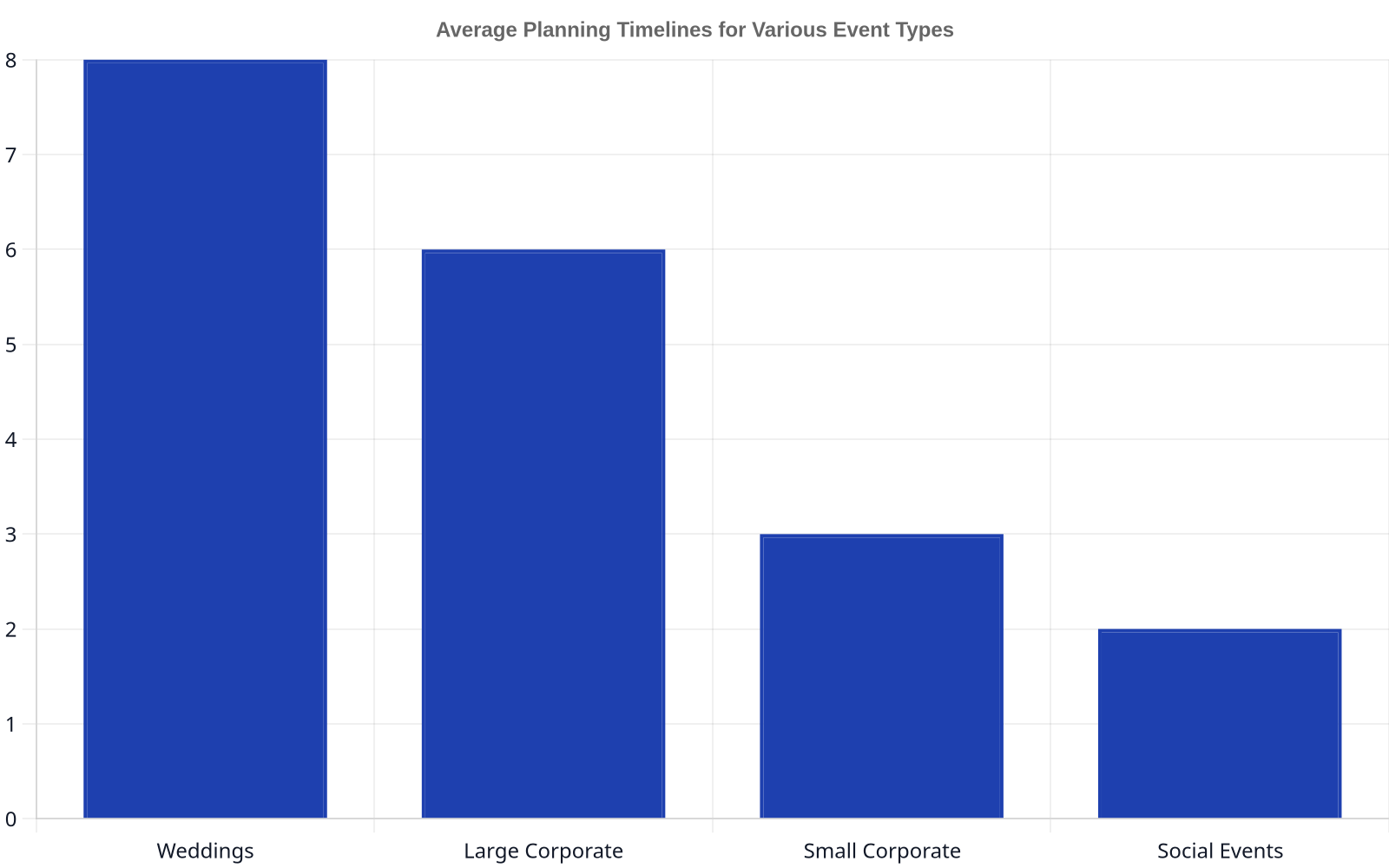
Beyond happy guests, a professionally planned event delivers on specific, measurable metrics. The two most critical are staying on budget and adhering to the timeline. This is where a planner’s real return on investment becomes clear.
Budgeting for Event Planning Services in Lagos
Planner fees in Lagos are typically structured in one of two ways: a flat fee, or a percentage of the total event budget (often 10-20%). For a wedding with a total budget of ₦15,000,000, a planner’s fee might range from ₦1,500,000 to ₦3,000,000. While this seems substantial, a good planner often saves you more than their fee through negotiated vendor discounts, avoiding costly mistakes, and efficient budget management. The cost is not just for labour; it’s for access to a network and years of expertise. Some venues, understanding this value, may offer in-house Event Planning Assistance to help clients streamline the process.
Common Challenges and How Professionals Solve Them
Events are magnets for unforeseen problems. A planner’s job is to solve them before you even know they exist.
- Challenge: A key supplier backs out. Solution: The planner immediately taps into their network to find a vetted, reliable replacement, often calling in a favor.
- Challenge: The guest count unexpectedly swells, straining the budget. Solution: The planner identifies areas where costs can be trimmed without impacting guest experience—perhaps simplifying floral arrangements to afford more food.
- Challenge: Bad weather threatens an outdoor component. Solution: The contingency plan (e.g., a tent, or moving indoors to our expansive outdoor & indoor event spaces) is activated seamlessly.
The Future of Event Planning: Trends and Innovations
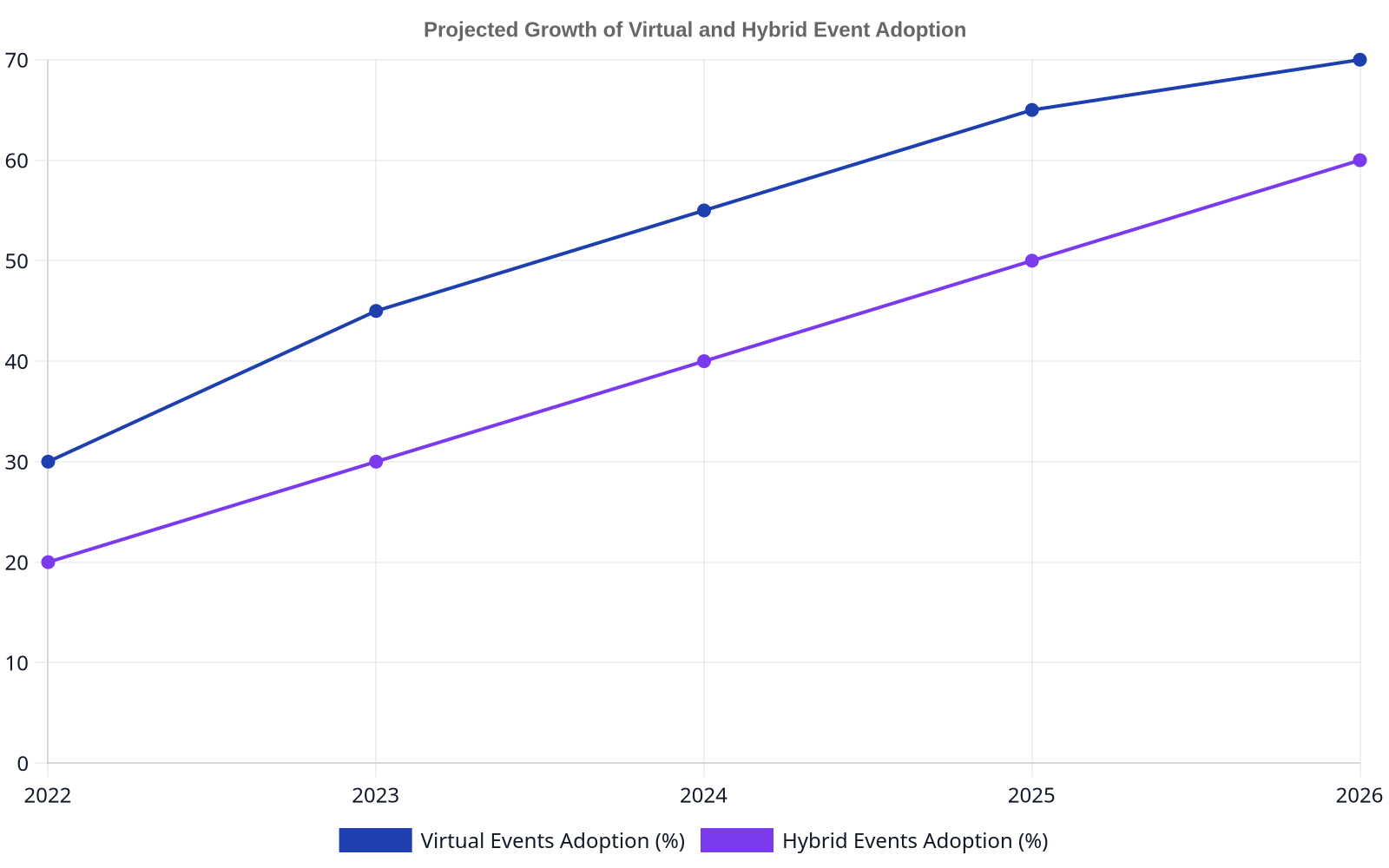
The industry is constantly evolving, driven by new technologies and changing social values. A forward-thinking planner doesn’t just follow trends; they understand how to integrate them meaningfully.
You don’t hire an event planner for what you expect to go right. You hire them for everything you can’t imagine going wrong.
Sustainable and Eco-Friendly Events in Nigeria
Sustainability is becoming a priority for clients worldwide, and Lagos is no exception. This goes beyond just avoiding plastic straws. Planners can implement eco-friendly practices by:
- Sourcing food from local suppliers to reduce food miles.
- Working with decorators who use reusable or recyclable materials.
- Minimizing paper waste through digital invitations and signage.
- Implementing effective waste sorting for composting and recycling post-event.
Adopting these practices is not only responsible but also appeals to a growing segment of socially-conscious guests and corporate clients. Resources like the Sustainable Event Alliance provide frameworks and standards for greener events.
Technology’s Role: Hybrid Events and Event Apps
Technology is reshaping the guest experience. The rise of hybrid events, which combine a live audience with a virtual one, has become a permanent fixture. According to a Markletic report on event marketing, 91% of event organizers have seen a positive ROI from virtual events. Planners now need technical producers on their teams who can manage live streams, virtual attendee engagement, and digital platforms. Event-specific mobile apps are also becoming standard for large conferences and even weddings, housing schedules, maps, and networking tools in one place.
Further reading
- Top 17 Event Planners In Birmingham
- Corporate Event Planning, Birmingham, AL | Full Coordination
- Event Planning & Management Services in Birmingham AL
Frequently Asked Questions
How much do event planners in Lagos charge?
Event planners in Lagos typically charge either a percentage of the total event budget (usually 10-20%) or a flat fee based on the event’s complexity and the level of service required. For a major event, this could range from several hundred thousand to millions of Naira. Always get a detailed proposal.
What’s the difference between a venue coordinator and an event planner?
A venue coordinator works for the venue. Their job is to manage everything related to the venue itself—access, facilities, in-house staff. An event planner works for you. They manage all aspects of your event, including all vendors, your budget, your timeline, and the overall vision, regardless of the venue.
How far in advance should I book an event planner?
For large events like a wedding or a multi-day conference, it is best to book a planner 12-18 months in advance. For smaller events, 4-6 months may be sufficient. The best planners are booked far ahead, so the earlier you start, the better your options will be.
Can I hire a planner for a small private party?
Absolutely. Many planners offer services for smaller events, from milestone birthdays to intimate dinners. They can scale their services to fit the scope and budget, often saving you stress and time that is well worth the investment. Some even offer consultation sessions to help you get started if you plan to manage most of it yourself.
Organising a significant event in a city like Lagos is a high-stakes, high-stress endeavor. Engaging professional event planning services is not a luxury; it’s an investment in efficiency, security, and peace of mind. A great planner allows you to experience your own event as a guest, confident that every detail is being managed to perfection. Ready to see what that feels like? Let’s talk.