Don’t Hire an “Event Planner.” Hire a Specialist.
“Event planner” is a uselessly broad job title. Hiring a corporate planner for your wedding is like asking a cardiologist to perform brain surgery. Both are doctors, but you wouldn’t be happy with the outcome. The core skills, contacts, and key performance indicators for different event types are fundamentally distinct. The various types of event planning are not just different services; they are different professions that require specialized expertise in areas like corporate ROI, social dynamics, or non-profit fundraising.
This article breaks down the major specializations in event planning. We aren’t ranking them, but categorizing them by their primary goal and the client they serve. For each type, we will detail what the planner does, who it’s best for, what to watch out for, and a key statistic to understand the field. This guide will help you identify and hire the right expert for your specific needs, ensuring your event in Lagos isn’t just an expense, but a strategic success.
Corporate Event Planning
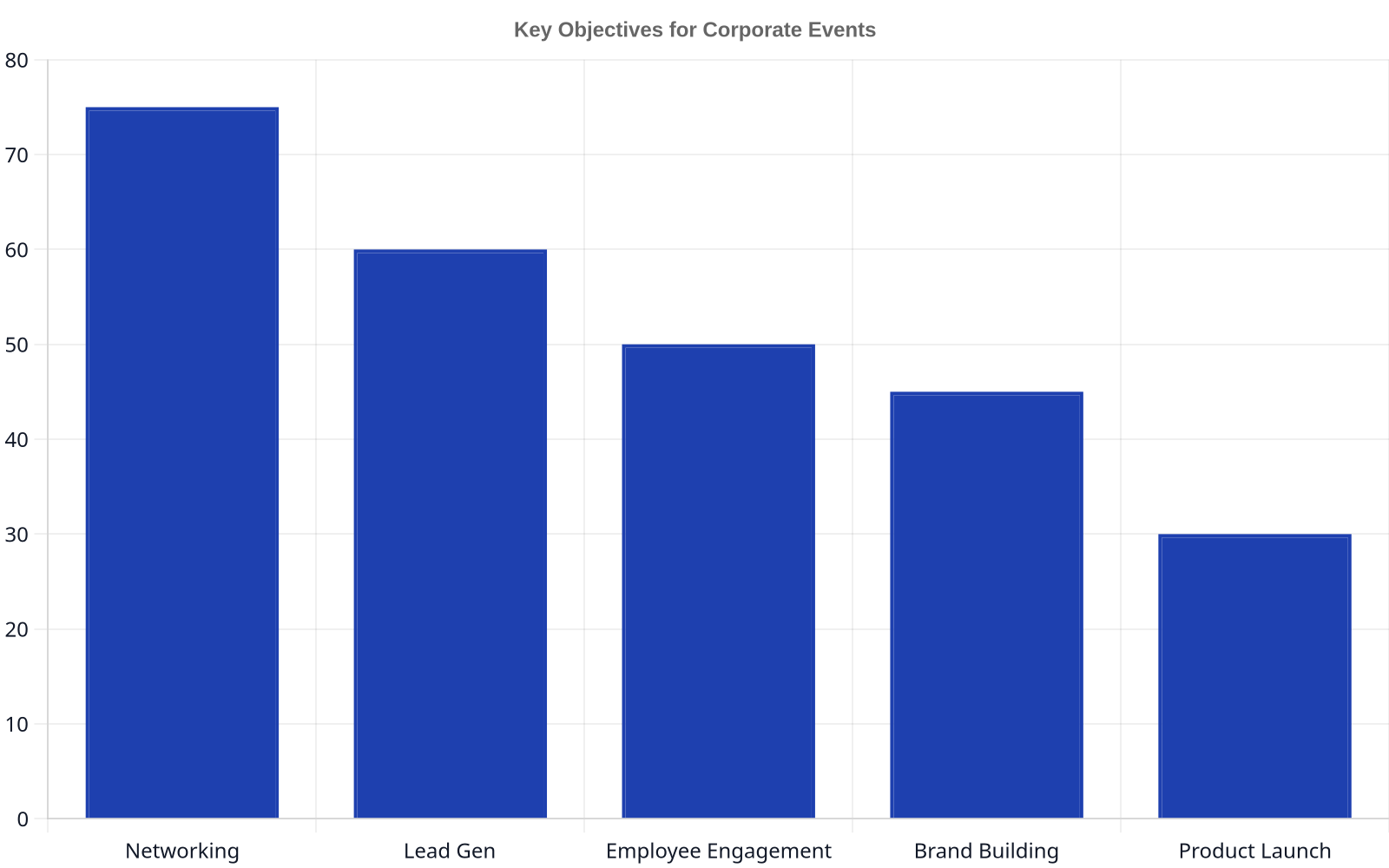
Corporate event planning is about achieving business objectives. The guest experience is important, but it serves a higher purpose: lead generation, brand awareness, employee training, or celebrating company milestones. A corporate planner is a business strategist first and a party planner second. They understand things like cost-per-acquisition, return on investment (ROI), and how to structure an event to facilitate high-value networking. They handle conferences, product launches, trade shows, sales kick-offs, and executive retreats.
In Lagos, a top corporate planner’s real value is in their logistics and protocol management. They have a network of reliable vendors who understand corporate standards—from audio-visual technicians who can handle hybrid virtual/in-person setups to caterers who can serve 800 guests without a hitch. We regularly host corporate events and see firsthand that success is measured in new business deals closed and employee morale boosted, not just in how good the jollof rice was. A 85% of leaders and executives identify in-person events as critical for their company’s success, underscoring their strategic business value.
- Best for: Businesses aiming to generate leads, build their brand, train employees, or improve company culture.
- Watch out for: Planners who focus only on aesthetics and can’t articulate how the event will support your business goals. Ask for case studies with measurable results.
Wedding Planning
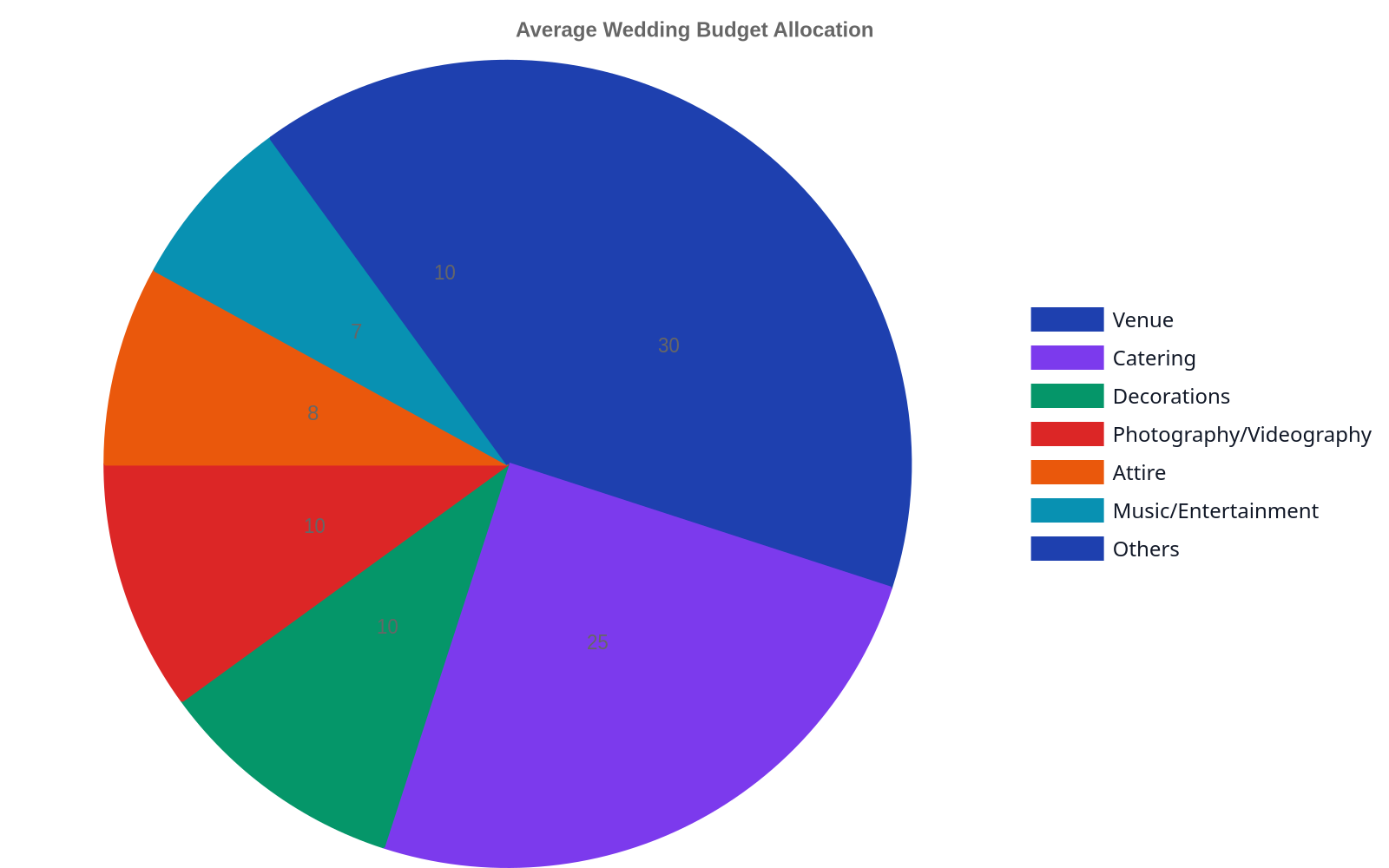
Wedding planning is perhaps the most personal and emotionally charged discipline in the event world. A wedding planner is a project manager, a budget analyst, a therapist, and a creative director rolled into one. Their job is to translate a couple’s vision into a flawless reality, managing dozens of vendors, complex family dynamics, and a rigid timeline. From selecting the perfect venue to coordinating the day-of schedule, their success is measured by the couple’s joy and the guests’ experience.
Here in Nigeria, wedding planning carries unique cultural weight and complexity. It often involves coordinating traditional ceremonies with modern receptions, managing large guest lists, and navigating expectations from extended family. A great planner for a Lagos wedding understands this implicitly. They know which caterers are masters of traditional dishes, how to manage traffic and parking for 700 guests, and why having both outdoor and indoor venues is critical for unpredictable weather. According to a study by The Knot, the average wedding has around 105 guests, but Nigerian weddings often far exceed this, making experienced large-scale coordination essential.
A great event planner doesn’t just book vendors; they conduct an orchestra. Every player—catering, decor, music, lighting—has to perform their part perfectly and in sync.
- Best for: Couples who want a stress-free engagement and a perfectly executed wedding day that reflects their personal style.
- Watch out for: Planners who push their own vision over yours or who don’t have a strong portfolio of weddings similar in size and style to what you want.
Social Event Planning
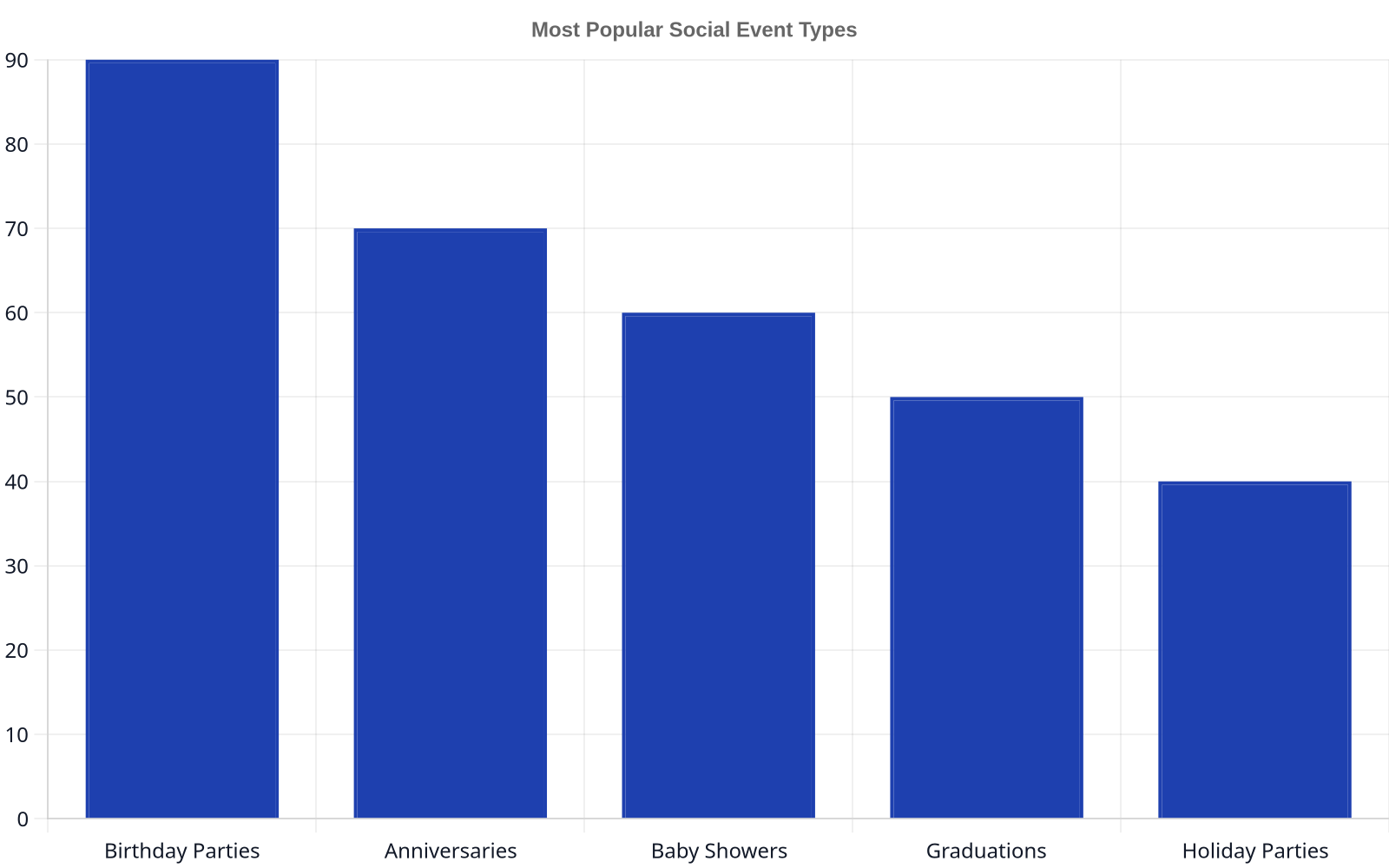
Social event planning covers the wide world of personal celebrations: landmark birthdays, anniversaries, christenings, housewarmings, and high-end private dinners. While less formal than a corporate event and less logistically massive than a wedding, a social event planner focuses on creating a specific atmosphere and a memorable guest experience. They are experts in hospitality, managing everything from bespoke invitations and custom menus to entertainment and decor that makes a statement.
For private parties, the planner acts as the host’s deputy, ensuring every detail is taken care of so the client can relax and enjoy their own celebration. In a city like Lagos, this could mean arranging a surprise 50th birthday party with a live band or an intimate anniversary dinner with a private chef. The planner’s value is in their creativity and their black book of contacts. They know the best DJs, the most creative bakers, and how to add those “wow” factors that get talked about for years. A great planner can help you throw a better party than you ever could on your own, thinking through things like guest flow and lighting that are often overlooked.
- Best for: Individuals hosting a significant personal celebration who want a unique, polished, and stress-free event.
- Watch out for: Planners who use a one-size-fits-all approach. A great social planner will take the time to understand the guest of honor’s personality and design the event around them.
Non-Profit and Fundraising Event Planning
Planning for non-profits and charities is a specialized skill that balances mission with budget. The primary goal of these events—galas, charity auctions, awareness campaigns, and community drives—is not just to create a great experience, but to maximize donations and deepen donor relationships. A non-profit planner is a master of resourcefulness, skilled at securing sponsorships, managing volunteers, and inspiring generosity.
Every Naira spent on the event is a Naira not going to the cause, so ROI is scrutinized even more heavily than in the corporate world. These planners are experts at creating emotionally compelling programs that connect attendees to the mission. They understand the legal requirements for fundraising and how to publicly acknowledge donors effectively. events are a major source of funding, with peer-to-peer fundraising, often event-based, accounting for 30% of all online donations. A planner in this space knows how to turn an evening into a powerful fundraising engine.
- Best for: Charities, NGOs, schools, and community organizations that need to raise funds, attract new donors, and raise public awareness for their cause.
- Watch out for: Planners who have only corporate experience. They may overspend on flashy elements that don’t translate into higher donations and may not understand the unique motivations of a non-profit audience.
Festival and Large-Scale Public Event Planning
This is the world of logistics on a massive scale. Planning a music festival, a city-wide celebration, a marathon, or a major public holiday event is an exercise in crowd control, public safety, and complex project management. These planners work with government agencies, security firms, sanitation services, and a huge roster of performers and vendors. Their work often begins more than a year in advance and involves securing permits, developing emergency response plans, and coordinating complex marketing campaigns to drive ticket sales and attendance.
Safety and security are paramount. With our capacity for 500-1000 guests, we understand the importance of managing large crowds, and it’s a fraction of what these planners handle. They need to think about everything from traffic flow on surrounding roads to having adequate medical staff on-site. For venues hosting such events, robust security infrastructure like 24/7 CCTV surveillance is not a luxury; it’s a baseline requirement. The economic impact can be huge, with a single large festival able to generate hundreds of millions of Naira for the local economy, but the risks are equally large if planning is not meticulous.
- Best for: Municipalities, large media companies, or specialized promotion groups aiming to create a major public spectacle or cultural event.
- Watch out for: Inexperience. This is not a field for beginners. Ask for specific experience with events of a similar size and complexity and ask to see their risk management plans.
Summary of Event Planning Types
| Planning Type | Primary Goal | Key Skillset | Typical Scale (Lagos) |
|---|---|---|---|
| Corporate | Business Objectives (ROI, Leads) | Strategic Thinking, Logistics, B2B Vendor Mgmt | 50 – 1000+ attendees |
| Wedding | Personal Vision Execution, Guest Experience | Emotional Intelligence, Vendor Coordination, Budgeting | 200 – 1000+ guests |
| Social | Memorable Atmosphere, Host Enjoyment | Creativity, Hospitality, High-End Vendor Network | 20 – 250 guests |
| Non-Profit | Maximize Donations, Raise Awareness | Resourcefulness, Donor Relations, Storytelling | 100 – 500+ attendees |
| Festival/Public | Public Safety, Mass Entertainment | Risk Management, Crowd Control, Public Relations | 1,000 – 50,000+ attendees |
Choosing the right type of event planning specialist is the single most important decision you’ll make after deciding to host an event. It dictates the budget, the guest experience, and ultimately, the success of your objective. Whether you need full-service coordination or simply some expert event planning assistance to guide your internal team, hiring a planner with the right specialization is critical. They bring the experience, the contacts, and the foresight that you simply can’t get from a generic checklist you found online.
At Regal Castle on Ikotun-Idimu Road, we have the versatile space and the operational expertise to support every one of these event types. Contact us to see how our venue can provide the perfect canvas for your expertly planned event.
FAQ
What is the first step in planning any event?
The absolute first step, before you even think about a venue or a date, is to define the event’s core purpose and goals. Why are you having this event? Who is it for? What specific, measurable outcome will define success? For a corporate event, it might be 100 qualified leads. For a wedding, it’s a flawless day for the couple. For a fundraiser, it’s a specific Naira amount. Everything else flows from this.
How far in advance should I book an event planner?
It depends on the type and scale. For a large wedding or a major corporate conference, you should start looking for a planner 12 to 18 months in advance. This gives them time to secure the best venues (which book up quickly in Lagos) and vendors. For smaller social parties, 3 to 6 months might be sufficient. The earlier you hire them, the more value they can provide in shaping the event from the ground up.
What’s the difference between a venue coordinator and an event planner?
This is a critical distinction. A venue coordinator works for the venue. Their job is to manage all the aspects related to the building—the facilities, the in-house catering, the security. They are an essential partner. An event planner works for you. They oversee all aspects of the event, including things the venue isn’t involved in, like guest invitations, external vendor management, programming, decor, and the overall strategic vision. You need both, and they need to work together.
How are event planners paid in Nigeria?
Payment structures vary. Some planners charge a flat fee for their services, which is agreed upon upfront. Others charge a percentage of the total event budget, typically ranging from 10% to 20%. A third model, common for consultations or partial planning, is an hourly rate. Always get the payment structure in writing before you sign a contract.
Can I plan a large event myself?
You can, but it’s a full-time job. A common mistake is underestimating the sheer volume of work involved, especially the day-of coordination. If you have a small, informal event, DIY is feasible. But for a wedding, conference, or large party with over 100 guests, the cost of a planner is often offset by the value they bring—from vendor discounts they can access to costly mistakes they help you avoid. If you’re considering it, look at a professional event planning checklist to understand the full scope of the work.