The Ultimate Event Planning Checklist for Flawless Lagos Events
Most people think an event planning checklist is a simple to-do list. They download a generic template, tick boxes, and wonder why their event feels chaotic, expensive, and disconnected from their goals. The problem isn’t the list; it’s the thinking behind it. A checklist without a strategy is just a list of chores. It won’t save you when a key vendor cancels or when guest turnout is half of what you projected.
A successful event planning checklist is not just a list of tasks but a strategic document. It must define clear goals, establish a realistic budget in Naira, select the right venue and vendors for your specific event type, manage guest logistics from RSVP to follow-up, and include robust contingency plans. To master event planning on a budget, understanding typical costs is key. This framework transforms a simple list into a roadmap for a flawless event in a bustling city like Lagos. As the Managing Director of Regal Castle Event Center, I’ve seen firsthand how a strategic approach separates forgettable gatherings from landmark occasions.
Define Your Foundation: Goals, Audience, and Theme
Before you book a single vendor or spend one Naira, you must define what success looks like. Every decision that follows—from the venue to the type of jollof rice served—flows from this foundation.
Why Vague Goals Lead to Failure
“We want to host a great event” is not a goal; it’s a wish. A goal is specific, measurable, achievable, relevant, and time-bound (SMART). Are you aiming to generate 200 new sales leads for a corporate product launch? Are you trying to raise ₦5,000,000 for a non-profit gala? Or is the goal to create a beautiful, stress-free wedding day for 500 guests? Without a clear “why,” you have no way to measure success or justify your budget.
Matching Your Theme to Your Audience
Your theme is the creative expression of your goal. A Gen Z-focused product launch might call for interactive tech installations and trendy street food, while a 60th birthday party might demand classic decor and a live band playing highlife music. Consider the demographics and expectations of your guests. A mismatch here can make your event feel tone-deaf. For corporate events, the theme should reinforce the company’s brand identity and the event’s primary message.
Budgeting and Financial Planning for Your Event
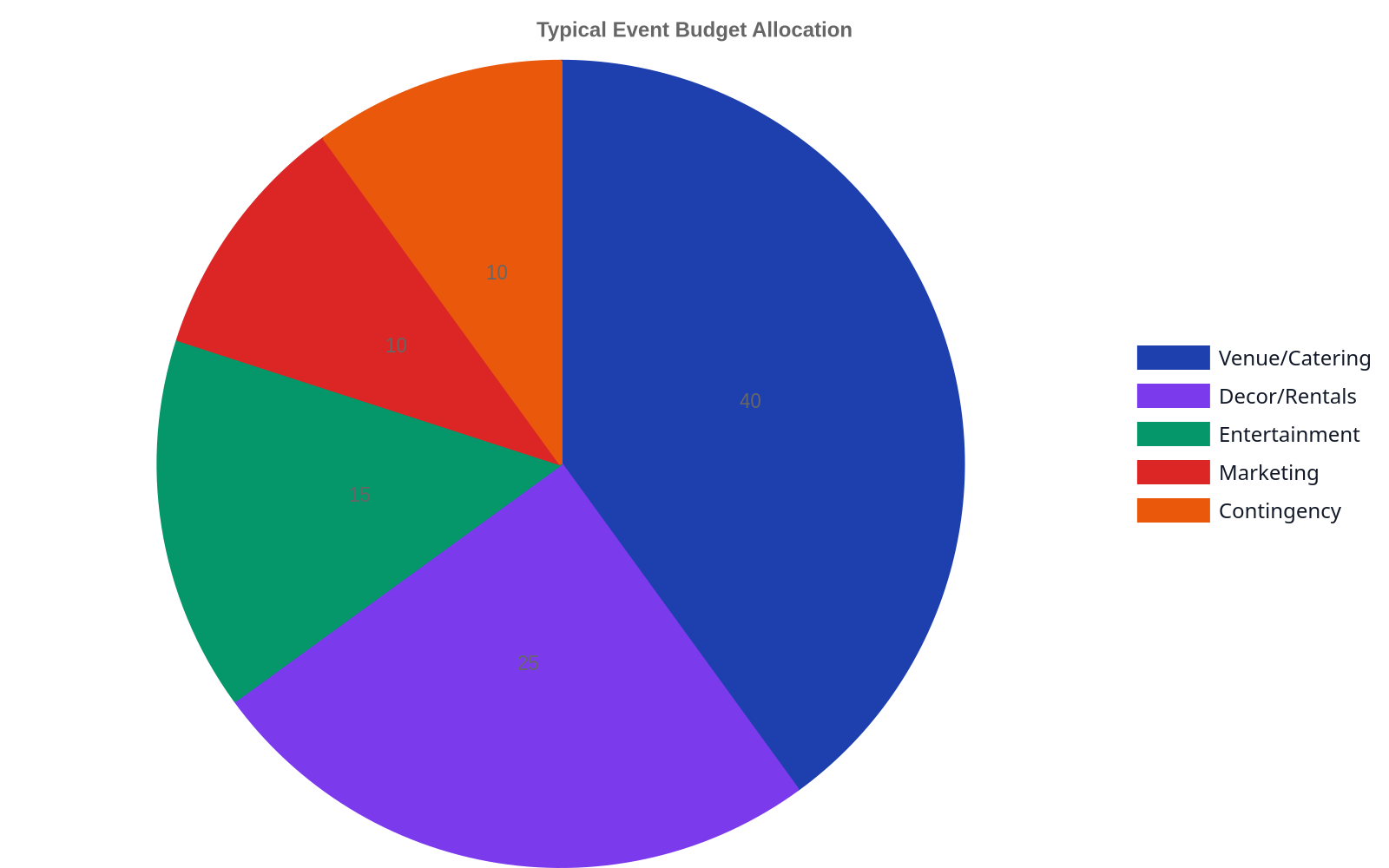
In Lagos, event costs can escalate quickly. A disciplined approach to your budget is non-negotiable. Your budget is the financial blueprint of your event, dictating the scale and quality of every element.
A Realistic Budget Breakdown in Naira
Never start with a random number. Build your budget from the bottom up. Get preliminary quotes for your big-ticket items first. A typical breakdown for a 500-person event in Lagos might look like this:
- Venue Rental: 30-40%
- Catering (Food & Drink): 25-35%
- Decor & Ambiance: 10-15%
- Entertainment (DJ/Band): 5-10%
- Staffing & Security: 5-7%
- Marketing & Invitations: 3-5%
- Contingency Fund: 10% (minimum!)
Hidden Costs Every Planner in Nigeria Forgets
First-time planners often get blindsided by costs that weren’t in the initial proposal. Always ask vendors about these potential extras:
- Generator and Diesel Costs: Don’t assume uninterrupted power. Budget for it.
- “Last Mile” Vendor Logistics: Fees for transport, setup, and breakdown.
- Security and LAWMA (Lagos Waste Management Authority) Fees: These are often mandatory for larger events.
- VAT and Service Charges: Confirm if these are included in quotes.
- Corkage Fees: If you plan to bring your own drinks, ask about the venue’s policy. At Regal Castle Event Center, we maintain vendor-friendly policies to give our clients flexibility, but it’s a crucial question to ask any venue.
The Event Planning Timeline: Key Milestones
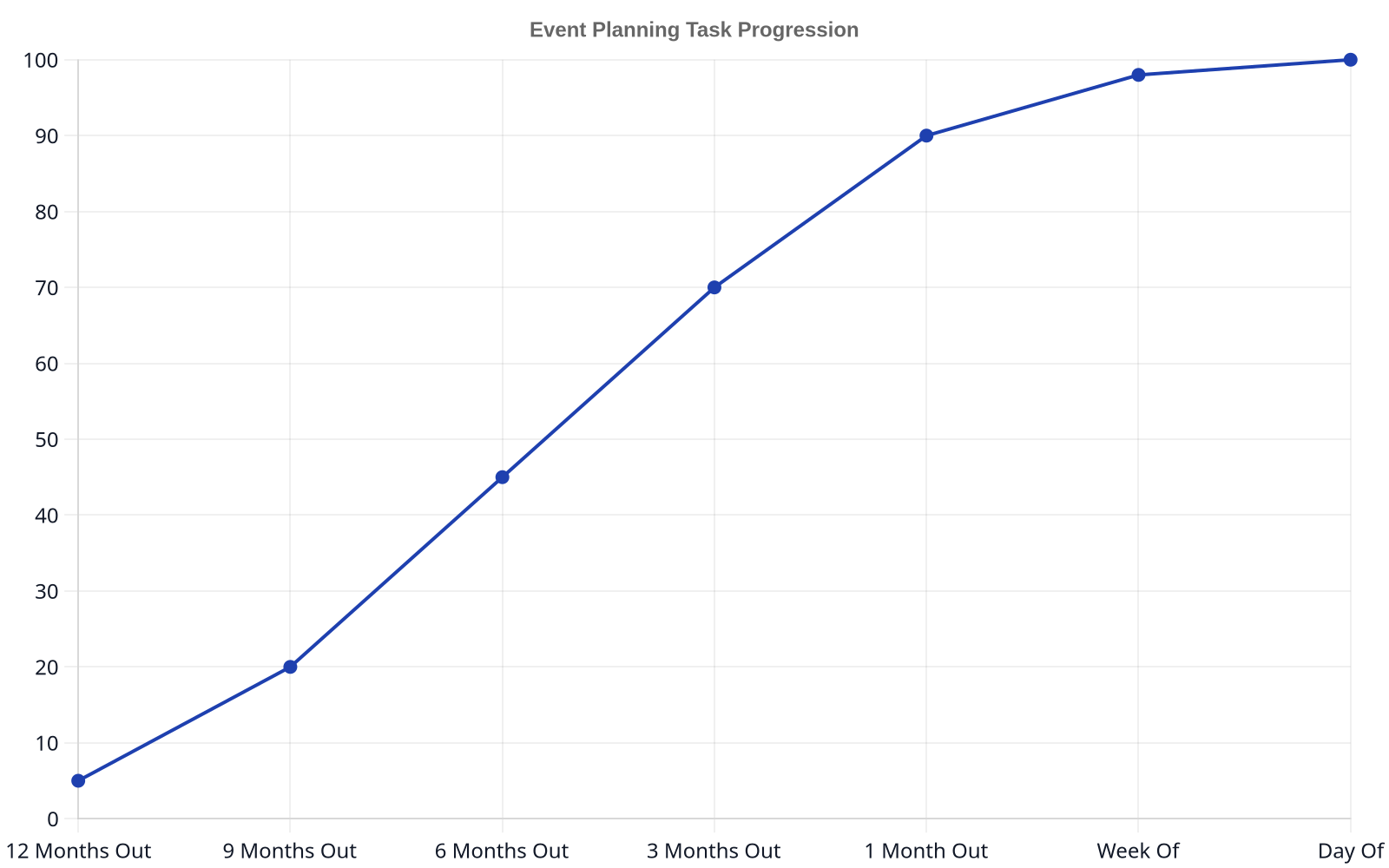
A detailed timeline is your primary project management tool. It turns your checklist into an actionable sequence, ensuring nothing is left to the last minute.
12+ Months Out: The Big Picture
For large events like weddings or conferences, planning should start a year or more in advance. This is when you book the essentials that have limited availability.
- Define goals and establish a preliminary budget.
- Select your date (and 1-2 backup dates).
- Research and book your venue. A venue like ours, with a capacity of 500-1000 guests, is often booked more than a year out for peak season dates.
- Book your event planner, if using one.
6-9 Months Out: Booking Core Vendors
With your venue secured, you can now build the rest of your event team. This is the period for securing key suppliers who will shape the guest experience.
- Finalize your guest list estimate.
- Book photographer, videographer, caterer, and decorator.
- Send out “Save the Dates” for weddings or major social events.
1-3 Months Out: Finalizing Details
This phase is about execution and confirmation. The big pieces are in place; now you manage the fine details.
- Send formal invitations.
- Finalize menu and decor choices.
- Create a detailed run-of-show (minute-by-minute schedule).
- Confirm all vendor arrival times and setup requirements.
Understanding Event Types and Their Unique Demands
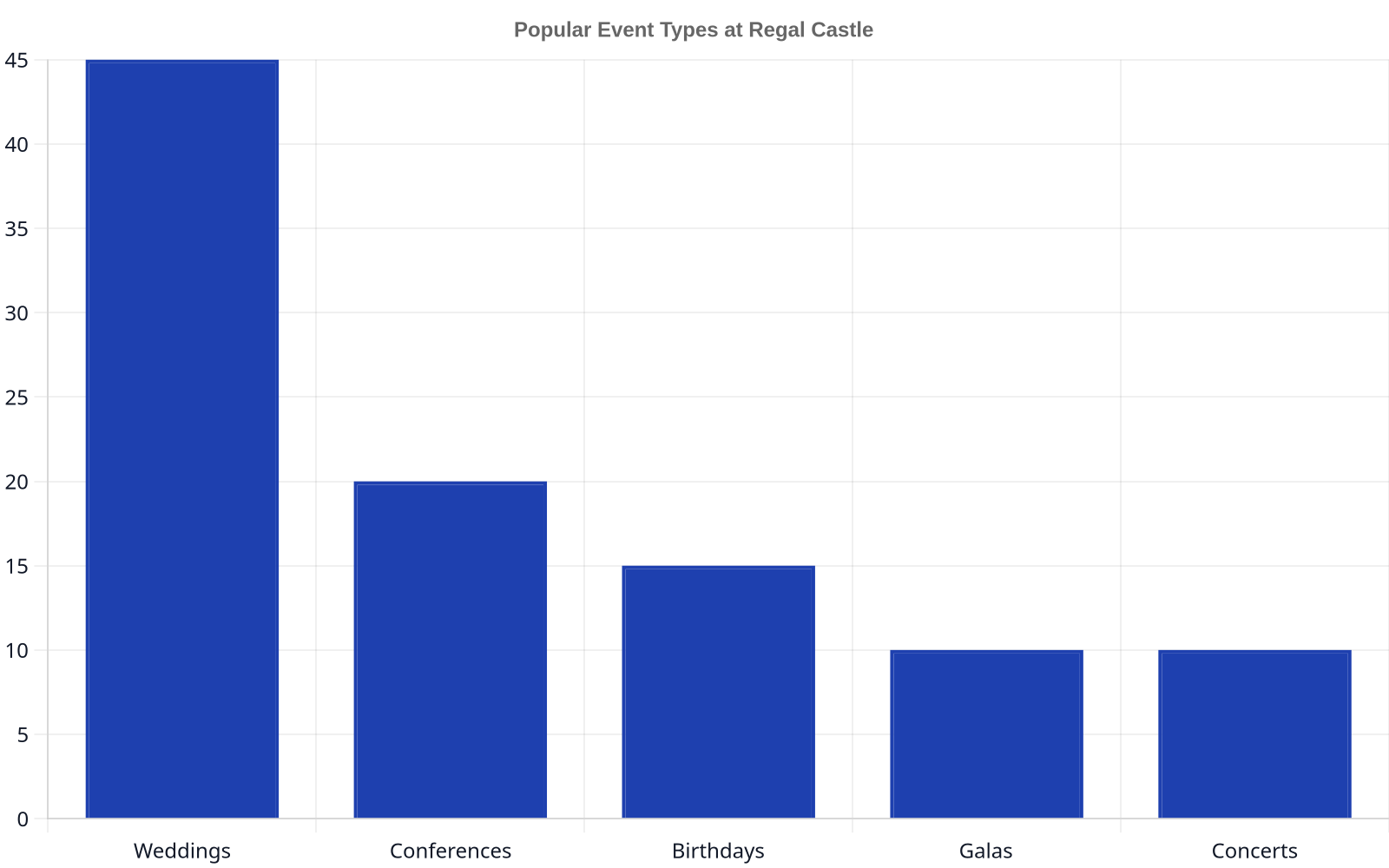
An event planning checklist cannot be one-size-fits-all. The strategy for a corporate conference is fundamentally different from that of a society wedding or a private party.
Corporate Events vs. Private Parties
Corporate events are about ROI. The focus is on brand messaging, lead generation, and professional execution. Technology integration, from registration software to hybrid streaming capabilities, is often critical. The flow must be efficient, with clear agendas and networking opportunities.
Private parties, on the other hand, are about the guest of honor and the overall guest experience. The emotional impact takes precedence. The focus is on entertainment, food, and creating a celebratory atmosphere. While professionalism matters, the vibe is personal and often more relaxed.
Weddings in Lagos: A Class of Their Own
Weddings are a unique blend of corporate-level logistics and deeply personal emotion. They often involve multiple sub-events (traditional ceremony, white wedding, reception) and require coordination between numerous family members and vendors. Guest management is paramount, and the timeline is often much longer and more complex than for other event types.
Key Considerations for Event Types
Regardless of the event, certain core considerations must be addressed. How you approach them will vary, but ignoring them is not an option. From our expansive outdoor and indoor event spaces on Ikotun-Idimu Road, we see clients successfully navigate these pillars by tailoring them to their specific occasion.
Sustainability in Event Planning
Modern event planning must include a consideration for environmental impact. This isn’t just a trend; it’s becoming an expectation for corporate clients and conscientious private hosts. Simple steps include minimizing single-use plastics, donating leftover food through certified organizations, and opting for digital invitations. According to the Events Industry Council, sustainable practices can also lead to cost savings and enhanced brand reputation.
Leveraging Technology
Beyond a simple registration form, technology can transform your event. Use event management software like Zkipster or Eventbrite for ticketing and guest list management. For engagement, consider live polling apps or a dedicated event app. AI tools are emerging that can help analyze guest data to personalize the experience. As noted by event-tech experts, a smart tech stack can dramatically improve operational efficiency and attendee satisfaction.
Vendor Selection: Building Your Event Dream Team
Your vendors are the team that will execute your vision. Choosing them wisely is one of the most important parts of your event planning checklist.
A great venue doesn’t just provide space. It acts as the operational hub, a central partner that makes every other vendor’s job easier.
When selecting a venue, look beyond the aesthetics. Does it have adequate parking? What is the power situation? Is there an on-site manager you can rely on? Our location in Lagos was chosen specifically to provide easy access while offering the space to accommodate large-scale events without compromise.
In-House vs. External Vendors
Many venues offer in-house services or a list of preferred vendors. Others allow you to bring in anyone you choose. There are distinct advantages to each approach.
| Feature | In-House / Preferred Vendors | External Vendors |
|---|---|---|
| Coordination | Simpler. Vendors know the venue’s rules and layout. | Requires more coordination from you or your planner. |
| Cost | Often bundled, can be less expensive due to volume. | May offer more competitive pricing if you can negotiate. |
| Choice | Limited to the venue’s list. | Unlimited choice to fit your specific taste and budget. |
| Quality | Vetted by the venue, usually reliable. | Quality varies. Requires thorough vetting on your part. |
| Contracts | Often integrated into the main venue contract. | Separate contracts and payment schedules for each vendor. |
The Importance of Contracts
Never work with a vendor on a handshake. A contract protects both you and the vendor. It should clearly state the services provided, total cost, payment schedule, and cancellation policy. Read it carefully before signing. This is a critical legal and insurance step many overlook.
The Day-Of Event Checklist: Ensuring Smooth Execution
No matter how well you plan, the event day has its own energy. A day-of checklist, often called a “run-of-show,” is your script for success.
Staffing Roles and Responsibilities
Everyone on the event team, from the security guard at the gate to the waiter serving drinks, should have a clear role. Create a contact sheet with the names and phone numbers of all key personnel and share it with your core team. A pre-event briefing is essential to ensure everyone is aligned.
Your Minute-by-Minute Run of Show
This document schedules everything. It includes vendor arrival times, sound checks, when speeches will happen, when food will be served, and when the DJ starts their set. It is the single source of truth for the event’s flow. Distribute it to the venue manager, your MC, and your lead vendors.
Contingency Planning: What to Do When “Plan A” Fails
Something will go wrong. It might be small (a speaker is late) or large (a sudden downpour during an outdoor ceremony). The key is not to panic but to have a plan. This is where a strategic checklist truly proves its worth. For critical functions, having a backup plan is not optional, it’s essential. The U.S. government’s FEMA even provides guides for planning large-scale public events, a testament to the importance of contingency.
Your event’s success isn’t defined by a perfect plan, but by how well you react when that plan breaks. A 10% contingency budget and a backup for every critical element are your best insurance.
A simple contingency response process looks like this:
- Identify the Problem: Get clear, firsthand information on what has happened.
- Assess the Impact: How does this affect the guest experience or the event goals?
- Consult Key Stakeholders: Inform the client, venue manager, and relevant vendors immediately.
- Deploy Backup Plan: Activate the pre-planned solution (e.g., move indoors, switch to the backup generator, use the alternate speaker).
- Communicate: Inform guests or staff as needed, calmly and clearly.
Post-Event Actions: The Work Isn’t Over
The event ends, but your checklist does not. Proper follow-up ensures you capture value, maintain relationships, and learn for the future.
Gathering Feedback
Send a thank-you note to all attendees with a short, simple survey. Ask what they enjoyed most and what could be improved. For corporate events, this is a crucial touchpoint for following up on leads. Monitor social media for mentions of your event hashtag.
Financial Reconciliation
Review all invoices against your contracts and budget. Make final payments to all your vendors promptly. A good reputation for paying on time will make vendors eager to work with you again. According to the Project Management Institute, closing procurements and financials is a key part of any project’s closing phase.
Analyzing ROI
Circle back to the goals you set in the very first step. Did you achieve them? Calculate the final cost per guest or cost per lead. Document your successes, challenges, and key learnings in a post-event report. This document will be the starting point for your next successful event.
Further reading
- Pre-Planning Checklist | Event Planning Guide | UT Dallas
- The Ultimate Event Planning Checklist (with Free …
- A 21-step event planning checklist that covers every detail
Frequently Asked Questions
How far in advance should I book a venue in Lagos?
For popular venues in Lagos, especially for a Saturday wedding, you should book 12 to 18 months in advance. For corporate events on weekdays or smaller private parties, 6 to 9 months may be sufficient. The earlier, the better to secure your preferred date.
What is the biggest hidden cost in event planning in Nigeria?
The most commonly overlooked cost is power. Many planners assume stable electricity, but you must budget for renting a high-capacity generator and the diesel to run it for the entire duration of your event, including setup and breakdown.
Can I use my own vendors at a venue?
This depends entirely on the venue’s policy. Some have exclusive in-house vendors, others have a preferred list, and some, like Regal Castle Event Center, offer vendor-friendly policies that give you more flexibility. Always ask about the corkage policy for drinks and the rules for outside caterers or decorators before you book.
How do I handle security for a large event in Lagos?
Do not underestimate security. Hire a professional and reputable security company. Depending on your event size and guest profile, you may need bouncers at the entrance, security personnel monitoring the perimeter, and traffic controllers for parking. Our facility includes 24/7 CCTV surveillance, but for a large event, a dedicated security team is essential.
Planning an event can feel overwhelming, but a strategic, detailed checklist turns a mountain of tasks into a manageable process. If you’re ready to start planning your next event in Lagos, our team at Regal Castle Event Center is here to help. We offer event planning assistance to ensure every detail is covered. Contact us on 09165021815 to learn more about our spaces and how we can bring your vision to life.