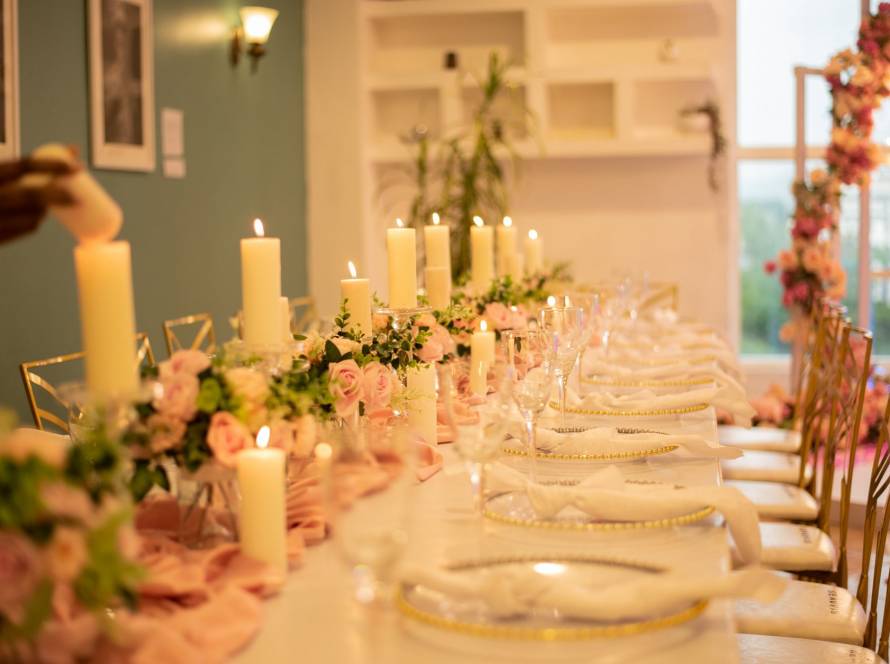
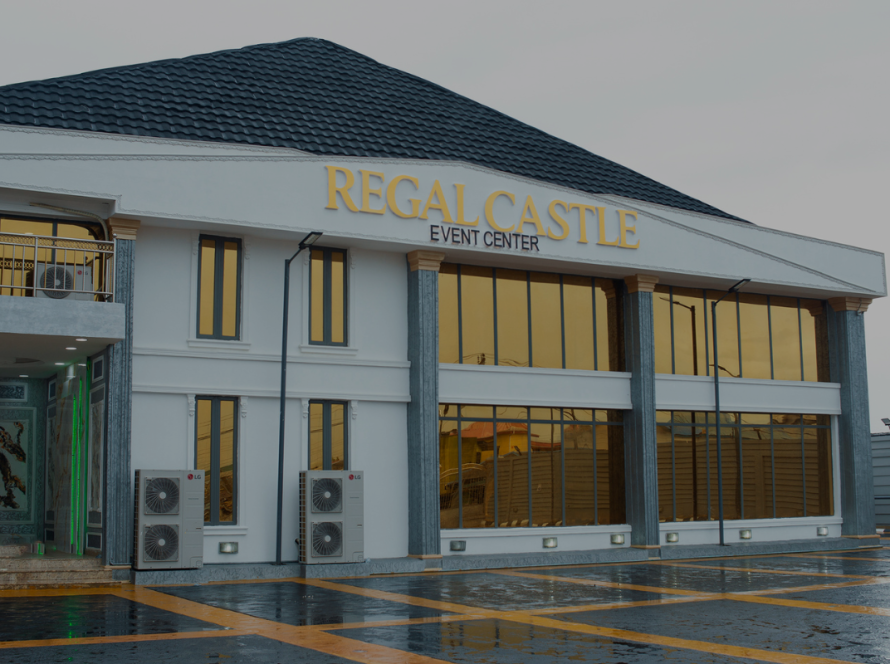
Beyond Four Walls: A Practical Guide to Choosing Event Venues in Lagos
Stop thinking about your event venue as just a space. The right venue is the foundational partner for your entire event, dictating everything from guest experience to your final budget. Choosing the best event venues in Lagos requires looking beyond capacity and price to assess aesthetic flexibility, vendor policies, and the true, all-in cost in Naira. The goal is to find a canvas that enhances your vision, not a container that limits it, ensuring the location works for you, not against you.
Methodology: How We’re Analyzing Lagos Event Venues
To give you a practical framework, we’re not just listing random places. This guide categorizes event venues based on the factors that actually matter to event hosts in Nigeria. We analyzed each venue type against four core criteria: aesthetic potential (how much you can customize the look and feel), typical capacity ranges, all-in cost implications (from rental fees to hidden charges, in Naira), and operational flexibility, including policies on outside vendors and on-site support.
Types of Event Venues and Their Specialties
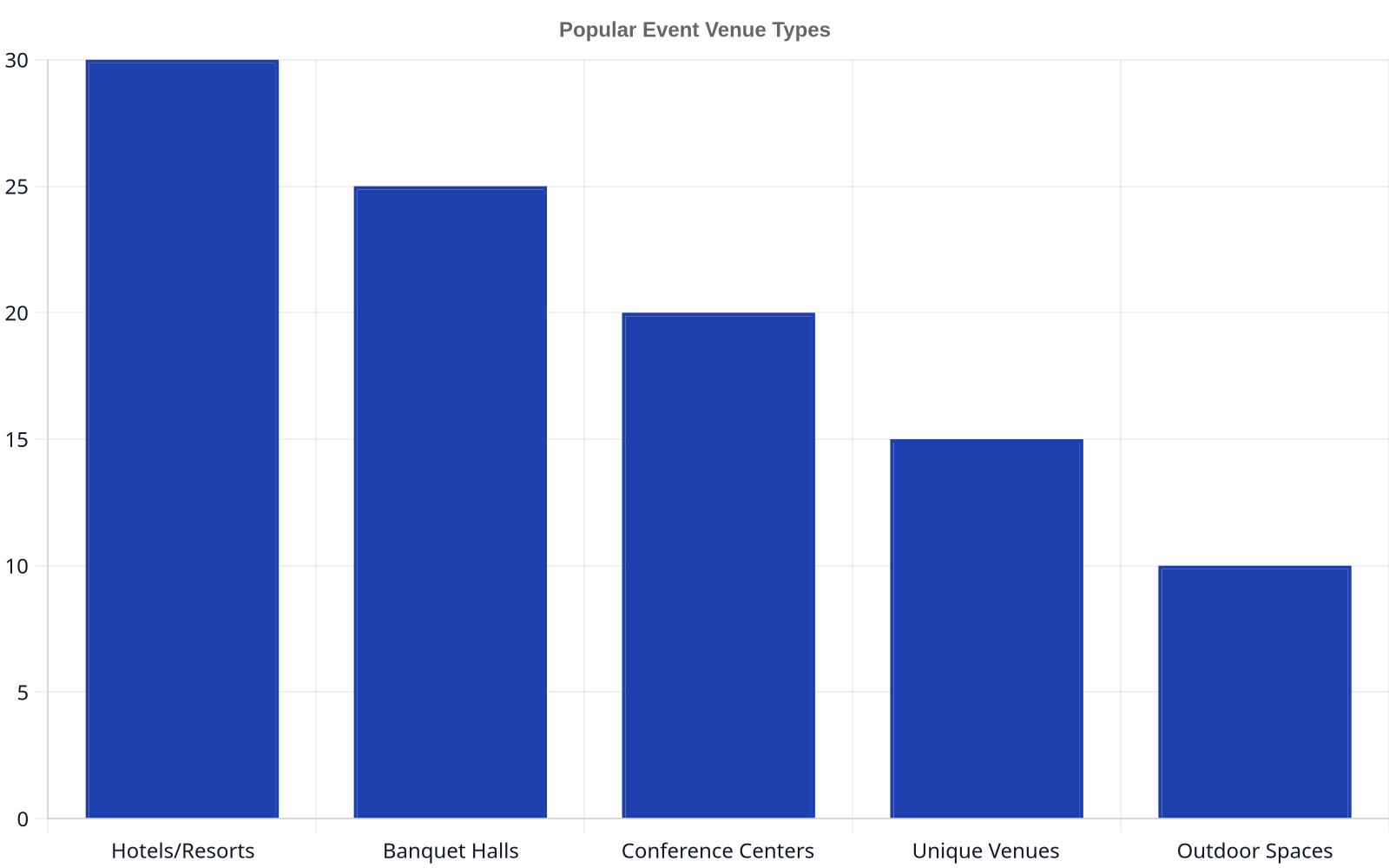
The term “event venue” covers everything from a purpose-built hall to a patch of scenic land. Each type serves a different purpose, budget, and vision. Understanding the fundamental differences is the first step to narrowing your search.
The Dedicated Banquet Hall / Event Centre
These are facilities built specifically for hosting large gatherings. Think of them as a “blank slate” ready for transformation. Their primary business is running events, so the layouts are typically optimized for guest flow, catering access, and vendor load-ins. At Regal Castle, our main hall is designed for this very purpose, comfortably accommodating between 500 and 1,000 guests depending on the seating arrangement, making it ideal for the grand-scale celebrations popular in Lagos.
These venues are masters of scale. According to a report from the Project Management Institute, 35% of event professionals cite a limited budget as a top challenge, and a dedicated hall often provides the most cost-effective solution for large guest counts without sacrificing core amenities.
- Best for: Large weddings, corporate awards nights, milestone anniversary or birthday parties, and religious gatherings.
- Watch out for: Be sure to understand the decor policies. A true “blank slate” needs a vision and a budget for decoration to bring it to life. Ask for a full cost breakdown to avoid surprises.
Hotel Ballrooms
A hotel offers the powerful advantage of integrated services. You get the event space, accommodation, in-house catering, and often a baseline of technical equipment (sound systems, projectors) all under one roof. This is incredibly efficient for multi-day conferences or weddings with many out-of-town guests.
The trade-off is often a loss of flexibility. Hotels usually require you to use their catering and may have stricter rules on decor and branding to maintain their corporate standards. Their pricing structure can also be complex, bundling services that you may not need.
- Best for: Corporate conferences, business meetings, and destination weddings.
- Watch out for: Inflexible vendor policies and a “corporate” feel that might not suit a more personal event. Catering and beverage costs can be significantly higher than sourcing externally.
A venue isn’t just a location you rent. It’s an operational partner. Their policies, staff, and flexibility have more impact on your event’s success than the colour of the walls.
Unique and Unconventional Spaces
This category includes art galleries, historic buildings, modern lofts, or even well-maintained warehouses. Their appeal is built-in character. An event in a unique space is memorable by default, offering guests an experience that feels exclusive and curated. They are a fantastic way to make a statement, particularly for brand activations or themed private parties.
However, character comes with complications. These spaces are often not purpose-built for events. This can mean logistical headaches with everything from insufficient restrooms and difficult load-in access for vendors to inadequate power supply for lighting and sound. A 79% of marketers believe live events are crucial for their success, and a unique venue can amplify that impact—if you plan for the logistical hurdles.
- Best for: Product launches, art exhibitions, intimate, high-concept weddings, and exclusive private parties.
- Watch out for: Major logistical planning is required. You are often responsible for bringing in everything: tables, chairs, catering, staff, and sometimes even toilets and generators.
Outdoor and Marquee Venues
Nothing beats a beautiful outdoor setting for ambiance, especially for daytime or evening events. Venues with gardens, beachfronts, or expansive grounds offer a stunning natural backdrop. Many venues, including ours, provide expansive outdoor and indoor event spaces to give you the best of both worlds. A marquee tent can provide shelter while still allowing you to enjoy the scenery.
But in a city like Lagos, the weather is the undisputed boss. A downpour can ruin an entire event if you don’t have a rock-solid, pre-planned contingency. Outdoor events also require a full logistical build-out, from power and cooling (or heating) to flooring and lighting. It is never as simple as just setting up chairs in a field.
- Best for: Garden weddings, daytime socials, family fun days, and festivals.
- Watch out for: Absolute dependency on the weather. You MUST have a backup plan. Critically assess the costs for power, climate control, and restrooms, as these can quickly escalate the budget.
Key Factors When Choosing an Event Venue
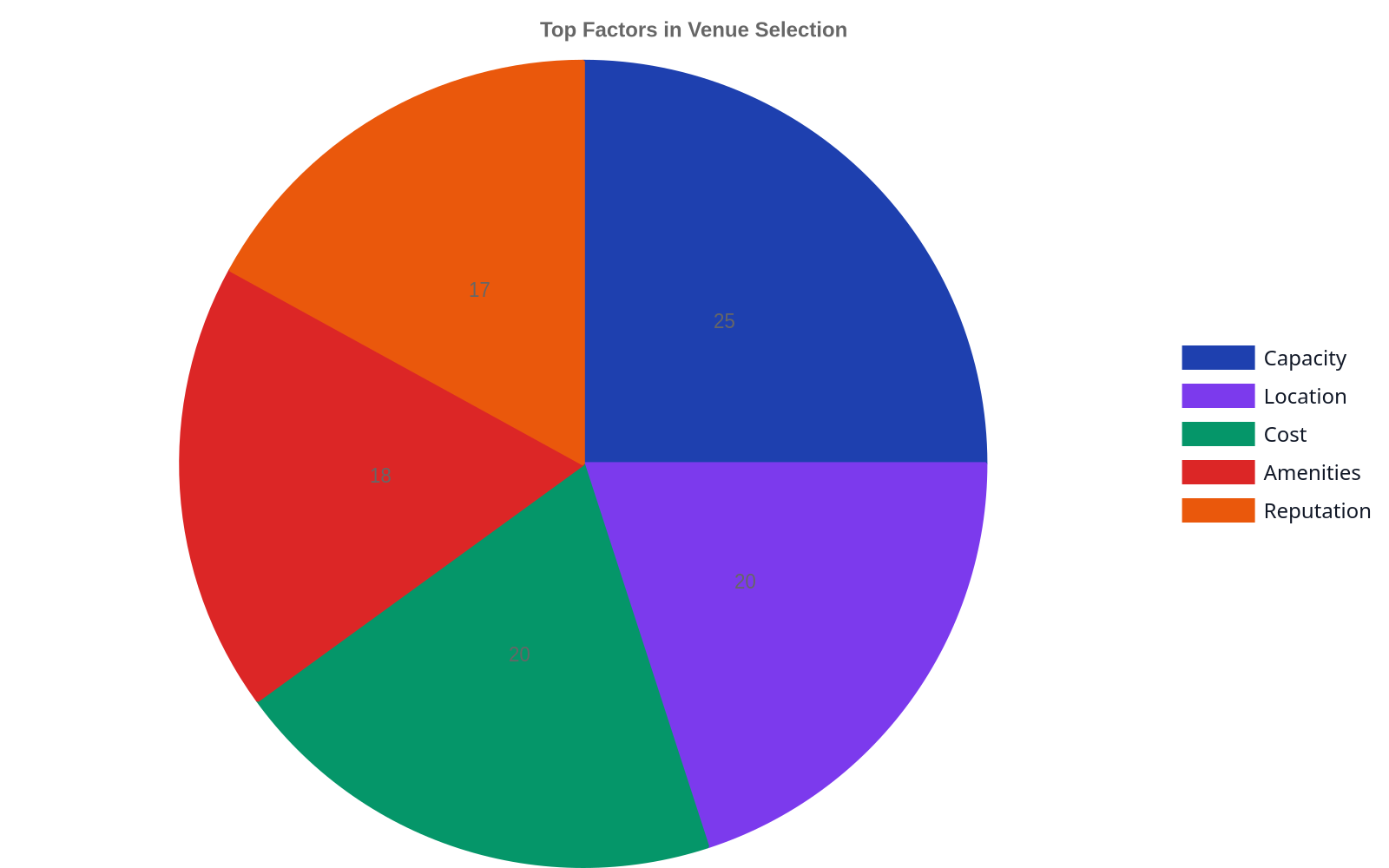
Once you have a sense of the type of venue you need, you can start comparing specific options. Look beyond the photos and focus on these practical realities.
Capacity and Layout vs. Guest Count
Don’t just accept the number a venue gives you. Ask for a floor plan. A venue that claims “1,000 capacity” might mean standing-room-only for a concert. For a seated wedding dinner with a dance floor, that same space might only comfortably fit 600. Think about the flow of your event. Where will guests mingle? Where is the stage? Is there a separate area for a buffet? The layout is just as important as the raw capacity number.
Location, Parking, and Accessibility
In Lagos, traffic is a major event-planning consideration. A venue’s location affects not only your guests but also your vendors. A hard-to-reach location on the outskirts might be cheaper, but you could lose that savings in vendor delivery fees or lose guests who get stuck in traffic. Consider the reality of travel from different parts of the city. We are centrally located on Ikotun-Idimu Road, a decision made to balance elegance with practical accessibility. Also, confirm the parking situation. Is it sufficient, secure, and free?
Budget: The Full Picture (Beyond the Rental Fee)
The venue rental fee is often just the beginning. To create a realistic budget, you must ask for a full list of all potential charges. These can include:
- VAT: Value Added Tax can add a significant percentage to your bill.
- Service Charge: A mandatory gratuity, often 10-25% of the food and beverage total.
- Corkage Fees: The fee to bring in your own drinks, which can sometimes be so high it negates the savings.
- Cleaning Fees: Some venues charge a flat fee for post-event cleaning.
- Security Costs: Especially for large events, you may be required to pay for on-site security personnel.
Vendor Policies and Restrictions
This is a critical, often overlooked factor. Some venues have a very short, exclusive list of “preferred vendors” you must use for everything from catering to decor. Others are more flexible. At Regal Castle, we maintain vendor-friendly policies, believing you should have the freedom to work with the creative partners you trust. This can dramatically impact both your budget and the final quality of your event. Always ask: “Can I bring in my own caterer? My own decorator? My own DJ?” If the answer is no, you need to be comfortable with their in-house options and pricing.
Maximizing Your Event Venue Experience
Securing the venue is a milestone, but managing the relationship ensures you get the most out of it. It requires proactive communication and knowing what to look for.
The Site Visit is Non-Negotiable
Pictures can be deceiving. You must visit your top 2-3 venue options in person. During the tour, ignore the fancy decor and inspect the fundamentals. Check the condition of the restrooms. Look at the walls and floors for scuffs and damage. Notice the professionalism of the staff you interact with. Ask to see the power outlets and lighting controls. Look for security infrastructure; features like 24/7 CCTV surveillance are a sign of a professionally managed facility. The small details on a quiet Tuesday afternoon tell you a lot about how the venue will perform on a chaotic event day.
Ask About Staffing and Support
Clarify who your point of contact will be on the day of the event. Is there a dedicated venue manager or supervisor who will be present from start to finish? Or will you be handed off to a junior banquet captain? Understanding the on-site support structure is crucial. Some venues offer services like event planning assistance as part of their package, which can be invaluable in coordinating vendors and managing the timeline. Research shows that a positive physical environment directly correlates with a better guest experience, and a helpful, present venue staff is a huge part of that environment, as noted in hospitality studies.
The cheapest venue is rarely the best value. Factor in the cost of stress, logistical problems, and the guest experience before making a decision based on the rental fee alone.
Negotiating Your Contract
Read every line of the contract before you sign. Pay close attention to the payment schedule, cancellation policy, and liability clauses. While the base rental fee is often non-negotiable, you may have room to discuss other items. Can they offer a more flexible payment plan? Can they waive the corkage fee if you meet a certain bar minimum? Can they include items like linens or a sound system at no extra charge? A breakdown of wedding expenses often shows the venue as the single largest cost, so ensuring the contract is fair and comprehensive is vital.
Summary Comparison of Lagos Venue Types
| Venue Type | Typical Capacity | Cost (Relative) | Flexibility | Best For |
|---|---|---|---|---|
| Banquet Hall | High (250-1000+) | Medium | High | Large Weddings, Corporate Galas |
| Hotel Ballroom | Medium-High (100-500) | High | Low-Medium | Conferences, Business Events |
| Unique Space | Low-Medium (50-250) | Varies Widely | Low | Brand Activations, Themed Parties |
| Outdoor/Marquee | Varies Widely | Medium-High | Medium | Garden Weddings, Daytime Socials |
Choosing the right event venue in Lagos is about aligning the space with your vision, budget, and guest experience goals. By looking past the surface and asking the right questions about costs, policies, and support, you find a true partner for your event. If you’re planning a wedding, corporate event, or private party, we invite you to see how our flexible spaces and dedicated team can bring your vision to life.
Further reading
FAQ
How much does it cost to rent an event venue in Lagos?
Costs vary dramatically based on location, capacity, and amenities. A basic hall in a less central area might start around ₦500,000, while a premium banquet hall or hotel ballroom in areas like VI or Ikoyi can range from ₦2,000,000 to over ₦10,000,000 for a single day’s rental, before considering catering and other services.
How far in advance should I book an event venue?
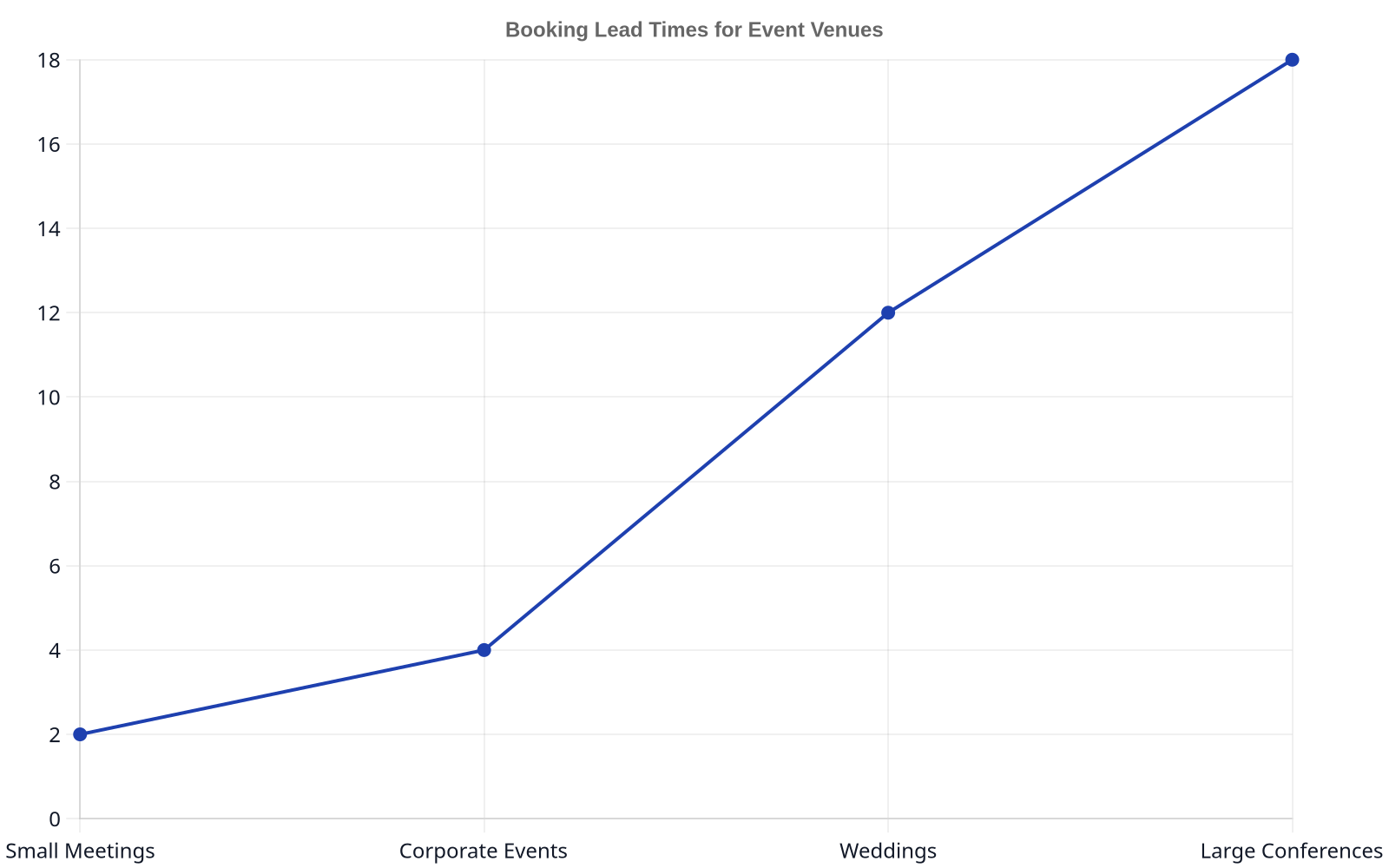
For weddings and other large events, especially on popular dates, you should book your venue 12 to 18 months in advance. For corporate events or smaller parties with more date flexibility, 6 to 9 months is often sufficient. The most sought-after event venues in Lagos are often booked more than a year out.
What are the most common hidden costs?
The most common unexpected costs are VAT, service charges (which can be up to 25% of your food and beverage bill), fees for bringing in your own alcohol (corkage), and mandatory security or cleaning fees. Always ask for a complete quote that includes all potential charges.
Can I bring my own caterer and decorator?
This completely depends on the venue’s policy. Hotel venues and all-inclusive spaces typically require you to use their in-house services. Many independent event centres, like Regal Castle, have vendor-friendly policies that allow you to bring in your own licensed and insured professionals, giving you more creative control and budget flexibility.
What’s the difference between a venue coordinator and an event planner?
A venue coordinator works for the venue. Their job is to manage the venue itself—unlocking the doors, controlling the lights, and ensuring their staff and property are in order. An event planner works for you. They manage your entire event, from budget and vendor selection to timeline and guest experience. Some venues offer planning assistance, but this is typically focused on venue-related logistics.
What should I look for during a venue tour?
Pay attention to cleanliness, especially in the restrooms. Check for signs of wear and tear like scuffed floors or peeling paint. Assess the attitude of the staff. Ask to see the “back of house” areas where caterers would work. Confirm the power situation and test the air conditioning. Finally, assess the parking and security situation for your guests’ comfort and safety.