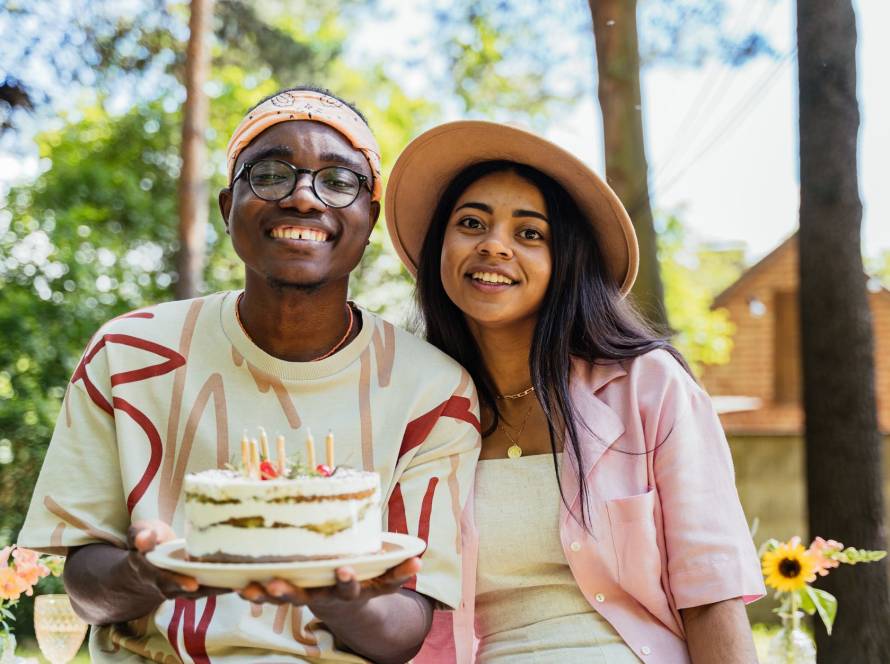
The Nigerian marriage introduction ceremony is the formal meeting between two families to give consent for a union. It is not the wedding, but a vital cultural prerequisite where the groom’s family officially requests the bride’s hand in marriage. This event establishes the foundation for the families’ future relationship and is a cornerstone of Nigerian marital rites. This guide provides a complete, step-by-step process for how to do an introduction ceremony in Nigeria, ensuring you honour tradition while navigating modern expectations. By the end, you will be able to organise an event that unites both families with respect and joy.
Prerequisites: What to Settle Before You Plan
Before choosing a date or a menu, it is critical to understand the ceremony’s context. The introduction, known as ‘mí Mọ̀ ó’ in Yoruba, is distinct from a Western-style proposal or engagement party. Its primary purpose is to secure parental and family blessing. A man can propose to a woman, but in Nigerian tradition, it is his family that must formally ask her family for her hand.
The key participants are non-negotiable:
- The Couple: The reason for the gathering.
- Both Sets of Parents: Their consent is the central goal.
- Elders and Key Family Members: Uncles, aunts, and grandparents from both sides must be present to witness and approve the union.
- A Spokesperson (Alaga): Each family designates a spokesperson, often a charismatic family member or a professional, to guide the proceedings with prayers, proverbs, and humour.
Understanding this hierarchy and purpose prevents misunderstandings and ensures the day proceeds smoothly.
Step 1: Arrange the Informal Pre-Meeting
The most common mistake is surprising the bride’s family with a large entourage and a list of gifts. The first step should always be a small, informal meeting between a few key representatives from both families, usually the fathers or designated uncles. This is not the introduction itself. The purpose is to confirm that both families are, in principle, open to the union. The intending groom should facilitate this. During this meeting, they will agree on a suitable date for the formal introduction and the groom’s side can tactfully inquire about the requirements of the ‘list’ to prepare properly.
Step 2: Assemble the ‘Eru Iyawo’ (The Bride’s Load)
The ‘Eru Iyawo’ is the collection of gifts the groom’s family brings to the bride’s family. It is a symbol of respect and appreciation, not a payment. While the specifics vary by tribe and even by family, certain items are standard, especially in Yoruba culture. The list is formally requested by the bride’s family.
| Item Category | Common Yoruba Examples | Symbolism |
|---|---|---|
| Staples | 42 Large Tubers of Yam, Bag of Rice, Bag of Salt | Provision, abundance, and the ability to care for the bride |
| Fruits | A large basket of assorted fruits | Fruitfulness and a sweet marriage |
| Sweets | Box of Sugar, Carton of Honey | Sweetness in the relationship and life ahead |
| Traditional | Alligator Pepper (Ataare), Kola Nuts (Obi Abata), Palm Oil (Epo Pupa) | Fertility, prayer, overcoming enemies, and peaceful life |
| Drinks | Cartons of malt drinks, soft drinks, and bottles of good quality gin or schnapps | Celebration and hospitality |
| Apparel/Cash | A suitcase with clothes, shoes, and bags for the bride; a specific cash envelope (Owo Isí Èkún) | Honouring the bride and acknowledging her family’s upbringing |
While the Yoruba tradition is well-documented, other Nigerian tribes have unique customs. In an Igbo introduction (Iku Aka or ‘knocking on the door’), the groom’s family also brings items like kola nuts and palm wine. For Hausa ceremonies, gifts are often more modest at this stage, focusing on fabrics, sweets, and kola nuts. A guide on cross-cultural Nigerian marriages can provide deeper insight if your families come from different backgrounds.
Step 3: Define the Scale and Budget
Introduction ceremonies range from intimate gatherings of 20 people in the bride’s family home to large events in rented halls. While many introductions are intimate affairs, larger ceremonies for 500-1000 guests often require a dedicated venue with ample facilities. Your budget, in Nigerian Naira (₦), will be determined by three main factors: guest count, food and drinks, and attire.
Traditionally, the groom’s family pays for the gifts and their family’s travel expenses. The bride’s family, as the hosts, covers the cost of entertaining all the guests. However, modern couples often contribute significantly or split costs, especially for larger ceremonies. Have an open conversation about finances early to avoid strain. Creating a simple spreadsheet to track expected costs for catering, drinks, outfits, and a photographer can prevent overspending.
Step 4: Organise the Ceremony Programme
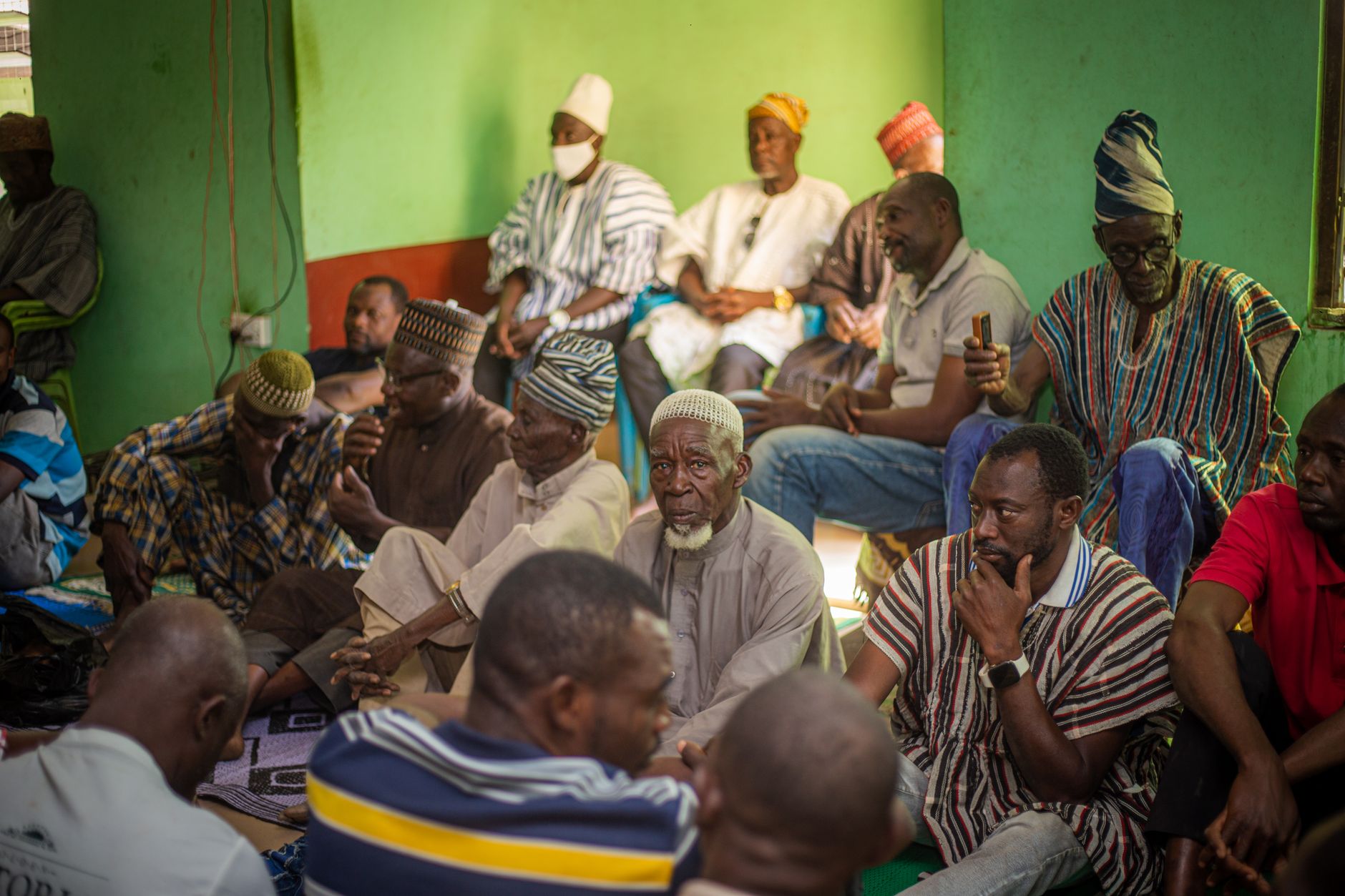
A clear, well-communicated programme prevents chaos. While a professional Alaga will manage the flow, you should know the sequence of events. A typical programme runs for about two to three hours before food is served.
- Arrival of the Groom’s Family: They arrive and wait for permission to enter.
- Formal Entry: The groom’s family is formally welcomed into the venue.
- Opening Prayer: A prayer is said by a representative from each family.
- Stating the Purpose: The groom’s family’s spokesperson formally states their reason for visiting.
- Family Introductions: Both families introduce their key members.
- Presentation of the Bride: The bride is brought out to identify the man and consent to the proposal in front of everyone.
- Presentation of Gifts: The ‘Eru Iyawo’ is presented and formally accepted by the bride’s family.
- Parental Blessings: Both sets of parents pray for and bless the couple.
- Refreshments and Mingling: The formal ceremony concludes, and guests are invited to eat, drink, and socialise. This part of the day functions much like the professional professional networking mixers, where new connections are solidified in a relaxed atmosphere.
An introduction ceremony is not a negotiation. It is a dialogue. The gift list is a symbol of respect and intent, not a transaction.
Step 5: Choose Attire and Key Suppliers
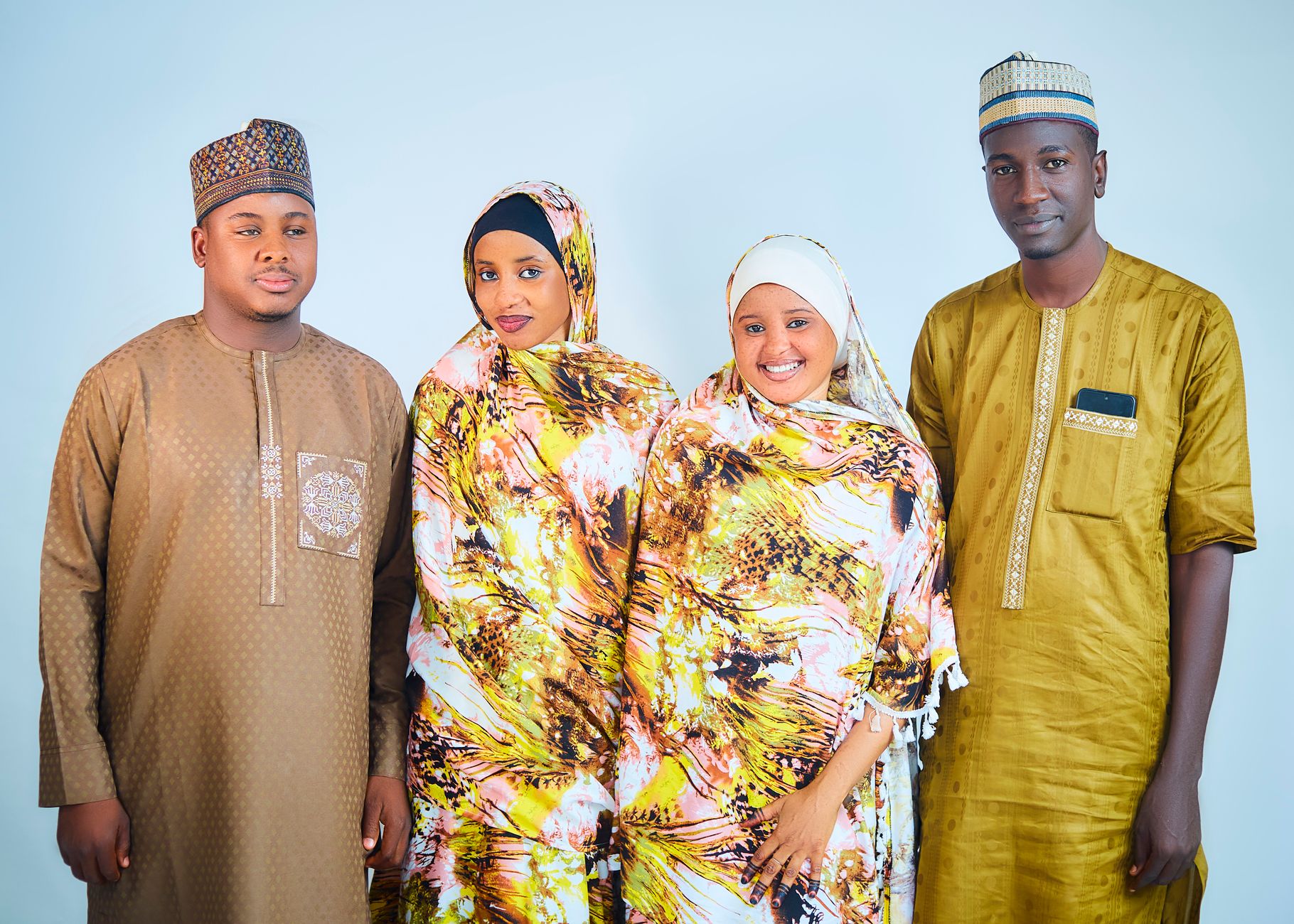
Attire is a significant part of the ceremony’s visual appeal. Families typically wear coordinated traditional outfits, known as Aso-Ebi. The bride and groom often wear matching or complementary attire that makes them stand out. For Yoruba ceremonies, fabrics like Aso Oke are popular choices, as detailed in many guides to traditional wedding attire.
For larger events, you will need to book suppliers. A professional photographer and videographer are essential to capture the memories. If the event is not at home, you will need a caterer. When booking, confirm costs, delivery times, and exactly what is included in their service in writing.
Step 6: Understand and Practise Correct Etiquette
Respect is the currency of the day. For the groom and his family, this means showing humility. In Yoruba culture, the groom and his male friends will perform an Idobale (prostration) before the bride’s parents as a sign of deep respect. The groom’s family must be punctual and speak through their designated spokesperson.
For the bride’s family, etiquette demands they be gracious hosts. They should welcome their new in-laws warmly and accept the gifts with gratitude. For all guests, it means dressing in the prescribed attire (if any), witnessing the ceremony respectfully, and not interfering with the Alaga or the family elders.
The success of an introduction isn’t measured by the expense, but by the warmth and mutual respect generated between the two families.
Step 7: How to Handle Ceremony Day Coordination
On the day, things can get hectic. Designate one person who is not in the immediate bridal or groom’s party to act as an event coordinator. This person’s job is to liaise with the caterer, ensure the Alagas have what they need, and keep the programme on schedule. In larger venues, a dedicated manager often fills this role.
At our facility, located on the easily accessible 137 Ikotun-Idimu Road in Lagos, we ensure that every logistical detail is handled. This includes providing a secure environment with 24/7 professional security and managing power with three backup generators so that the focus remains on the family union, not on operational concerns.
Modern Adaptations and Trends
While tradition is central, Nigerian introduction ceremonies are evolving. Many families now incorporate technology, with relatives abroad joining via video call. According to a PwC report on Nigerian media, increasing internet connectivity is changing how we experience live events. Couples are also more involved in the financial planning, seeing it as the first joint project of their new life.
Some couples blend the introduction with a small engagement party afterwards, allowing their friends to celebrate with them after the family formalities are complete. The key is to discuss any modernisations with your families beforehand to ensure everyone feels respected.
Troubleshooting Common Issues
Even with perfect planning, challenges can arise. The most frequent issue is a disagreement over the gift list. This is best avoided by having that informal pre-meeting to set expectations. If a disagreement arises during the ceremony, allow the designated spokespersons to handle it gracefully.
Another common pitfall is having too many people trying to direct the events. Rely on your chosen Alagas; their role is to manage the flow and diplomatically navigate any sensitive moments. Finally, to differentiate this event from a legal union, it helps to understand the Nigerian government’s marriage requirements, which involve registry offices and are separate from any traditional ceremony.
Frequently Asked Questions
Which tribe’s introduction is this guide for?
This guide focuses primarily on the Yoruba introduction ceremony, as it is one of the most common in Nigeria, particularly in the South-West. However, it includes details and tips applicable to Igbo, Hausa, and other Nigerian cultures, and highlights where practices differ.
What is the difference between an introduction and an engagement party?
The introduction is a formal family-centric event focused on securing parental consent. An engagement party is a more informal, couple-centric celebration with friends. The introduction is a cultural requirement; the engagement party is optional.
How many guests should we invite to an introduction?
This depends entirely on your family’s preference and budget. A simple ceremony at home might have 20-50 guests, comprising close family. A more elaborate event at a hall could host 100-300 people or more. There is no strict rule.
Must the groom’s entire family attend?
No, but his core family must be present. This includes his parents (if living), and key representatives like senior uncles or family elders who can speak on the family’s behalf. It is about representative attendance, not a full family reunion.
Can we do the introduction and traditional wedding on the same day?
Yes, this is becoming more common to save costs and for logistical convenience, especially if families have to travel long distances. If you choose this option, it requires meticulous planning and a clear schedule to fit both distinct ceremonies into one day.
What if our families are from different tribes?
Inter-tribal marriages are very common. The respectful approach is to decide which family’s tradition will take precedence or to create a blend of both. For example, you might follow the bride’s cultural format for the ceremony but incorporate specific symbolic gifts from the groom’s culture. Open communication is the only way to make this work.
Planning a Nigerian introduction ceremony is about respectfully bridging two families. By following these steps, you can create a beautiful and memorable event that honours your heritage and begins your journey to marriage on a foundation of unity. If you are planning a larger ceremony in Lagos and need a venue that understands the cultural importance of your day, we invite you to get in touch with our team.