A typical Nigerian wedding hosts between 300 and 600 guests, but this figure is driven by cultural expectations and parental influence, not just the couple’s budget. The key is to reconcile your ideal celebration with your financial reality by creating a tiered guest list and matching it to a venue’s capacity before sending any invitations. This process involves honest conversations with both families and a firm strategy for managing expectations to keep your celebration both joyous and financially sound. Knowing how many guests to invite to a Nigerian wedding is less about a magic number and more about a strategic process.
First, Acknowledge the Nigerian Reality: More is More
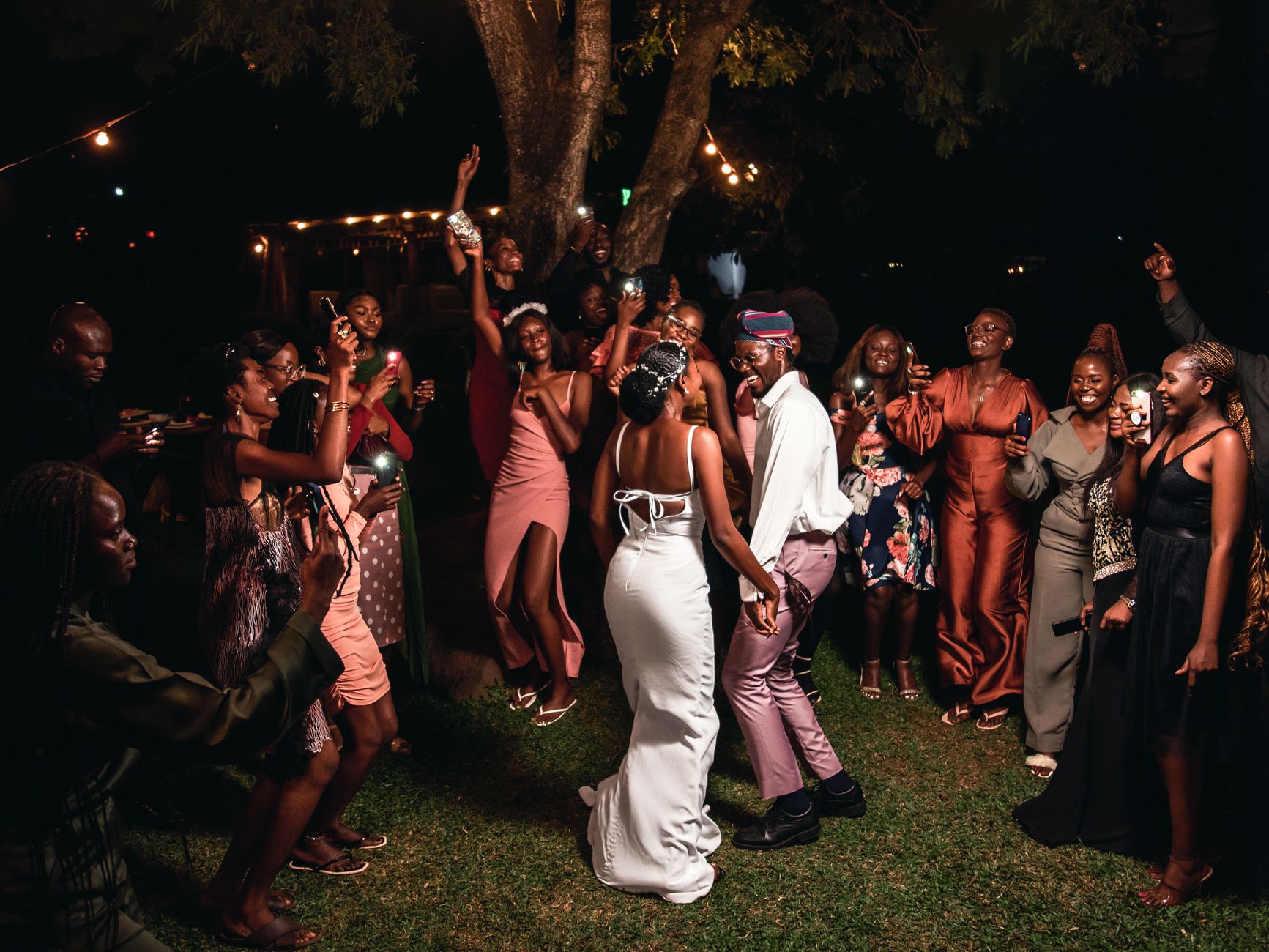
In Nigeria, a wedding is rarely just for the couple; it’s a celebration for two entire families and their communities. This cultural framework is the primary reason guest lists expand so rapidly. The concept of an ‘open invitation’ is deeply ingrained, where extended family, neighbours, and colleagues of your parents may expect to attend without a formal invite. This isn’t seen as rude, but as a testament to the family’s social standing and generosity. Acknowledging this pressure from the start is not defeatist; it’s realistic. You cannot plan effectively by pretending these expectations don’t exist. The goal is to manage this reality, not ignore it. As one person candidly put it, reflecting a desire for a smaller affair, “What am I using crowd for. I just need few witnesses. After church service, everyone eats and goes home.” While appealing, this minimalist approach is the exception, not the rule.
Set Your Budget Before Your Guest List
Your wedding budget dictates your guest list, not the other way around. Every additional guest adds a direct cost for catering, drinks, souvenirs, and sometimes even the chair they sit on. Before you write a single name, determine the total amount you are willing to spend. Then, break it down per head. For example, if your caterer charges ₦20,000 per guest and you have a food budget of ₦4,000,000, your maximum guest count from a catering perspective is 200 people. You must do this calculation for every major per-head cost. This exercise provides a cold, hard number that serves as your anchor during emotional negotiations with family. When a parent wants to add 50 more names, you can respond with the financial implication: “Adding 50 guests will increase our catering cost by ₦1,000,000. How can we adjust the budget to accommodate this?” This shifts the conversation from a vague wish to a concrete financial decision.
Match Your Guest Count to Your Venue Capacity
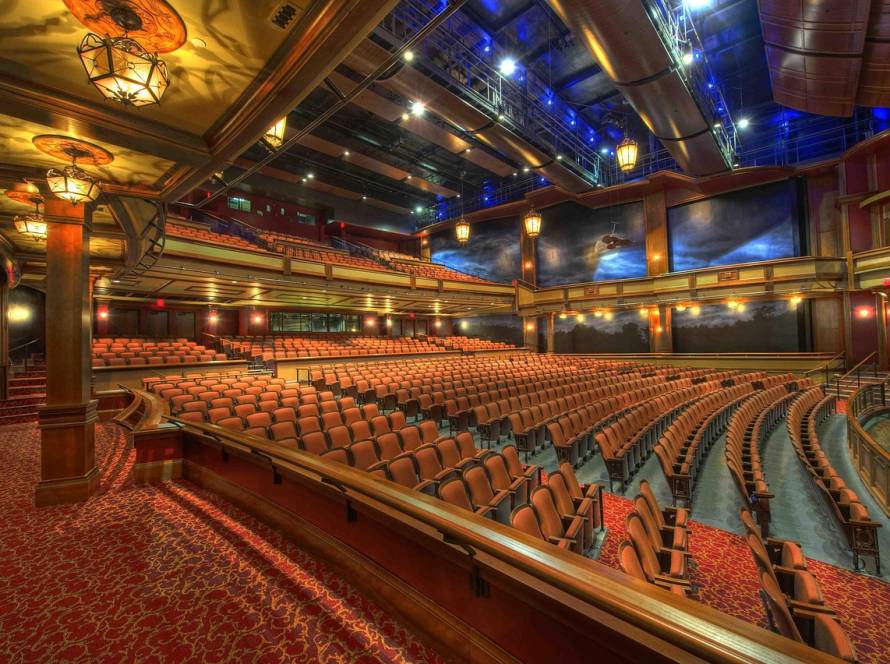
The physical capacity of your venue is your most powerful tool for enforcing your guest list limit. If you book a hall that holds a maximum of 400 people, you have a non-negotiable reason to cap your list. At Regal Castle, our venue on Ikotun-Idimu Road in Lagos is designed to host events for between 500 and 1,000 guests, offering the flexibility for both large and more controlled celebrations. When viewing venues, ask for the maximum capacity for your desired seating arrangement (e.g., banquet, theatre-style) and be realistic about comfort. A hall that can technically fit 500 people might be uncomfortably crowded. Also, consider logistics like parking. A large guest count requires ample space; our spacious parking area is designed to accommodate large event crowds, preventing logistical headaches on your big day. Choosing a venue slightly smaller than your initial unedited guest list forces you to make necessary cuts.

Creating the Master Guest List: The ‘A, B, C’ Tiers
A tiered guest list is the most effective way to prioritise. It turns a single, overwhelming list into a structured series of decisions. You are not deciding who to cut; you are deciding who must be there. This method, often called the A-List, B-List, and C-List approach, organises your potential guests logically.
Here is a simple process to follow:
- Create the ‘Dream List’: Both you and your partner should write down everyone you would invite if money and space were no object.
- Combine and Categorise: Merge your lists into a single spreadsheet. Add columns for ‘Relationship’ (e.g., Bride’s Family, Groom’s Friend, Parents’ Guest) and ‘Tier’.
- Assign the ‘A-List’: This tier is for non-negotiable guests. This includes immediate family (parents, siblings), grandparents, and the wedding party. These are the people you cannot imagine getting married without.
- Build the ‘B-List’: This tier includes close relatives (aunts, uncles, first cousins), best friends, and other people you are very close to. These are the people you really want to be there.
- Form the ‘C-List’: This tier is for everyone else: colleagues, distant relatives, neighbours, and your parents’ wider circle of friends. These are people you would like to invite if space and budget permit.
The moment you send an invitation, the cost is committed. A tiered list forces you to confront the financial impact of each guest before that commitment is made.
Once your tiers are defined, you can match them to your budget. Start with the A-List, add the B-List, and see if you have room for anyone from the C-List.
| Guest Tier | Who They Are | Invitation Priority |
|---|---|---|
| A-List | Immediate family, wedding party, grandparents | Must be invited. Non-negotiable. |
| B-List | Close friends, aunts, uncles, first cousins | Should be invited. High priority. |
| C-List | Colleagues, parents’ friends, distant family | Could be invited. Depends on budget/venue space. |
Dividing the List: Negotiating with Both Families
This is often the most challenging part of planning a Nigerian wedding. Parents on both sides have social obligations and a vision for the day that includes their friends and associates. A common starting point for dividing the list is 50% for the couple, 25% for the bride’s parents, and 25% for the groom’s parents. However, this only works if contributions are equal. A more practical approach is to allocate guest slots based on who is funding the wedding. If one family is contributing significantly more, it is reasonable for them to have a larger share of the guest list. The key is to have this conversation early and with a clear budget in hand. Present your parents with a number, not a request. For example: “Based on our budget of ₦X and venue capacity of 400, we have allocated 100 seats for your guests. Please provide us with your list of 100 names.” This frames the discussion with firm boundaries.
The Art of the RSVP in Nigeria
In many Western cultures, an RSVP is a binding commitment. In Nigeria, it’s often treated as a loose indication of intent. Many guests who say ‘yes’ may not show up, while many who don’t reply will attend, sometimes with extra people. This makes final headcount planning difficult. To combat this, you need a multi-pronged strategy. While traditional paper invitations are essential, supplement them with digital tools. Using a platform like WhatsApp for follow-ups or a simple wedding website with an RSVP form can improve response rates. Some Nigerian wedding planning apps like Zilla offer guest list management tools to help track responses. Another powerful, uniquely Nigerian tool is the Aso Ebi. Distributing Aso Ebi fabric often serves as a more reliable indicator of attendance than a written RSVP, as it involves a financial commitment from the guest. This is a crucial part of nigerian wedding planning that balances tradition with practical needs.
Managing Plus-Ones and Uninvited Guests
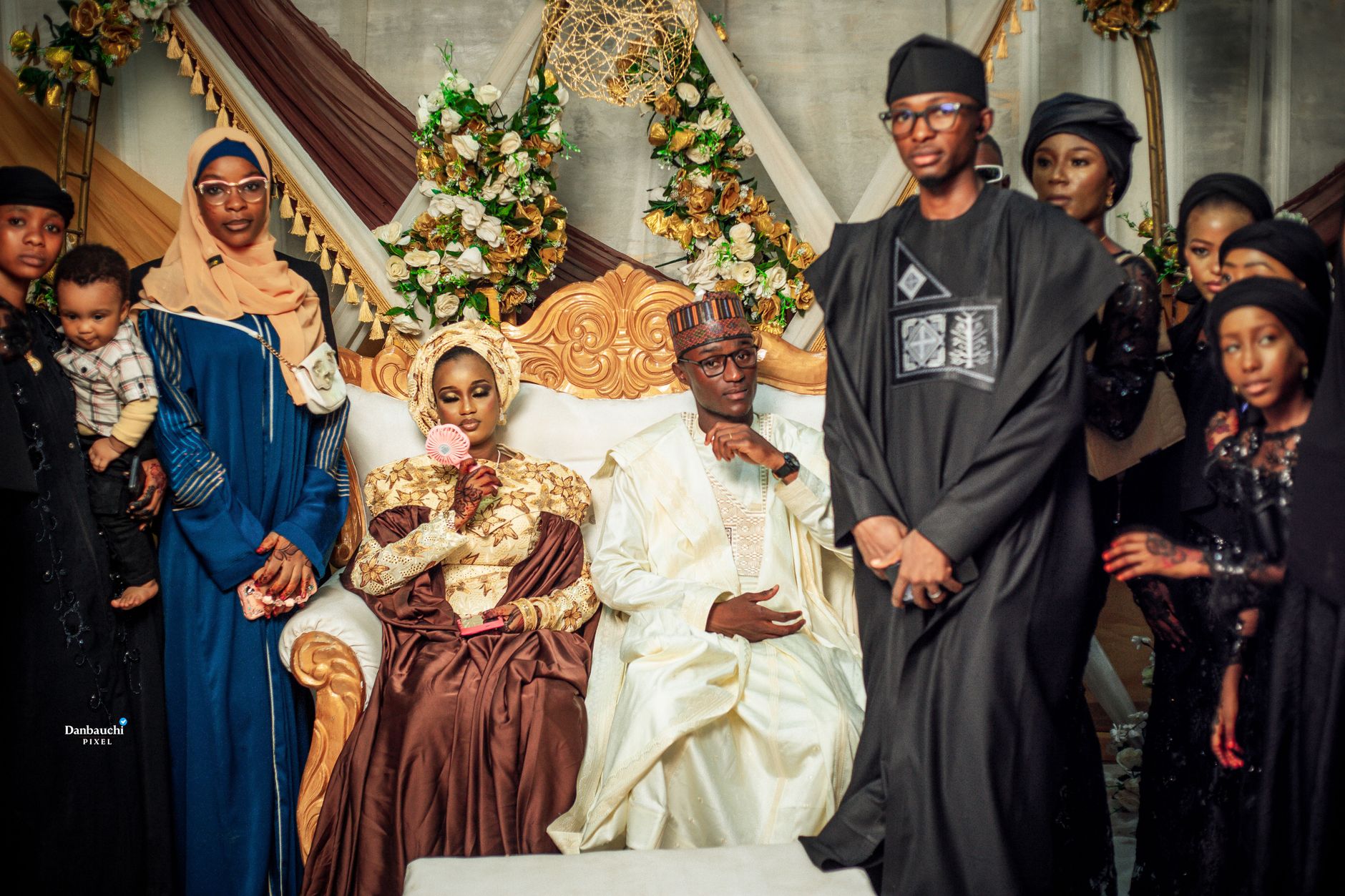
The phenomenon of uninvited guests, or ‘mo gbo, mo ya’ (I heard, I came), is real. While it stems from a communal spirit of celebration, it can wreak havoc on a carefully planned budget and seating arrangement. The best defence is a clear and firm policy from the start. Your invitation cards should explicitly state who is invited. Instead of “Mr. & Mrs. Adebayo and Family,” write the specific names: “Mr. & Mrs. Tunde Adebayo, Femi, and Lola.” For plus-ones, address the invitation to the single guest by name. If you must allow plus-ones, reserve them for guests in long-term, established relationships. For uninvited guests, professional security and a strict invitation-only policy at the entrance are essential. This is not about being exclusive; it’s about honouring the budget you’ve set and ensuring the guests you prioritised are well-catered for. It may feel stern, but it is a necessary step for a well-organised event.
A venue’s maximum capacity is not a suggestion; it is a safety and comfort limit that serves as your best reason for a firm guest list.
Considering International and Destination Wedding Guests
For couples in the diaspora or those with many guests living abroad, the guest list dynamic changes. The cost and logistics of international travel naturally create a smaller, more intimate guest list. If you are hosting your wedding in Lagos and inviting guests from the US, UK, or Canada, you must provide them with information well in advance. This includes guidance on visa applications. The Nigerian Immigration Service website is the official source for visa requirements and procedures. You can also direct them to the Ministry of Foreign Affairs for embassy information in their home country. When you have guests travelling from afar, choosing a venue with comprehensive facilities is a major advantage. Having both indoor and outdoor event spaces allows for a variety of events like a welcome cocktail party or a farewell brunch. Furthermore, offering a bridal suite and on-site guest rooms provides immense comfort and convenience for the wedding party and travelling family, simplifying their stay.
Start Planning Your Ideal Wedding Today
Ultimately, the answer to ‘how many guests to invite to a Nigerian wedding’ is ‘as many as your budget and venue can comfortably support’. It requires a shift in mindset from accommodating everyone to prioritising who is essential to your celebration. By setting a budget first, choosing the right venue, creating a tiered list, and communicating clearly with your families, you can take control of the process. This strategic approach ensures your wedding day is a joyful reflection of your love, not a source of financial stress. To see how our venue can accommodate your dream wedding, get in touch to discuss your event with our team.