How to Control Gatecrashers at a Nigerian Wedding: The 2026 Professional Guide
Controlling gatecrashers at a Nigerian wedding starts with a meticulously managed guest list and professional security at every entrance. It is not about being rude; it is about protecting your budget, ensuring guest safety, and preserving the intimacy of your day. For a flawless event, you must combine firm pre-wedding communication with strict on-site enforcement. This involves using detailed invitations, leveraging RSVP technology, hiring trained doormen or security personnel, and having a clear protocol for handling uninvited individuals with respect but firmness.
Why Gatecrashing is a Major Issue at Nigerian Weddings
Nigerian weddings are famously large, vibrant celebrations, often seen as communal affairs. This wonderful cultural trait, however, is the primary reason gatecrashing is so common. The “the more, the merrier” sentiment can unintentionally extend to uninvited guests. But an unexpected surge in attendance has serious consequences, turning a well-planned celebration into a logistical nightmare. The financial strain is the most immediate problem; caterers, bar services, and rentals are all contracted based on a specific headcount. An extra 50 or 100 people means more mouths to feed and more bodies to seat, leading to budget overruns that can amount to hundreds of thousands or even millions of Naira.
Beyond the cost, there are significant safety and security concerns. A larger, uncontrolled crowd increases the risk of theft, altercations, or other disturbances. We know this from experience managing events; our own professional security team is a non-negotiable for the safety of every celebration hosted at our venue.
Defining the Types of Gatecrashers
Not all uninvited guests are the same. Understanding who they are helps you create a strategy to manage them.
- The Strangers: These individuals have no connection to the couple or their families. They may have heard about the wedding and simply show up for free food and entertainment. They are the easiest to identify and turn away at the door.
- The Uninvited “Plus-Ones”: A common issue is invited guests bringing along friends, partners, or even children who were not explicitly named on the invitation. This often happens without malicious intent but can quickly swell your numbers.
- Past Associates and Distant Relatives: This group includes old colleagues, former neighbors, or distant family members who were not on the final list but feel they should have been. They attend out of a sense of social obligation or entitlement, making them difficult to handle politely.
The Cultural Context of Large Guest Lists
The pressure to invite everyone is a real part of Nigerian wedding traditions. Families often have extensive social networks, and failing to invite someone can be seen as a sign of disrespect. This cultural expectation leads to guest lists that can easily spiral into the hundreds, making it difficult to track who is genuinely invited. While a large wedding is a beautiful spectacle, a controlled one is a successful one. The goal is not to exclude but to host the people you have intentionally planned for, ensuring they have the best possible experience.
Your First Line of Defense: The Invitation and Guest List
Your strategy for how to control gatecrashers at a Nigerian wedding begins months before the event. A well-managed guest list and a strategically designed invitation are your most powerful tools. They set clear expectations from the outset.
Designing an Invitation That Deters Crashers
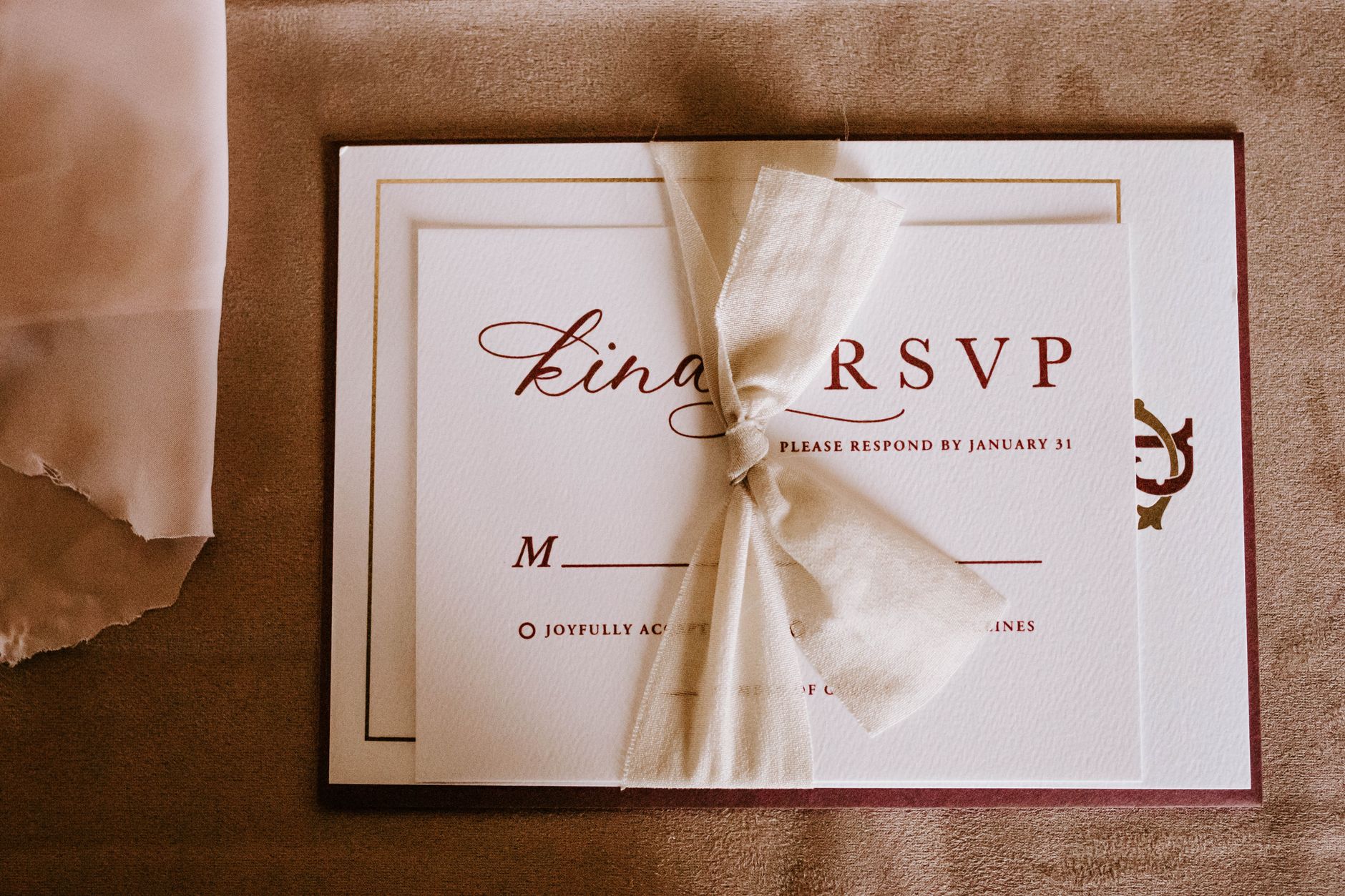
Your invitation is more than just a piece of paper; it’s your first layer of security. Modern invitations can include subtle features that make them difficult to replicate or misuse. Consider adding a unique QR code or a barcode for each invitation. When guests arrive, this code can be scanned to verify their name against the digital guest list. This tech-savvy approach is becoming more common at upscale events in Lagos and immediately signals that access is controlled.
Explicitly state who is invited. Instead of “Mr. & Mrs. Adebayo and Family,” list the names of each invited person: “Mr. & Mrs. Adebayo, Tunde, and Funke.” For plus-ones, address the invitation to the guest “and Guest.” If you are not allowing a plus-one, address it only to the invited individual. Clear wording prevents “accidental” extra guests.
Leveraging Technology for RSVP Management
Forget paper lists and WhatsApp messages that are impossible to track. Use a dedicated digital RSVP platform to manage your guest list. Websites like Eventbrite or specialized wedding platforms allow you to create a private event page where guests must enter their name or a unique code to RSVP. This gives you a real-time, accurate headcount.
These platforms provide a master list that can be used at the door. Your ushers or security team can have this list on a tablet, allowing for quick, efficient check-ins. It professionalizes the process and removes ambiguity. If a name isn’t on the list, entry is not granted. It’s a simple, non-confrontational rule.
The most effective way to handle a potential gatecrasher is to ensure they never get past the front door. A firm, polite check-in process is not rude; it’s responsible event management.
Communicating Boundaries Before the Wedding
Managing expectations with family is crucial. Have honest conversations with your parents and in-laws about the budget and venue capacity. Explain that while you’d love to invite everyone, it’s not feasible. You can address this diplomatically by explaining how you came to your final number. For example: “Our venue has a strict capacity of 500 people, and our budget supports that number. To ensure everyone has a wonderful time, we have to stick to our invited guest list.”
This proactive communication helps prevent family members from informally inviting their own acquaintances. It frames the guest list as a logistical necessity rather than a personal choice, which can help soften any hurt feelings. For those looking at how to politely reduce your wedding guest list Nigeria-style, this direct but respectful approach is key.
On-the-Day Enforcement: Security and Guest Management
No amount of pre-planning works without effective execution on the wedding day. This is where professional staff and a clear venue layout become critical. Your plan for how to control gatecrashers at a Nigerian wedding relies on this enforcement layer.
The Non-Negotiable Role of Professional Security
Hiring professional security is an investment in your peace of mind. These are not just intimidating figures at the door; they are trained personnel skilled in crowd control and de-escalation. Instruct them to be polite but firm, with a “no list, no entry” policy. At our venue, we insist on professional security personnel because they are essential for managing access and ensuring the event remains private and secure.
Your security team should be briefed beforehand. Provide them with the final digital guest list and clear instructions on how to handle individuals who are not on it. They should have a designated point of contact, like the wedding planner or a trusted family member, to consult if a sensitive situation arises. This prevents the couple from being disturbed.
Using Ushers and Designated Family Members
Ushers are your friendly front line. They can work alongside security to create a welcoming yet controlled check-in experience. Choose ushers who are polite, assertive, and familiar with the guests. Their role is to greet attendees, check their names on the list, and guide them inside. If they don’t recognize someone, they can politely inquire, “Which of the couple do you know?” before checking the list.
Designate one or two senior family members or trusted friends as the final authority for any disputes. If someone insists they were invited, the security or ushers can refer the person to this designated point person. This individual can then handle the situation with the necessary cultural sensitivity, away from the main entrance.
How Venue Layout Can Discourage Gatecrashing
A well-designed venue can naturally filter out uninvited guests. A single, clearly marked point of entry is essential. This funnels all arrivals through your check-in point. Sprawling, open-plan venues with multiple entrances are much harder to secure. At Regal Castle, for instance, our venue on Ikotun-Idimu Road is designed with a controlled flow in mind, ensuring everyone passes through a formal reception area. A gated perimeter and clear entry points are features you should look for when choosing a venue, as they simplify security logistics immensely.
A Comparison of Gatecrasher Control Methods
Different strategies come with different levels of effectiveness, cost, and potential for awkwardness. Here’s a breakdown to help you decide on the right mix for your event.
| Method | Effectiveness | Cost (Naira) | Awkwardness Factor | Best For |
|---|
| Strict Invitation Wording | Moderate | Low | Low | All weddings, as a foundational step. |
| Digital RSVP & Guest List | High | Low-Moderate | Low | Tech-savvy couples who want accurate numbers. |
| Ushers as Check-in Staff | Moderate-High | Low (if using friends/family) | Moderate | Smaller to medium-sized weddings with a recognizable guest list. |
| Hired Doormen/Bouncers | High | Moderate-High | High | Large, high-profile weddings where discretion is secondary to security. |
| Professional Security Firm | Very High | High | Moderate | Any couple who wants comprehensive, professional, and insured security. |
| Relying on Family Elders | Low-Moderate | Low | Very High | Situations involving uninvited relatives, but not as a primary strategy. |

Handling Uninvited Guests Who Get Inside
Despite your best efforts, someone might slip through. How you handle them reflects on you as a host. The goal is firm, discreet removal without causing a scene.
The Role of the Wedding Planner
This is where an experienced wedding planner earns their fee. A professional planner is adept at handling awkward situations. They can discreetly approach the uninvited individual, pull them aside, and explain the situation. A good line is, “There seems to be a misunderstanding, as we don’t have your name on the final guest list. Unfortunately, we are at capacity, and I must ask you to leave.”
Because the planner is not a family member, their intervention is less personal and emotional. They are simply enforcing the rules of the private event. If the person becomes difficult, the planner can then signal the security team to handle the removal.
A gatecrasher consumes resources meant for your loved ones. Removing them isn’t impolite; it’s protecting the experience for your paid-for guests.
A Script for Polite but Firm Confrontation
If you or a designated family member must handle it, use a calm and direct approach. Do not be apologetic.
- Approach them privately. Never cause a scene in the middle of the dance floor. Ask them to step aside with you.
- Be direct and polite. “Hello, I’m sorry, I don’t believe we’ve met. I am the bride’s cousin and am helping manage the guest list. Can I ask your name?”
- State the situation clearly. Once you confirm they are not on the list: “I apologize, but this is a private event with a strict guest list, and we don’t seem to have you down. We are already over capacity with seating. I am going to have to ask you to leave.”
- Do not negotiate. Do not offer them “just one drink” or “a small plate of food.” This will only make the situation worse. If they refuse to leave, disengage and immediately get your security detail.
Cultural Nuances: Involving Family Elders
In some cases, especially with older, uninvited relatives, direct confrontation by security can cause a major family rift. This is a delicate situation where involving a respected family elder is the wisest move. The elder can speak to the person in a way that respects tradition and seniority while still explaining the situation. This approach, as discussed in guides on Nigerian wedding etiquette, is often about preserving family harmony while still maintaining control of the event.
Budgeting for the Unexpected
Even with the best planning, you might have a few unexpected guests. It is wise to have a small contingency fund for this. Some planners recommend budgeting for a 5-10% overage with your caterer. This is not to encourage gatecrashing but to ensure you are not caught completely off guard if a few important but un-RSVP’d guests arrive. However, this buffer should be for emergencies, not a free-for-all. As event experts point out, this buffer is your last line of defense, not your first.
The cost of gatecrashing is not just financial. According to some wedding planners, it affects the overall guest experience, from longer food queues to overcrowded dance floors. The real solution lies in prevention, not just accommodation. The complexity of Nigerian weddings, with their vibrant traditions and large families, makes this planning essential. As noted by some commentators, controlling the crowd is a key part of a successful Nigerian wedding, and it starts with a clear plan as one Nigerian lifestyle platform advises.
Ultimately, your wedding day is a celebration of your union. It is a private, ticketed event that you have spent a significant amount of money and time planning. Ensuring that only your invited guests are present is not just about logistics; it’s about creating the safe, intimate, and joyous atmosphere you deserve. By combining modern technology with clear communication and professional enforcement, you can master how to control gatecrashers at a Nigerian wedding.
FAQ
Is it rude to have security at a Nigerian wedding?
No, it is not rude; it is responsible. Security ensures the safety of all your invited guests and protects your investment. With large crowds, professional security is a sign of a well-organized event, not a hostile one. Our venue provides professional security for this very reason.
What is the best way to say “no plus-ones” on an invitation?
The clearest way is through direct addressing. Address the invitation only to the person invited. You can also include a small line on the RSVP card or wedding website that says, “We have reserved [X] seats in your honor.” This makes it clear that only the named guests are accounted for.
How much does wedding security cost in Lagos, Nigeria?
The cost varies widely based on the number of guards, the hours they are needed, and the reputation of the security firm. You can expect to pay anywhere from ₦150,000 to over ₦500,000 for a team of professional guards for a full-day event in Lagos. Always get quotes from several reputable companies.
What if a close family member brings an uninvited guest?
This is a delicate situation. The best approach is to have a designated family member (not the couple) pull your relative aside and gently explain that you are at capacity. If the uninvited guest is a spouse or partner you simply forgot, it is often best to accommodate them if possible. If it’s a casual friend, the family member should politely insist they cannot stay.
Can my wedding planner handle gatecrashers?
Absolutely. This is a key part of their job. A professional wedding planner is experienced in handling difficult situations discreetly. They act as a neutral third party, which removes the emotional burden from you and your family.
Your wedding is a once-in-a-lifetime event. By taking firm, professional steps to manage your guest list, you ensure that you celebrate with the people who matter most in a safe and joyful environment. If you are planning your wedding in Lagos and want a venue that prioritizes security and seamless event management, we invite you to start a conversation with our team.