How to Choose an Event Decorator in Lagos: A 2026 Guide
Choosing the wrong event decorator is more than just a bad aesthetic choice; it’s a costly mistake that can burn a seven-figure hole in your event budget. To select the right decorator for your wedding, corporate event, or party, you must look beyond their Instagram feed. The best decorators possess a verifiable track record, transparent pricing, and a clear understanding of how to work within your chosen venue. This means evaluating their portfolio not just for style, but for proof of logistical expertise and compatibility with your event’s scale and vision.

1. Portfolio and Verifiable Experience
Before you talk about price, you need to see proof of work. A decorator’s portfolio is their resume. But don’t just scroll through pretty pictures. Look for consistency, variety, and relevance to your own event. If you’re planning a 500-guest wedding, a portfolio filled with small, intimate birthday parties isn’t a good match. 78% of planners rank experience as the most critical factor when hiring event suppliers.
Here’s how to properly vet a portfolio:
Ask for full galleries: Don’t settle for the 10 best shots. Request access to a full event gallery (or two). This shows you the entire* space, not just the perfectly styled hero shot. You’ll see how the design held up from different angles and throughout the event.
- Verify the work: Ask for the names of the venues in their top portfolio pieces. A quick call to the venue manager can confirm they actually did the work and get an off-the-record reference. You’d be surprised how often a “portfolio” contains inspiration photos, not actual work.
- Look for venue familiarity: Have they worked in your chosen venue before? A decorator who understands a venue’s layout, rules, and power supply limitations is invaluable. For instance, our venue has both expansive outdoor and indoor spaces, and a decorator familiar with the flow between them can create a cohesive experience.
2. Specialization and Style
Not all decorators are created equal. Some excel at grand, floral-heavy weddings, while others are masters of sleek, modern designs for corporate events. Don’t hire a rustic-chic specialist and expect them to deliver a minimalist corporate gala. Their style must align with your vision from the start.
An event decorator’s specialization often dictates their entire inventory, from the types of chairs they stock to the lighting rigs they own. The global market for personal luxury goods, which includes high-end event aesthetics, is seeing a trend toward hyper-specialization. This means decorators are doubling down on what they do best.
Look for a decorator whose default style is already 80% of what you want. Customization is always possible, but you’ll get better results and a more efficient process if their natural aesthetic is a close fit for yours. This is especially true for large-scale gatherings like the weddings and corporate functions we host, where a decorator’s established style can be executed flawlessly across a large space.
A great decorator doesn’t just bring pretty things; they understand the operational flow of an event. They know when to set up, where to place items to avoid bottlenecks, and how to work with other vendors.
3. Understanding Event Decorator Pricing
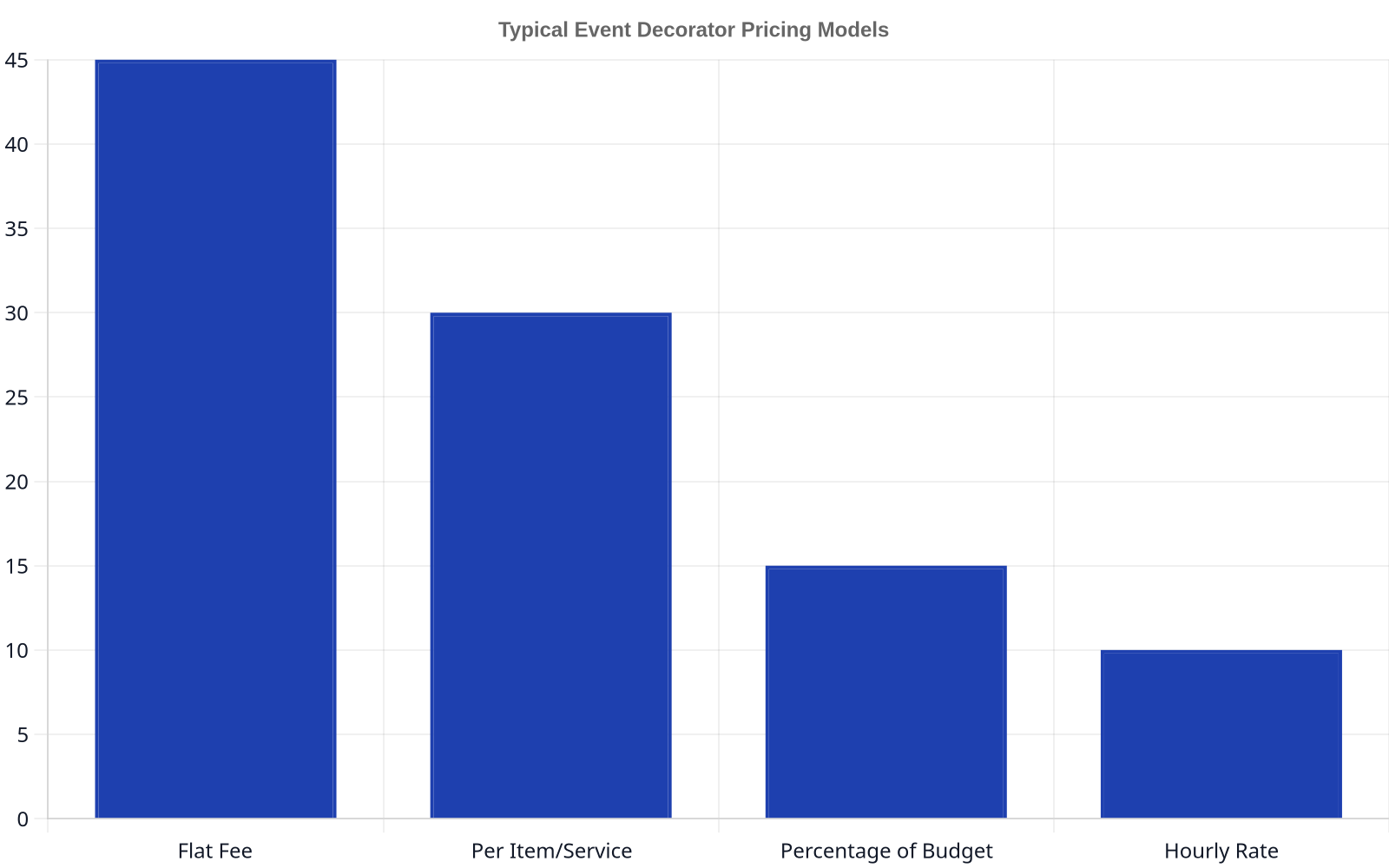
Decorator pricing in Lagos can feel opaque, but it generally falls into a few models. Expecting a single, flat fee for “decoration” is unrealistic. The total cost is a combination of design fees, rental costs, labor, and logistics. A professional decorator should be able to break this down for you clearly. Budgets can range from a few hundred thousand Naira for a simple setup to tens of millions for a truly bespoke transformation.
Common pricing structures include:
- Percentage of Budget: The decorator charges a percentage (often 15-20%) of your total event budget. This is common for full-service event design.
- Itemized Pricing: Every single item (chairs, linens, centerpieces, lighting) has a price. You build the design piece by piece. This offers transparency but can be overwhelming.
- Package Deals: Pre-set packages for a certain number of guests (e.g., a “Gold Package” for 500 guests). This is straightforward but less customizable.
- Flat Design Fee + Costs: The decorator charges a flat fee for their design and coordination services, and all rentals and materials are billed at cost.
Always get a detailed, line-item quote. Vague descriptions like “floral arrangements” or “draping” are red flags. A good quote will specify the type of flowers, the dimensions of the draping, and the exact number of items. This prevents costly “surprises” on the final invoice.
4. In-House Inventory vs. Rentals
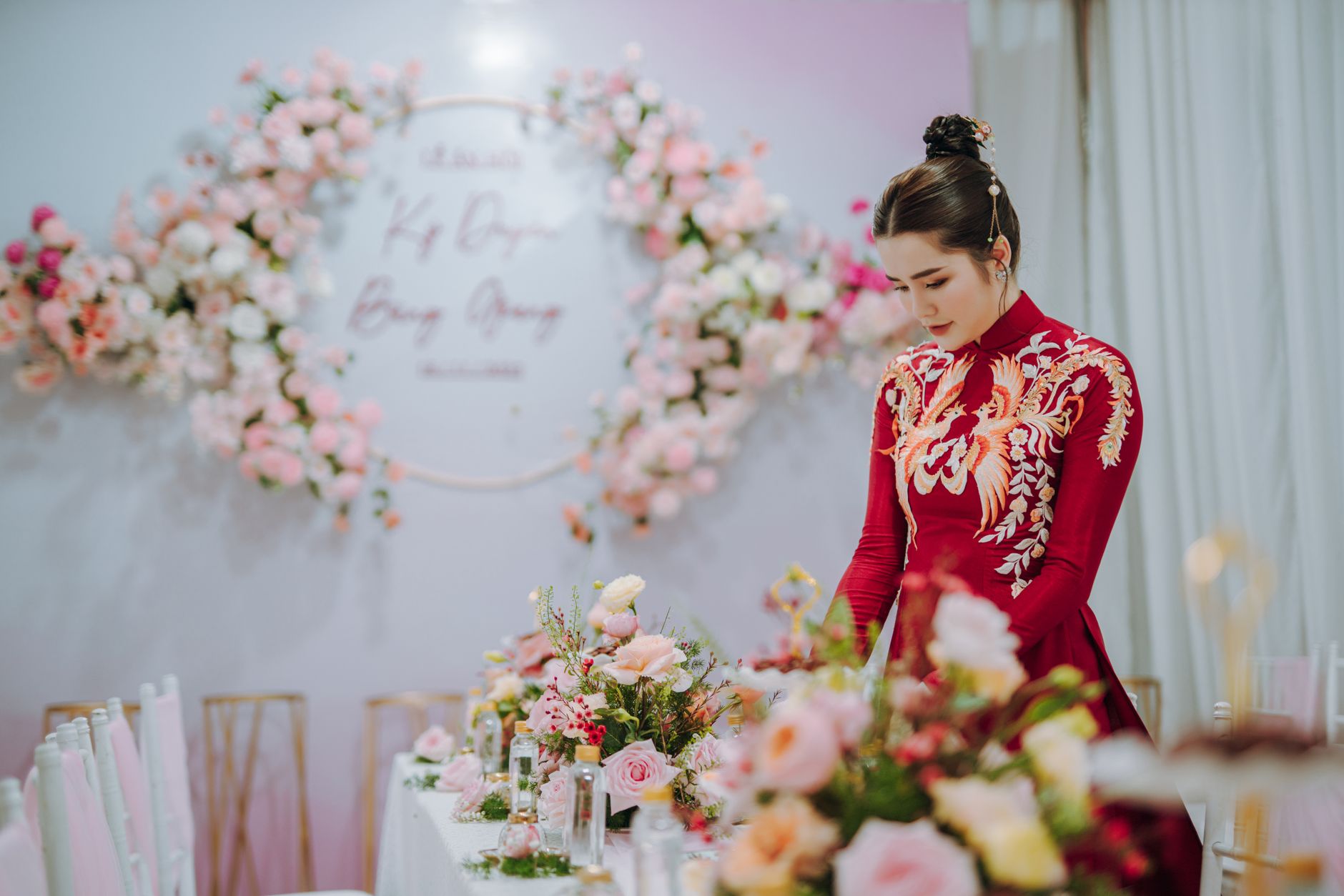
This is a crucial detail that many clients overlook. Does the decorator own their own inventory (chairs, tables, linens, props), or do they rent everything from third-party suppliers? There are pros and cons to both.
- In-House Inventory: Decorators with their own stock often have better quality control and can sometimes offer better pricing on those items. The risk is that their selection is limited to what they own. If they don’t have the specific ghost chairs you want, you’re out of luck.
- Third-Party Rentals: A decorator who relies on rentals has a virtually unlimited selection. They can source almost anything you can imagine. However, this introduces another layer of logistics and potential for error. If the rental company delivers the wrong linens, the decorator is left scrambling. A study from Cat-Man-Do, a major event supplier, notes that supply chain issues can impact rental availability, making a decorator’s network of suppliers critical.
A hybrid model is often best: a decorator who owns a solid base of core items and has established relationships with reputable rental companies for specialty pieces. Ask them directly: “What percentage of the items in this proposal do you own versus rent?”
5. Logistical & Technical Capacity
Great design is nothing without great execution. A decorator must have the logistical capacity to handle your event. This isn’t just about having enough staff; it’s about having the right expertise.
Consider these logistical factors:
- Team Size and Structure: Who will actually be on-site on your event day? Will it be the lead designer you’ve been meeting with, or a junior team? How large is their setup and teardown crew?
- Technical Knowledge: Modern event design often involves complex lighting, audio-visual integration, and even custom-built structures. Does the decorator understand power requirements, rigging safety, and how to collaborate with a technical crew? This is vital for corporate events with presentations or stage productions.
- Venue Policies: Experienced decorators know to ask about venue rules upfront. At Regal Castle, we have vendor-friendly policies, but every venue has guidelines on setup times, loading bay access, and what can be affixed to walls. A decorator who ignores this can cause damage and create last-minute emergencies.
Don’t just ask to see a decorator’s portfolio. Ask to see their production schedule for a past event of similar scale. The logistics plan is as important as the mood board.
Questions to Ask Before You Commit
Once you’ve shortlisted 2-3 decorators, it’s time for a detailed conversation. Here are the questions to ask to make your final decision:
- Can I see a full gallery of a wedding/event you decorated for around [Your Guest Count] guests?
- Have you worked at [Your Venue] before? If so, what are the biggest challenges or opportunities with the space?
- What is your process if a key item (like a specific flower or fabric) becomes unavailable?
- Who will be my main point of contact, and who will be on-site managing the setup on the day of the event?
- Can you provide a sample line-item quote so I can understand how you structure your pricing?
- What percentage of your inventory do you own versus rent from third parties?
- How do you handle last-minute changes or additions to the design plan?
- What are your payment terms and cancellation policy?
- Can you provide references from 2-3 recent clients who held events of a similar scale?
- What insurance do you carry? (They should have public liability insurance at a minimum).
Red Flags to Watch For
Spotting a bad fit early can save you a world of trouble. Be wary of:
- Vague Quotes: A lack of detail in a proposal suggests either inexperience or an intention to inflate costs later.
- Poor Communication: If they are slow to respond or dismissive of your questions during the sales process, imagine what it will be like when they have your deposit.
- No Contract: A professional decorator will always use a detailed contract outlining services, costs, and responsibilities. Never work with one who doesn’t.
- Over-promising: If a decorator immediately says “yes” to every wild idea without discussing budget or logistics, they may not understand the real-world constraints.
- Pressure Tactics: A reputable professional will give you space to make a decision. High-pressure sales tactics are a major red flag.
A Simple Decision Framework
Choosing a decorator isn’t just about finding the cheapest price or the prettiest portfolio. It’s about finding the right partner. Use this framework to weigh your options:
- If your priority is a unique, highly specific vision: Weight Portfolio/Style (Criterion #1) and Inventory (Criterion #4) highest. You need a decorator who shares your aesthetic and has access to the specific items you want.
- If your priority is budget control: Weight Pricing Transparency (Criterion #3) and Logistical Capacity (Criterion #5) highest. You need a decorator who provides detailed quotes and can execute flawlessly to avoid costly errors and overtime charges.
- If you are planning a large, complex event (500+ guests): Weight Logistical Capacity (Criterion #5) and Verifiable Experience (Criterion #1) hardest. For a large-scale event, proven experience and the ability to manage a large team are non-negotiable.
At Regal Castle, we understand that creating a memorable event involves many moving parts. While we provide the canvas with our versatile event spaces, the right decorator brings your vision to life. Some of our clients also take advantage of our event planning assistance to get recommendations for trusted vendors who understand our venue.
FAQ
How far in advance should I book an event decorator in Lagos?
For weddings and other large events, you should book your decorator 9 to 12 months in advance. The best decorators are often booked over a year out, especially for peak season dates. For smaller events, 3 to 6 months may be sufficient.
What is a reasonable budget for event decoration in Nigeria?
Decoration costs vary drastically based on guest count, venue size, and design complexity.
Do decorators handle lighting and sound?
Some full-service design companies do, but it’s more common for decorators to focus on aesthetics (florals, furniture, fabrics) and collaborate with a separate Audio-Visual (AV) company for technical production. Clarify this upfront. A decorator should at least be able to create a design that integrates well with the technical elements.
Can I use my own items with a decorator?
This depends on the decorator. Some are happy to incorporate personal items (like family heirlooms for a wedding), while others have policies against it due to liability and design cohesion concerns. Always discuss this with the decorator beforehand. Our vendor-friendly policies at Regal Castle mean we welcome decorators who are flexible with clients.
What is the difference between an event planner and an event decorator?
An event planner manages the entire event, including budget, timelines, vendor coordination (including the decorator), and overall logistics. An event decorator is a specialist vendor focused solely on the visual aesthetic and design of the event space. While we offer event planning assistance, it’s a distinct role from decoration.
Should I tip my event decorator?
While not always expected in Nigeria, a tip for exceptional service is a thoughtful gesture. Instead of a percentage, a flat amount for the lead designer or a small amount for each member of the on-site crew is a common practice. You can also show appreciation through a glowing online review, which is highly valued. A report from The Knot shows that reviews are a major factor for 89% of couples choosing their wedding vendors.