Choosing the right event security company in Nigeria is about more than just hiring uniformed bodies to stand at the door. It’s about risk mitigation, professional crowd management, and ensuring your guests’ safety from arrival to departure. A poor choice doesn’t just look unprofessional; it creates liability and can ruin an otherwise perfectly planned event. Finding a reliable event security company in Nigeria requires vetting their training, local experience, and ability to handle specific threats beyond simple gate-crashing. The best partners function as an extension of your own team, fully integrated into the event’s operational flow.
This guide outlines how to evaluate security providers in Nigeria. The companies and categories mentioned are based on a review of their stated services, local operational footprint in key areas like Lagos, and their capacity to handle diverse events from corporate gatherings to large-scale weddings. We analyzed their training claims, client testimonials, and specialized offerings like executive protection and partnerships with local authorities to create this framework.
Core Services: What to Expect
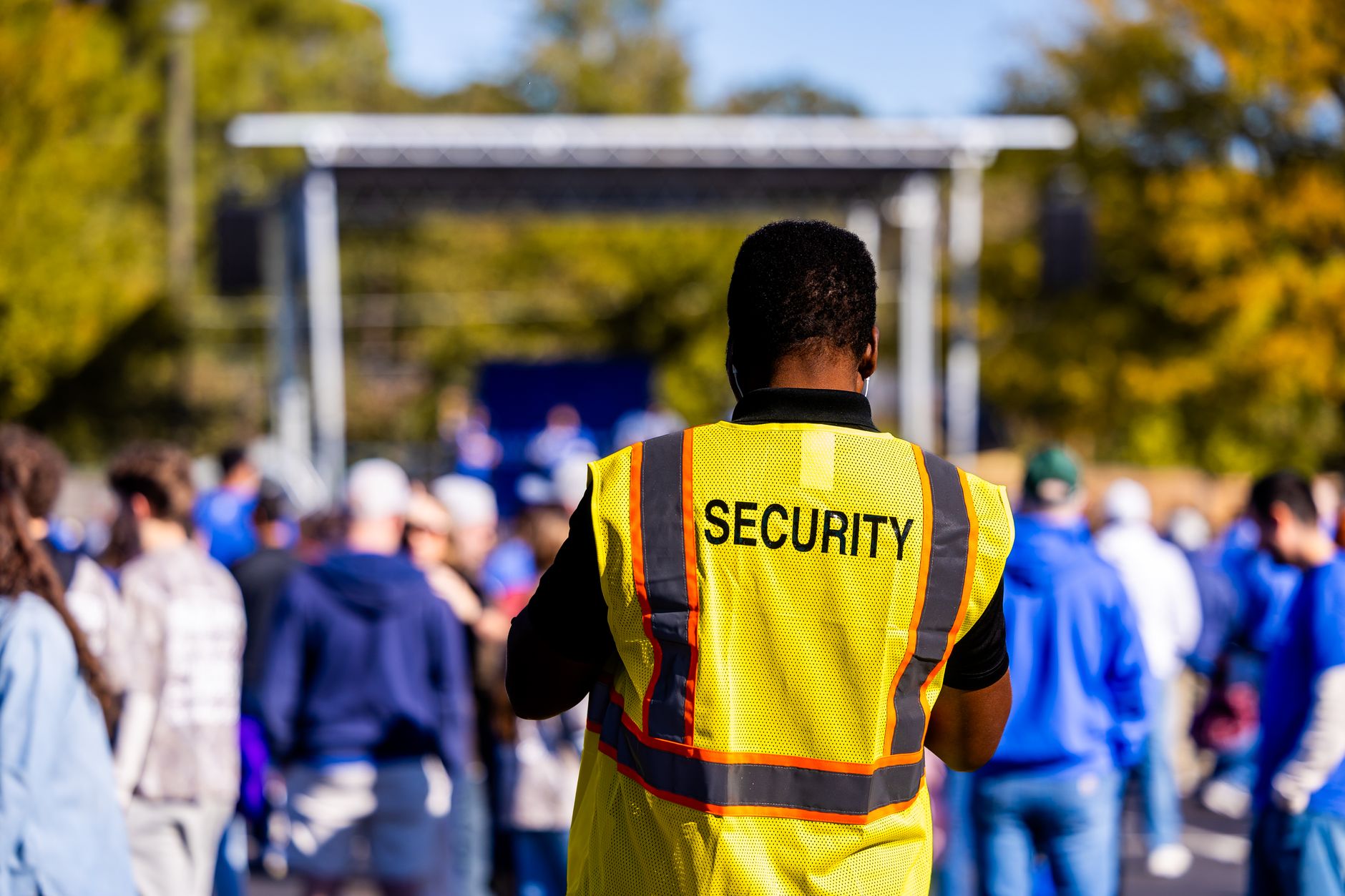
Not all security services are the same. A company that excels at guarding a warehouse might be completely lost at a high-profile wedding. For events, you need specific expertise. The foundational service is access control, which means ensuring only invited guests get in. This seems simple, but in a bustling environment, it requires a systematic approach to check invitations, manage lists, and politely turn away uninvited individuals without causing a scene. We have seen firsthand how a lapse here can disrupt even the most meticulously planned corporate events.
Beyond the gate, crowd management is critical, especially for events with 500-1000 guests like those we host. This involves monitoring guest flow, preventing overcrowding in specific areas like the bar or dance floor, and de-escalating potential conflicts before they begin. For high-stakes events, look for providers offering executive or VIP protection. This is a specialized skill set involving close protection for key individuals, secure transport coordination, and threat analysis specific to the person being protected. This goes far beyond having a large guard; it requires intelligence and discretion.
- Best for: Events with high-profile guests, complex logistics, or large attendance numbers where specialized skills are non-negotiable.
- Watch out for: Companies that only offer generic “guarding services” without detailing their event-specific training and protocols. Vague service descriptions are a red flag.
Vetting and Licensing: The Non-Negotiables
In Nigeria, security is a regulated industry. Any legitimate event security company must be licensed by the Nigeria Security and Civil Defence Corps (NSCDC). This is the absolute first question you should ask. If a provider cannot produce a current license, walk away. This license ensures they meet a baseline of government-mandated requirements for operation. Beyond the company license, inquire about the vetting and training of individual guards. Ask about their background check process and what kind of initial and ongoing training they receive.
Reputable firms will have a documented training program that covers more than just physical restraint. It should include customer service, emergency response protocols, communication techniques, and basic first aid. For example, our own commitment to providing professional security personnel means we partner with firms who can demonstrate this level of training. A well-trained guard understands they are an ambassador for your event, not just an enforcer. A 2021 study on private security in Nigeria highlighted the challenges in regulation and the importance of client-side due diligence in selecting a competent provider.
- Best for: All event types. There is no scenario where unlicensed or poorly vetted security is an acceptable risk.
- Watch out for: Hesitation or inability to provide a copy of their NSCDC license. Also, be wary of vague answers about personnel training like “our guards are the best” without specifics on the curriculum.
Local Experience and Coordination
Nigeria’s event landscape has unique challenges. A security provider that works primarily in Abuja may not understand the specific traffic patterns, local attitudes, and potential security hotspots in Lagos. When vetting a company, ask for specific examples of events they have secured in your city. For instance, managing a large wedding on Ikotun-Idimu Road in Lagos requires a different logistical approach than a corporate conference in Victoria Island. Experience in the local area is not a bonus; it’s a core competency.
Another critical factor is their relationship with local law enforcement. A professional security firm should have established protocols for coordinating with the Nigerian Police Force or other relevant agencies. This is crucial for large events or if a serious incident occurs. Their ability to serve as a calm, professional liaison can be invaluable. Some firms even offer services that help analyze and plan for these contingencies, which is a mark of a true security partner. As an organization offering event planning assistance, we know that this coordination is key to a smooth operation.
- Best for: Large-scale public events, festivals, and any event in a logistically complex area.
- Watch out for: Companies that cannot provide specific case studies or references for events similar to yours in the same city. A national footprint is less important than proven local success.
A security team isn’t an outside vendor you hire for the night. They are an integrated part of your event’s operational core. Their planning should start weeks before the first guest arrives, not when they show up at the door.
Technology and Advanced Solutions
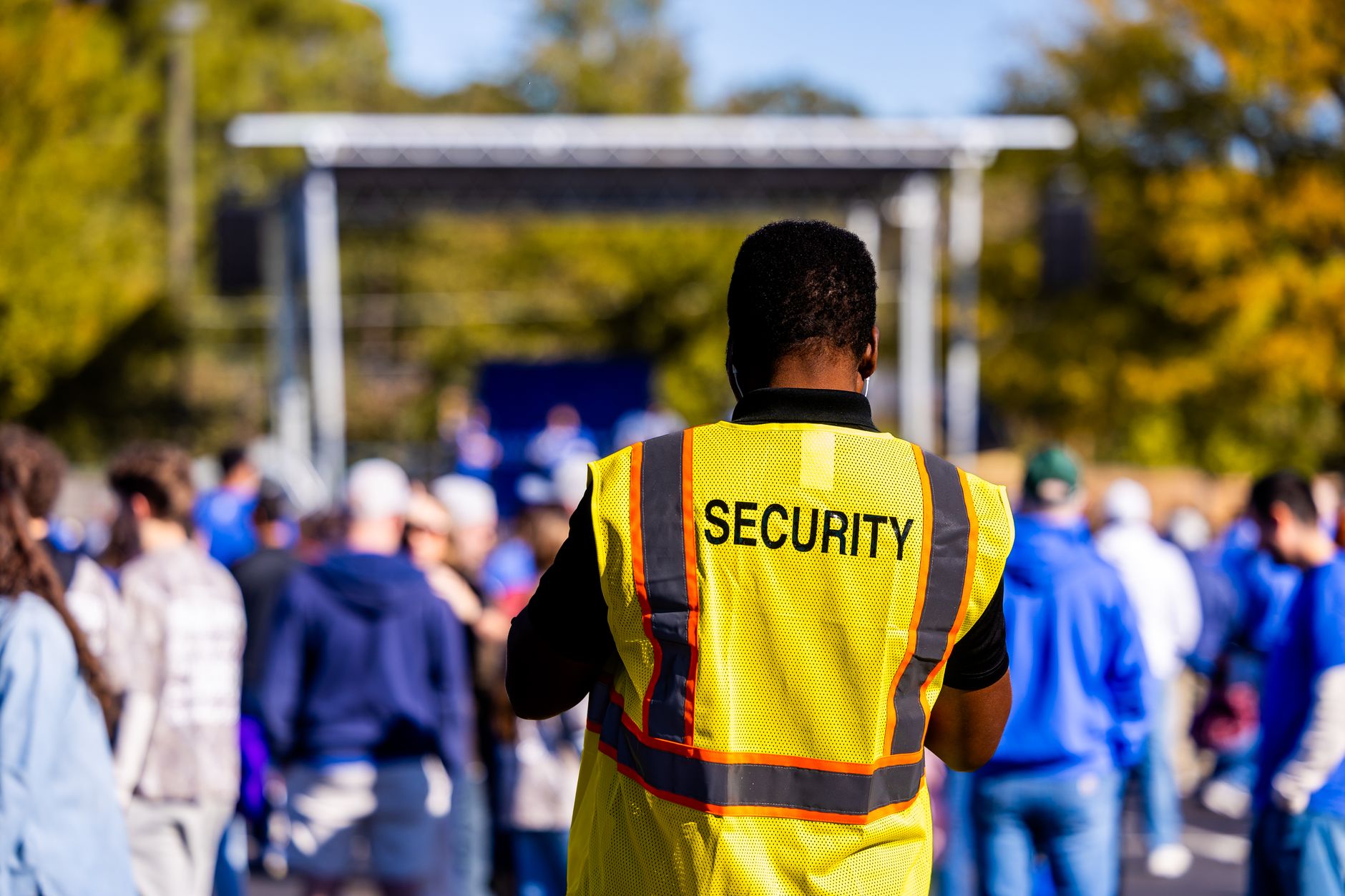
While well-trained personnel are the heart of any security operation, technology acts as a force multiplier. Modern event security can incorporate a range of tools to enhance safety and efficiency. The most common is surveillance technology. Our own venue is equipped with 24/7 CCTV surveillance, providing a complete overview of the premises. Many top-tier security firms can supplement this with their own mobile camera units for large outdoor events or to cover specific blind spots.
Communication is another area where technology is vital. How do guards communicate with each other and with a central command post? Professional teams use dedicated radio systems with earpieces, not their personal mobile phones. This ensures clear, private, and reliable communication, especially in crowded venues where mobile networks can be congested. Ask potential providers about their communication protocols and the hardware they use. The global physical security market is increasingly adopting integrated tech solutions for exactly this reason.
- Best for: High-security events, large venues, and events where real-time monitoring is critical.
- Watch out for: Firms that rely solely on manpower without any technological support. In 2026, this is an outdated and less effective approach.
Handling Specific Challenges in Nigeria
A generic security plan is not sufficient for Nigeria. Your chosen partner must demonstrate an understanding of the local context. This includes planning for everything from severe traffic congestion affecting guest arrivals to the potential for opportunistic crime. A key differentiator is a company’s ability to conduct a thorough pre-event risk assessment. This process should identify potential threats specific to your venue, guest list, and event type.
For example, securing a high-profile corporate event with prominent executives requires a different strategy than a large, open-to-the-public music festival. The former might focus on access control and executive protection, while the latter would prioritize crowd control and perimeter security. Companies like Aegis Security And Maximus Event Security In Lagos often highlight their ability to tailor plans to specific event profiles. Council (OSAC) on Nigeria provides valuable context on the general security environment that a professional firm should already be incorporating into their planning.
- Best for: Any event host who wants a security plan that is realistic and tailored, not a generic template.
- Watch out for: Providers who offer a one-size-fits-all solution without asking detailed questions about your event. This suggests a lack of sophisticated planning.
Don’t just ask a security company if they are licensed. Ask them to describe the last time their risk assessment changed the entire layout or flow of an event. Their answer will tell you if they are thinkers or just bodies.
Summary of Key Vetting Criteria
| Criteria | What to Look For | Red Flags |
|---|---|---|
| Licensing | Current NSCDC license for the company. | No license or an expired one. |
| Personnel Training | Documented training in customer service, emergency response, and de-escalation. | Vague claims of “highly trained” staff with no specifics. |
| Local Experience | Proven track record with similar events in your specific city (e.g., Lagos). | Cannot provide local references or case studies. |
| Technology | Use of professional communication gear (radios) and surveillance capabilities. | Guards using personal mobile phones for coordination. |
| Risk Assessment | A detailed process for identifying and mitigating event-specific risks. | A generic, one-page “security plan” for all clients. |
| Coordination | Established protocols for working with the Nigerian Police Force. | No clear chain of command for emergency situations. |
FAQ
What is the average cost of event security in Nigeria?
Costs vary significantly based on the event’s size, duration, risk profile, and the number of guards required. A small private party might cost a few hundred thousand Naira, while a large corporate event or concert could run into several million. Always get a detailed quote based on a proper risk assessment rather than a flat per-guard rate.
How many security guards do I need for my event?
There is no single formula, but a common starting point for low-risk events is one guard per 75-100 guests. For high-risk events or those with alcohol, the ratio should be much lower, perhaps one guard per 50 guests. The final number should be determined by the security company’s risk assessment, which considers factors like venue size, layout, and guest demographics.
Should the security guards be armed or unarmed?
For the vast majority of private events like weddings, corporate functions, and parties, unarmed guards are the standard and preferred option. Armed security is typically reserved for situations involving high-profile VIPs (executive protection) or high-risk environments and often requires special permits and coordination with police. Introducing firearms can escalate situations and increase liability unnecessarily.
How far in advance should I book an event security company?
For a major event, you should begin the vetting and booking process at least 3 to 6 months in advance. For a smaller event, 1 to 2 months may be sufficient. The best security companies are in high demand, and booking early ensures you get a professional team that has adequate time to plan properly.
What’s the difference between event security and venue security?
Venue security, like our 24/7 CCTV surveillance, is the permanent security infrastructure and personnel responsible for the building itself. Event security is a temporary, specialized team you hire specifically for the duration of your event to manage your guests and event-specific risks. The two should work in close coordination.
Can a security company help with more than just guards?
Yes, a full-service event security company can provide comprehensive planning services. This includes risk assessments, security consulting, emergency planning, and coordination with local authorities. Some also offer advanced services like K-9 units or cybersecurity for high-tech events. These services are what separate a basic guard provider from a true security partner.