Stop asking to see a wedding planner’s portfolio first. It’s a terrible way to start a conversation. To choose the right wedding planner, prioritize personality compatibility and communication style over their portfolio. While a beautiful portfolio shows past success, your wedding planning journey is about future collaboration. The best planner for you is someone who understands your vision, communicates in a way that reduces your stress, and has a problem-solving approach you trust. This compatibility in Lagos’s dynamic event scene is the true predictor of a successful and enjoyable wedding planning experience, much like knowing how to choose an event decorator.
As the Managing Director of Regal Castle Event Center, I’ve seen hundreds of weddings come through our doors. The smoothest, most joyful events weren’t necessarily run by the planner with the glossiest Instagram feed. They were run by planners who were true partners to their clients.
Why Portfolios Can Be Deceiving
A portfolio is a highlight reel. It shows you the triumphant final photo, not the chaos that was expertly handled 10 minutes before the bride walked down the aisle. It doesn’t show you the difficult family conversation the planner navigated, the vendor who almost cancelled, or the solution they found when a key decor element didn’t arrive from customs.
According to a 2023 report from Zola, 71% of couples find wedding planning more stressful than buying a home. A good planner’s primary job is to absorb that stress, not just create pretty tablescapes. You can’t see stress-absorption in a portfolio. You feel it in a conversation.
The planner’s portfolio shows you their past. Their communication style and problem-solving process show you your future. Choose your future.
Don’t get me wrong, aesthetics are important. But they are the final check, not the first filter. You need to know if you can work with this person for 12-18 months before you care about the color of the napkins they chose for a wedding in 2024.
The Value Proposition: What Do Planners Really Do?
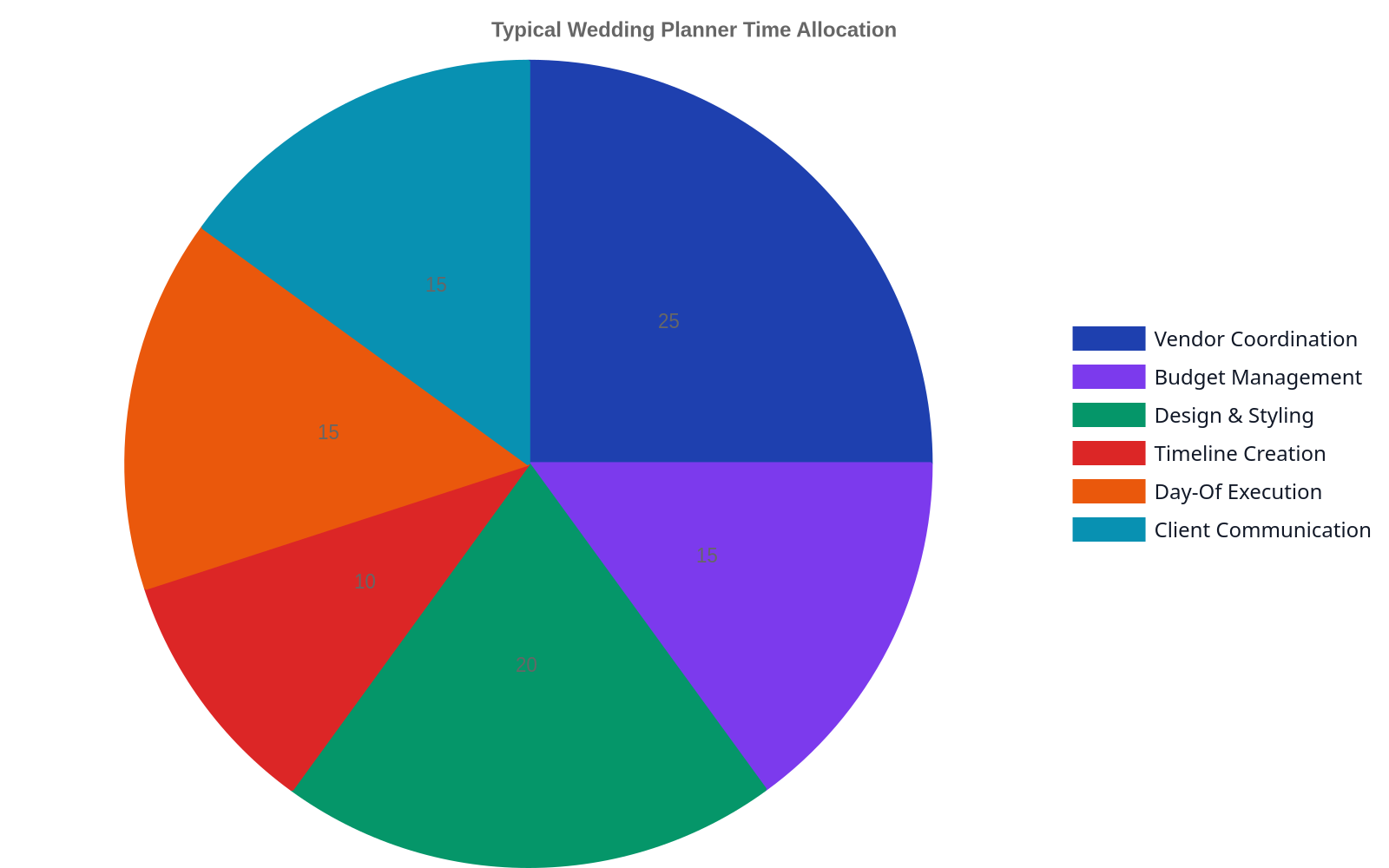
Many couples think a planner just picks out flowers and colour schemes. In reality, a great planner is a project manager, a financial controller, a logistics expert, and a therapist all rolled into one. Their work breaks down into a few main categories:
- Full-Service Planning: This is for the couple who wants a professional to guide them from the moment they say “yes” to the moment they drive away from the reception. The planner helps with everything: defining the vision, setting a budget, sourcing the entire vendor team, contract negotiation, and complete event management. They are your single point of contact.
- Partial Planning: Maybe you’ve already booked your venue (like ours in Lagos) and a few key vendors, but now you’re feeling overwhelmed. A partial planner steps in to take over where you left off. It’s a bespoke service based on what you need.
- Day-Of Coordination (a Misnomer): This is never truly “day-of.” This service usually starts 4-6 weeks before the wedding. The coordinator steps in to confirm your vendors, create a master timeline, and run the event on the day so you and your family can be present and enjoy it. Here at Regal Castle Event Center, we appreciate planners who have a handle on the timeline weeks in advance; it’s one of the reasons we have such lagos event space mistakes.
The real value is in the background. A planner’s brain is a database of which caterer can handle a 500-guest traditional Nigerian wedding without breaking a sweat and which photographer is best at capturing candid moments. They use project management software not just to tick boxes, but as a central hub to keep you, the vendors, and the venue all on the same page.
The Cost of a Wedding Planner: Is it Worth It?
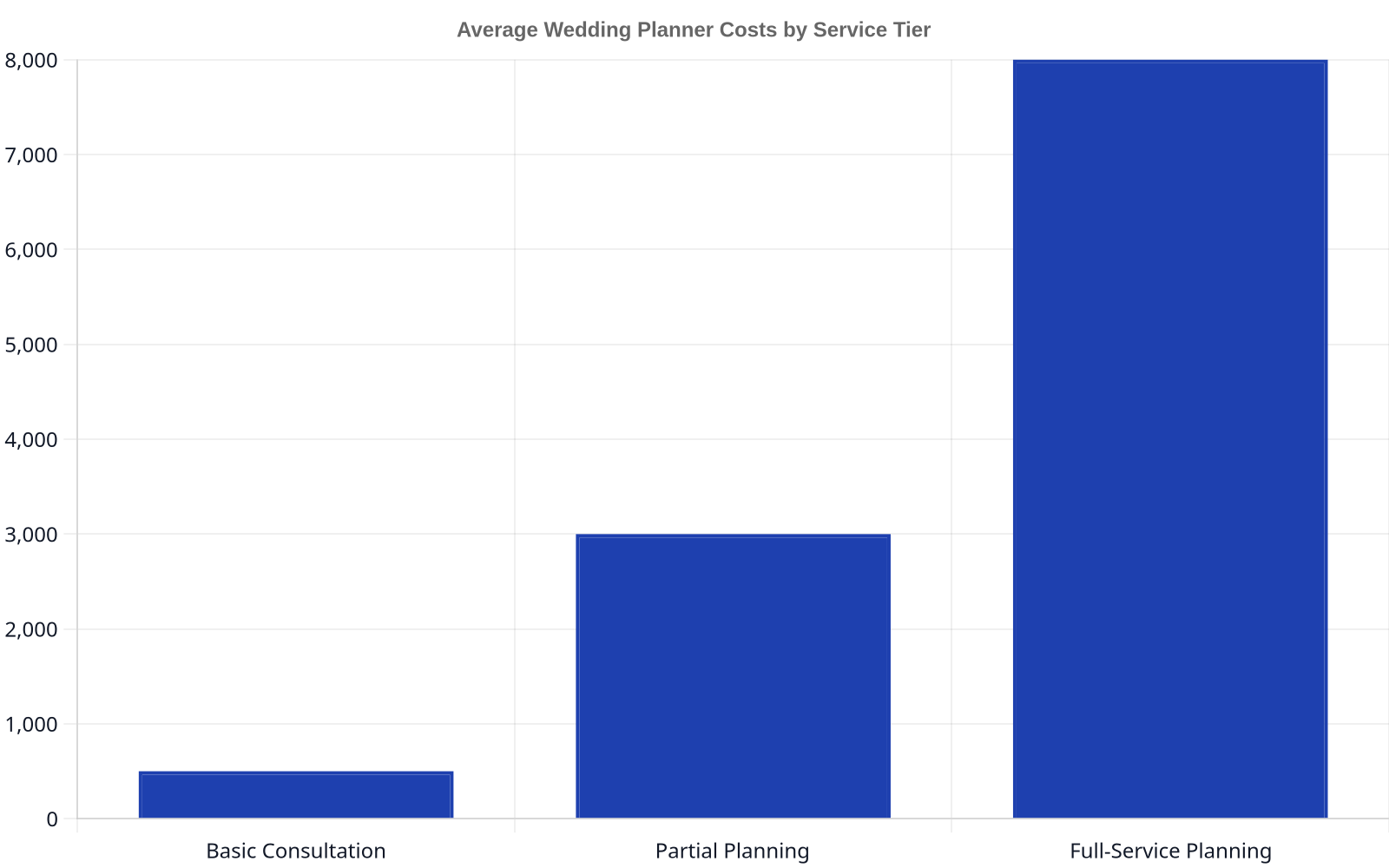
Let’s talk about money. In Nigeria, wedding planner fees can range dramatically, from a few hundred thousand Naira for day-of coordination to several million for comprehensive, full-service planning for a large-scale luxury wedding. Many planners structure their fees as a percentage of the total wedding budget (often 10-20%) or a flat fee.
Is it worth it? A good planner doesn’t just cost money; they save you money. They do this by:
- Negotiating better rates. They have long-standing relationships with vendors and can often secure terms you wouldn’t get on your own.
- Preventing costly mistakes. They know which corners you can’t cut and where you can find savings that don’t impact the guest experience. This is crucial for anyone trying to reduce event expenses.
- Realistic Budgeting. They will help you build a budget based on your priorities and current market rates, not a fantasy number from a blog post. This prevents the painful budget creep that plagues so many weddings.
Think of the fee not as an expense, but as an investment in a smoother process and a better outcome. The peace of mind that comes from knowing an expert is managing the countless details is priceless.
The Real Interview: Questions That Reveal Everything
Once you have a shortlist of planners, it’s time for the interview. Throw out the generic questions. Instead, ask questions that reveal their process, personality, and problem-solving skills.
- Instead of: “What’s your creative process?”
- Ask: “Our vision is [describe your vision briefly]. We’re struggling with how to merge my family’s desire for a traditional element with our modern style. How would you start helping us solve that?”
- Instead of: “Have you worked at our venue before?”
- Ask: “Tell me about a time you had a major disagreement with a vendor or venue. How did you handle it, and what was the outcome?”
- Instead of: “Can you get us discounts?”
- Ask: “Here is our estimated budget of ₦XX. How would you approach allocating it to our top priorities, which are [Priority 1, Priority 2]?”
Red Flags and Contingency Plans
This is also the time to probe for potential issues. Ask these directly:
- “What is the contingency plan if you are sick or have a personal emergency on our wedding day?” (A professional will have a named backup planner they trust.)
- “How do you handle changes or disagreements about the vision midway through planning?” (Look for a process-oriented answer, not an emotional one.)
- “How do you ensure our cultural/religious traditions are respectfully and accurately incorporated?”
A planner who gets defensive or gives vague answers to these questions is a major red flag. You are hiring for trust and expertise. As an authority from the Project Management Institute notes, event planning requires best practices that go far beyond just picking pretty things.
The most important element a planner brings isn’t creativity, it’s trust. Neuroscience shows that trust is the foundation of effective collaboration, and planning a wedding is one of the biggest collaborations of your life.
Acknowledging the Portfolio
So, after all this, when do you look at the portfolio? Right at the end. Once you’ve found someone you connect with, someone whose process you trust, and someone who understands your vision, then you look at their work. The portfolio becomes a final, joyful confirmation: “Great, we love your approach, and your style is exactly what we’re looking for.”
Viewing the portfolio last transforms it from a potentially misleading filter into a confident closing step. It confirms they can deliver the aesthetic you desire, but only after you’ve confirmed they are the partner you need for the journey.
After hosting countless weddings at our venue, I can tell you this approach works. The couples who enjoy their engagement the most are the ones who hire a planner they genuinely like and trust. Focus on the person, not just the pictures. Your wedding day will be better for it.
Frequently Asked Questions
When is the best time to hire a wedding planner?
For a full-service planner, hire them as soon as you get engaged, even before you book a venue. Their expertise can be invaluable in selecting the right location. For partial or day-of coordination, you can wait until about 6-8 months out, but the best planners get booked up to 18 months in advance.
How much should I budget for a wedding planner in Lagos?
This varies widely. Always get a detailed proposal outlining what their fee includes. According to sources, this fee often pays for itself in vendor savings and avoided mistakes.
What’s the difference between a wedding planner and a venue coordinator?
This is a critical distinction. I see this confusion all the time. As a venue, our coordinator works for Regal Castle. Their job is to manage everything related to our venue: bookings, our staff, our facilities, and making sure our contractual obligations are met. A wedding planner works for you. They manage your entire event, including all the external vendors, your timeline, and your budget. They are your personal advocate.
What are the biggest red flags when choosing a wedding planner?
Watch out for planners who don’t listen, who push their vision over yours, or who are vague about fees and contracts. Another red flag is a planner who badmouths other clients or vendors. A professional maintains strong, respectful relationships throughout the industry.
What if I don’t get along with the vendors my planner suggests?
A good planner should present you with 2-3 vetted options for each vendor category that fit your budget and style. If you don’t click with any of them, they should be willing to go back to the drawing board. They are your agent, and the final decision is always yours. Their job isn’t to dictate, it’s to guide.
How will a planner help me stick to my budget?
A planner will create a detailed budget breakdown from the start. They will track all your spending, give you reminders when payments are due, and advise you on where you can save and where you should invest. This financial oversight is one of the most valuable parts of their service. Using a solid solid event planning checklist is a key part of this process.