The primary factor making a traditional Nigerian wedding more expensive than a white wedding is the number of events and cultural obligations. A traditional wedding is rarely a single day, often involving an introduction, an engagement ceremony, and the wedding day itself, each with its own costs. White weddings are typically a single-day event. While a 2026 Zola report notes the average wedding cost is around $36,000 (over ₦50 million), a Nigerian couple hosting both traditional and white ceremonies can expect their total expenditure to significantly exceed this figure due to duplicated costs for venue, catering, and attire across multiple days.
If You Have 60 Seconds: Which to Choose?
- Choose a Traditional Wedding if your priority is honoring deep-rooted cultural heritage, celebrating with a large community, and engaging in time-honored family rituals. Be prepared for a higher and less predictable budget.
- Choose a White Wedding if you prefer a streamlined, Western-style celebration with more control over the guest list, a single day of events, and a more structured, predictable budget.
- Choose a Hybrid Wedding (both) if you want to honor both cultural and modern sensibilities and have the financial and planning capacity for two distinct celebrations. This is the most common, and most expensive, path for Nigerian couples.
| Feature | Western-Style “White” Wedding |
|---|---|
| Primary Goal | Celebrating the couple’s union. |
| Cost Driver | Venue, high-end vendors, single elaborate gown. |
| Guest List | Typically smaller and by-invitation-only. |
| Attire | One primary wedding gown and tuxedo/suit. |
| Ceremony | Led by a religious or civil officiant. |
| Best Feature | Structured, personal, and often more intimate. |
| Watch Out For | High per-head costs and pressure for social media-worthy aesthetics. |
| Food Service | Plated dinners or curated buffets for a set number of guests. |
Traditional Wedding vs. White Wedding: A Cost Breakdown
| Cost Category | Traditional Wedding (Typical Range) | White Wedding (Typical Range) | |
|---|---|---|---|
| Venue | Negotiable, often family land/event hall | Rental fees for event centers/churches | |
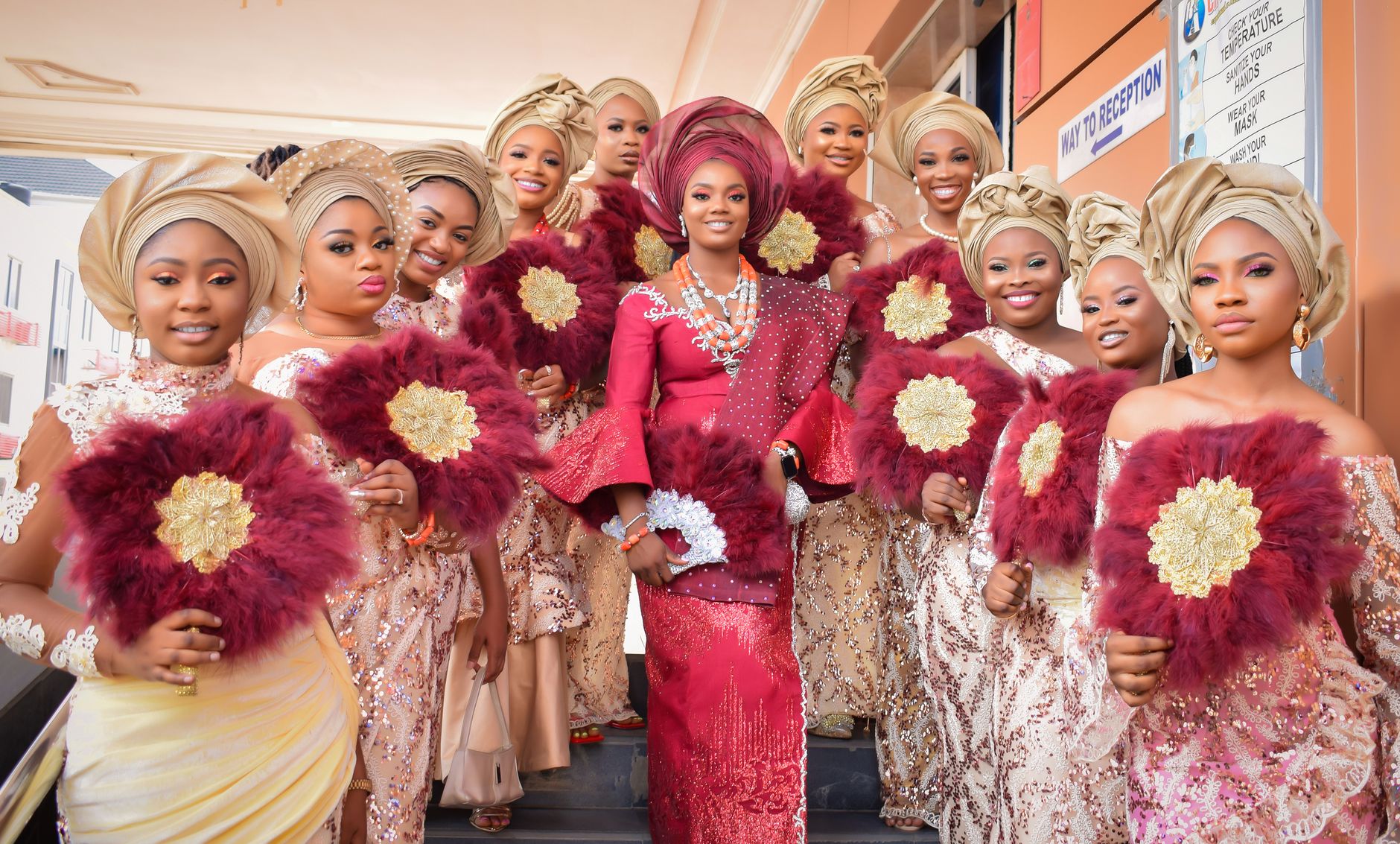
| Attire | Aso-ebi, cultural garments | Wedding gown, suits | |
| Catering | Local delicacies, larger guest count | International cuisine, often plated service | |
| Decor | Simple to elaborate, cultural elements | Modern, floral, themed decorations | |
| Entertainment | Live bands, cultural performers, DJ | DJ, live band, sometimes MC | |
| Photography/Videography | Standard packages | Premium packages, pre-wedding shoots | |
| Miscellaneous | Gifts for elders, kola nuts, drinks | Wedding planner, favors, stationery |
When comparing the costs, it’s not about one item-for-item price difference. The entire structure and philosophy of the events are different. A traditional wedding is a communal, family-uniting festival. A white wedding is a couple-centric party. This core difference dictates where the money goes.
Reports from sources like WeddingWire show many couples spend close to $30,000 (as of September 2026)(around ₦45,000,000) on just the ceremony and reception. For Nigerian couples planning a hybrid wedding, this figure can apply to each major event, effectively doubling the core budget before even considering attire and other costs.
Analyzing the Costs of a Nigerian Traditional Wedding
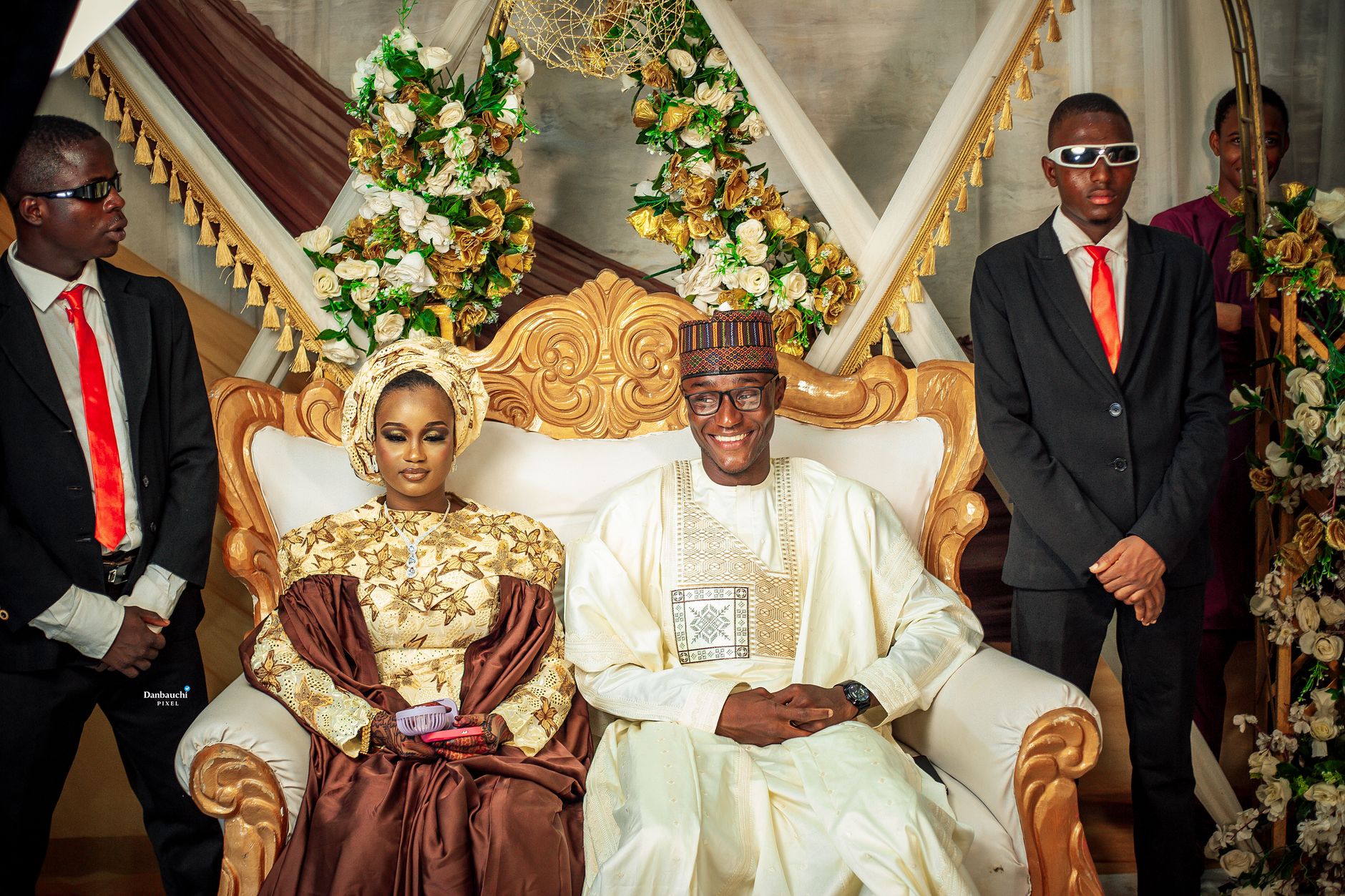
A Nigerian traditional wedding’s budget is complex because it blends financial transactions with cultural gifting and community hosting. The costs are fluid and can expand based on family status and expectations.
Bride Price and Dowry Lists
The “bride price” or dowry is perhaps the most misunderstood component. It is not a purchase of a bride. It’s a symbolic and highly variable practice that demonstrates the groom’s commitment and appreciation to the bride’s family. The cost can range from a token amount to significant sums and, more importantly, a long list of required gifts. This list can include everything from tubers of yam and goats to suitcases and fabric wrappers for different family groups (like the Umu Ada in Igbo culture). The negotiation and fulfillment of this list is an event in itself and a major budgetary item.
Multiple Events and Compulsory Attire
Unlike a white wedding’s single day, a traditional wedding can span several events:
- The Introduction: The groom’s family formally visits the bride’s family to state their intentions. This is a small-scale event but still requires hosting, gifts, and specific attire.
- The Engagement/Traditional Ceremony: This is the main event. Here, the bride price is paid, and the marriage is culturally sealed. It requires a large venue, full-scale catering, and elaborate traditional outfits for the couple and their families. Many couples change outfits two or three times.
Then there is Aso Ebi, the uniform fabric worn by friends and family. While guests purchase the fabric themselves, the coordination and distribution add a layer of complexity. An article in The Guardian Nigeria highlights the deep cultural and economic role Aso Ebi plays in Nigerian celebrations.
Catering for the Community
Guest lists for traditional weddings are notoriously difficult to control. It’s often considered an open invitation for the community to celebrate. A planned event for 500 can easily swell to 700 guests on the day. This makes catering the single biggest variable. You are not just feeding a curated list of friends; you are hosting a town. A venue with a large capacity, like Regal Castle’s ability to host 500-1000 guests, is essential. The budget must account for a significant buffer for food and drinks.
The moment you send out invitations for a traditional wedding, you’ve only accounted for half the guests. The other half will arrive with the spirit of celebration, and you must be prepared to feed them.
Deconstructing the Costs of a White Wedding
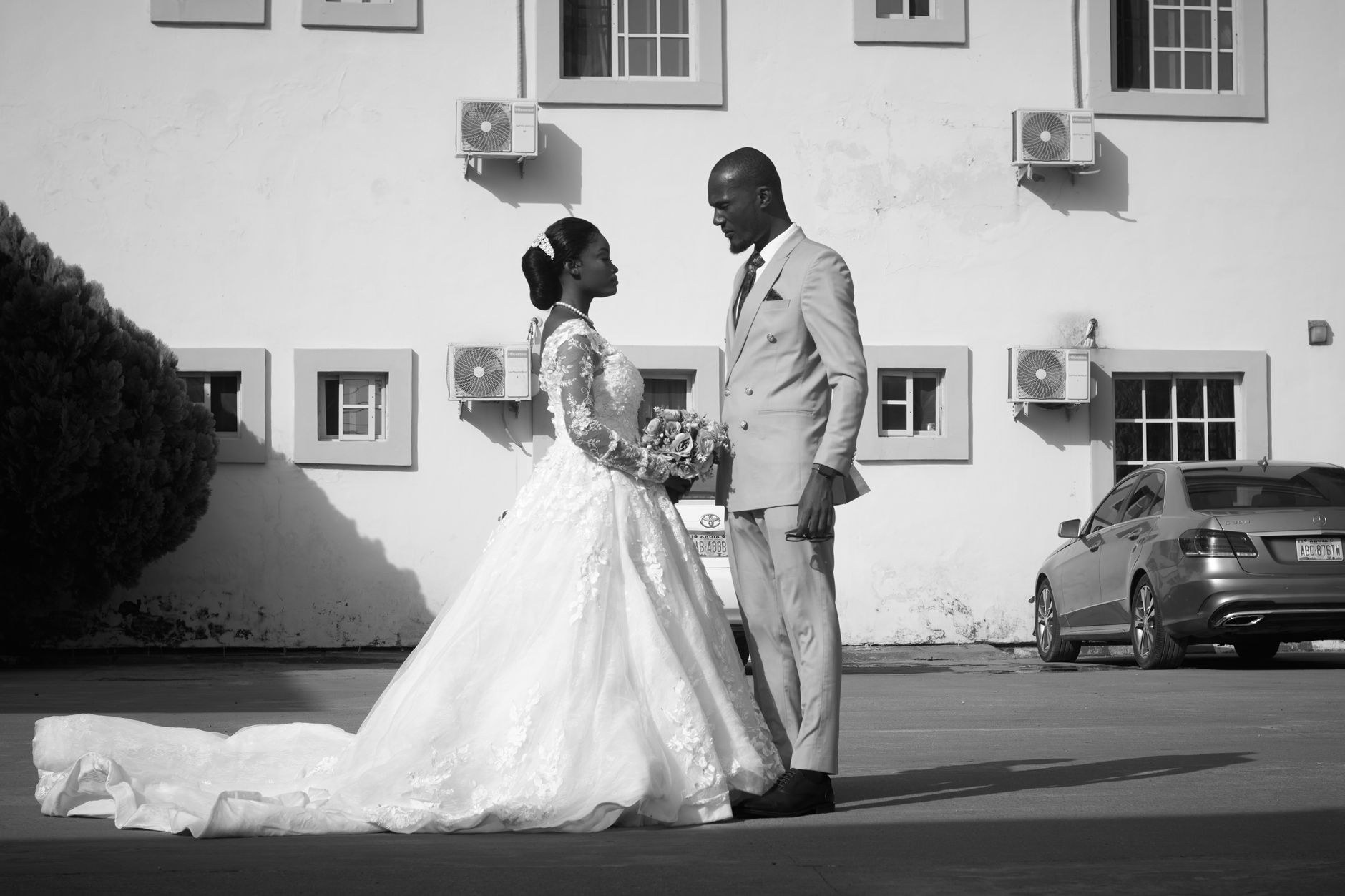
A white wedding follows a more globally recognized format, which makes its costs more predictable. The budget is built around per-head costs and fixed vendor fees.
The Venue: The Biggest Ticket Item
For a white wedding in Lagos, the venue is typically the largest single expense, often accounting for 40-50% of the total budget. The price is driven by location, capacity, and included amenities. A venue located on a major road like Ikotun-Idimu Road offers accessibility, but the real value comes from what’s included. Does it have a dedicated bridal suite for preparation? Are tables, chairs, and basic lighting part of the package? These inclusions prevent a cascade of rental fees later.
The Gown and Formalwear
While a traditional wedding involves multiple outfits, a white wedding focuses on one statement piece: the wedding gown. Designer gowns can cost millions of Naira. This is supplemented by the groom’s suit or tuxedo, bridesmaid dresses, and groomsmen’s attire. While the total number of outfits is lower than a traditional ceremony, the cost per item can be substantially higher.
Controlled Guest Lists and Plated Dinners
The RSVP is king at a white wedding. Catering costs are calculated per head based on confirmed guests. This is the single biggest cost-control advantage over a traditional wedding. If you have a budget for 200 guests, you pay for 200 guests. This predictability allows for more elaborate menu choices, such as plated dinners, which are often impractical for the massive crowds at a traditional event.
Vendors and Aesthetics
Photography, videography, floral arrangements, and a DJ or live band are standard for both wedding types. However, the aesthetic pressure for a white wedding can be immense, driven by social media platforms like Instagram and Pinterest. This can lead to higher spending on decor and videography to capture a specific, polished look. Couples often allocate a significant portion of their budget to vendors who can deliver a high-end, cinematic feel, a key part of modern Nigerian wedding planning.
The Hybrid Wedding: Planning for Two Celebrations
For the vast majority of Nigerian couples, the question isn’t “traditional or white?” but “how do we afford both?” The hybrid model, celebrating yoruba wedding traditions one day and holding a church and reception the next, is the standard. This means you are essentially funding two complete weddings.
Financial discipline is critical. Key strategies include:
- Use One Venue for Multiple Events: Find a venue with flexible spaces. Our beautiful ceremony and reception areas can be configured for a traditional engagement on a Friday and a white wedding reception on Saturday, saving you the complexity and cost of dealing with two locations.
- Re-use Vendors: Contract your photographer, caterer, and planner for both events to get a package deal.
- Prioritize ruthlessly: If the traditional ceremony is the main event for your families, allocate more budget there and scale back the white wedding reception, or vice-versa.
Verdicts: Which Wedding Style Fits Your Budget?
Your choice depends on what you value most: cultural immersion or budgetary control. The final decision is a negotiation between your desires, your families’ expectations, and your financial reality.
Choose a Traditional Wedding if…
Your primary goal is to celebrate your heritage and unite your families in a culturally significant way. You have a budget that can absorb the costs of a large, unpredictable guest list and multiple associated events. You value community participation over a curated guest experience. You see the various rituals and gift exchanges as a meaningful investment in your new extended family.
Choose a White Wedding if…
You want a celebration that is focused on you as a couple, with a defined beginning and end. You need predictable costs and a firm grip on your budget. Your ideal wedding is a beautifully styled party with your closest friends and family, rather than a large community festival. You prefer the simplicity of a single event and a single, stunning outfit.
A wedding budget isn’t just a spreadsheet; it’s a list of your priorities. The most expensive line item is the one you care about most, whether that’s feeding 1,000 relatives or a designer gown for 100 friends.
Choose a Hybrid Wedding if…
You, like most modern Nigerian couples, want to honor both your heritage and your personal style. You recognize this means planning and funding two distinct events and are prepared for the financial commitment. You are ready to have honest conversations with your families about how to balance tradition with a realistic budget for what is effectively a wedding weekend.
Hidden Costs and Essential Budgeting Tips
Regardless of the style, weddings have hidden costs. Being aware of them is the first step in finding a wedding venue and vendors that won’t surprise you.
- Vendor Meals: Your photographer, planner, and DJ need to eat. This is a real cost.
- Overtime Fees: If your party runs late, your venue and vendors will charge for the extra time.
- Taxes and Service Charges: A 20% charge on top of your catering bill of ₦5,000,000 is an extra ₦1,000,000. Read the fine print.
- Power: In Lagos, consistent power is not a given. A venue that provides its own backup power for uninterrupted celebration saves you from the cost (and disaster) of renting a generator last minute.
- Logistics for Rural Ceremonies: If your traditional wedding is in a village, you must budget for transporting vendors, equipment, and supplies.
Frequently Asked Questions
How much does a bride price cost in Nigeria?
There is no fixed cost. It is a symbolic gesture and varies dramatically based on ethnicity, family customs, and what is being requested on the dowry list. It’s a series of gifts, not a single cash payment. The process and gifts are a more significant financial consideration than a single “price.”
Can I have a traditional and white wedding on the same day?
Yes, but it is a logistical marathon. It requires an early start for the traditional rites, followed by a quick change for a church ceremony and then a reception. Most couples opt for consecutive days (e.g., Friday and Saturday) to allow everyone, especially the couple, to breathe and enjoy each event fully.
What is Aso Ebi and does it save guests money?
Aso Ebi is a uniform fabric chosen by the family for guests to wear, creating a beautiful, cohesive look. It does not save guests money. Guests are expected to purchase the fabric from the couple and then pay a tailor to sew it. It is a cost of attendance, but one that most are happy to bear to show support.
How much should I budget for a wedding in Lagos?
Costs vary wildly, but for a large wedding, it’s wise to be prepared for significant figures. Drawing from international averages, which a report from Zola puts at around $36,000, a budget of ₦45,000,000 to ₦60,000,000 for a sizable hybrid wedding in Lagos is a realistic starting point for 2026.
What’s the biggest cost difference between the two wedding types?
The biggest cost differences stem from the guest count and the number of events. Traditional weddings have larger, less controllable guest lists and often involve multiple ceremonies. White weddings have more predictable costs due to fixed guest lists and a single-day structure.
Ultimately, whether you choose a traditional ceremony rich with cultural nuance, a chic white wedding, or the popular hybrid model, the goal is the same: to begin a new life together. The right choice is the one that reflects your values as a couple and starts your marriage on a foundation of joy, not financial stress. When you’re ready to explore what’s possible for your celebration, we invite you to see how our venue can fit your vision.