Beyond a Party: A Complete Guide to the Yoruba Traditional Wedding Event
Many people think a wedding is just a single day. You show up, say your vows, eat, dance, and go home. That is not the Yorubatraditionalwedding) way. A Yoruba traditional wedding event is not a singular moment; it’s a vibrant, multi-stage cultural process that formally unites two families, not just the couple. It involves a sequence of rituals including the family introduction (Ìdáná), the formal engagement (Ìgèyàwó) featuring the bride price (Erù Ìyàwó), and celebratory feasts. Key elements include the radiant traditional attire like Aso-Oke, the pivotal roles of the spirited MCs known as the Alága, and symbolic gestures like prostration, all set against a backdrop of exuberant music and dance.
The Soul of the Celebration: History and Cultural Significance
A Yoruba traditional wedding, or Ìgèyàwó, is one of the most culturally rich and vibrant ceremonies in Nigeria. It goes far beyond the legalities of marriage; it is a public declaration and celebration of a covenant between two families. The entire event is steeped in history, reflecting the Yoruba people’s deep respect for family, elders, and community. According to a study on Yoruba marital rites, the process emphasizes that marriage is a collective responsibility, not an individual affair. Every step is deliberate, designed to test the groom’s maturity, the bride’s preparedness, and the families’ commitment to one another.
It’s Not Just a Union, It’s a Clan Merger
The fundamental principle of a Yoruba wedding is that a person doesn’t marry an individual; they marry into a family. This belief shapes every aspect of the ceremony. Before any wedding plans commence, the groom’s family must formally visit the bride’s family to state their intentions. This first meeting, often called the “introduction” or Ìdáná, is a crucial first step. It is where the families get acquainted, ask questions, and give their preliminary consent. This isn’t a mere formality—it’s the foundation upon which the entire marriage is built. As a venue at the heart of Lagos, we’ve witnessed countless families begin this beautiful journey, transforming a simple meeting into a lifelong bond.
The Spiritual and Symbolic Undertones
While deeply cultural, the ceremony is also interwoven with prayers and blessings, invoking God (Olódùmarè) and the ancestors to guide the new couple. Each item presented in the bride price has a specific symbolic meaning, representing prayers for a sweet, fruitful, and prosperous life. The honey, for instance, symbolizes sweetness and joy in the marriage. The alligator pepper represents a prayer for a fruitful union with many children. These aren’t just gifts; they are physical manifestations of the families’ hopes and blessings for the couple’s future.
Phases of a Yoruba Traditional Wedding

The Yoruba traditional wedding isn’t a single-day affair. It’s a process with distinct, meaningful stages. Understanding these phases is key to appreciating the depth of the ceremony.
The Introduction (Ìdáná): The First Handshake
This is the initial, formal meeting between the two families. The groom, accompanied by his father and other relatives, visits the bride’s family. Though less elaborate than the engagement itself, the Ìdáná is vital. It’s where the groom’s family officially requests the bride’s hand. A date for the main engagement ceremony (Ìgèyàwó) is usually set during this meeting. In modern Lagos, this is often a small, intimate event, but its significance is massive.
The Engagement (Ìgèyàwó): The Main Event
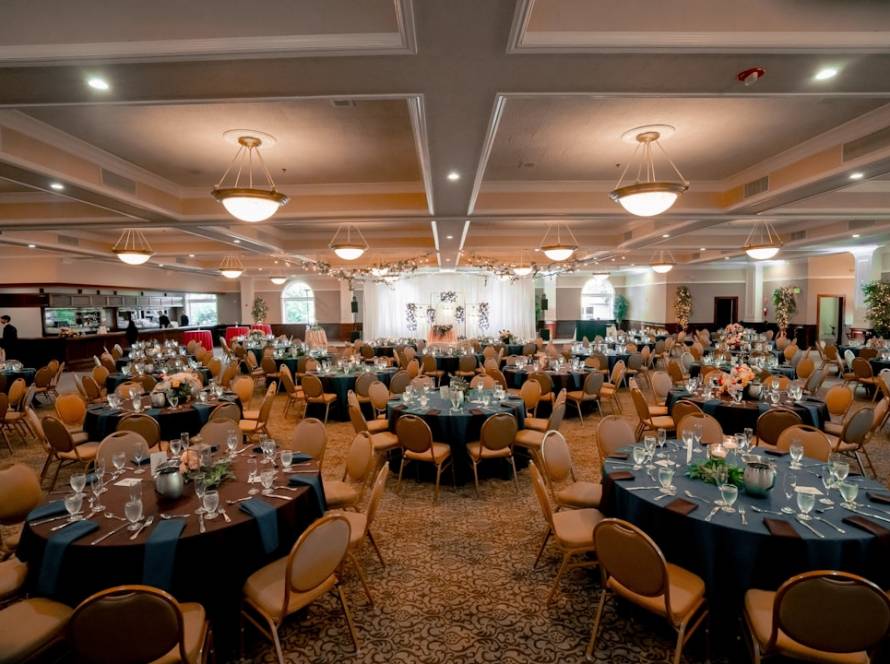
This is the main public ceremony and what most people recognize as the Yoruba traditional wedding event. It’s a grand affair filled with color, music, and elaborate rituals, often hosted at a dedicated event center. Here, the bride price is presented, the symbolic rites are performed, and the couple is formally joined in the presence of their community. Our experience hosting Weddings has shown us that this ceremony is truly the heart of the celebration, a spectacle of culture and joy.
Post-Wedding Rites: The Bride’s Arrival at Her New Home
Traditionally, after the engagement ceremony, the bride is escorted to the groom’s family home. Upon arrival, she is not simply walked in. Often, her feet are washed—a symbolic gesture of welcome, cleansing her of any past misfortunes and ushering her into a new, blessed life with her husband’s family. This act solidifies her acceptance into the new family and marks the true beginning of her new role as a wife.
The Key Players: Roles and Responsibilities
A Yoruba wedding is a theatrical production with a full cast of characters, each playing a critical role.
The Masters of Ceremonies: Alága Ìjókòó and Alága Ìdúró
The event is anchored by two key individuals: the Alága Ìjókòó (the sitting master of ceremony), representing the bride’s family, and the Alága Ìdúró (the standing master of ceremony), for the groom’s family. These are not your typical wedding MCs. They are professional orators, praise-singers, comedians, and cultural custodians all rolled into one. They guide the entire ceremony, from negotiating the bride price (often in a playful, dramatic manner) to introducing the families and orchestrating the rituals. A good Alága can make or break the event; their energy and expertise are central to the day’s success.
The Indispensable Role of Family
The parents of the bride and groom are central figures. Their approval and blessings are paramount. Throughout the ceremony, they are honored and revered. Extended family members also play significant roles, acting as spokespeople and witnesses. The entire spectacle is a testament to the Yoruba proverb, “Ení kan kì í jé àwá dé,” meaning “One person cannot say ‘here we are’.” It takes a collective.
The Support System: Aso-Ebi and Friends
Aso-Ebi, which translates to “family cloth,” is a uniform fabric worn by friends and family members to show solidarity and support for the couple. Seeing groups of guests dressed in matching vibrant colors and styles is a signature feature of any Nigerian wedding. This practice showcases unity and adds to the visual splendor of the day. The couple’s friends, especially the Ore-Ìyàwó (bride’s friends), also form a key part of the procession and festivities.
The Engagement Ceremony: A Step-by-Step Guide
The Ìgèyàwó itself follows a well-defined order of events, managed expertly by the Alágas.
- Arrival of the Groom’s Family: The ceremony begins with the groom’s family arriving at the venue, often with singing and dancing. They are typically made to wait at the entrance until they have “paid” a gate fee, a playful fine for being “late” to claim their bride.
- The Proposal and Prostration: The groom and his friends enter and must prostrate fully on the ground (Ìdobálè) before the bride’s parents as a sign of deep respect. This act is repeated for the groom’s own parents. This isn’t just a bow; it’s a complete, face-down gesture of honor.
- Reading of the Letters: Formal proposal and acceptance letters are exchanged and read aloud by a younger member of each family, such as a sister of the bride. This is a beautiful blend of oral tradition with modern literacy.
- Presentation of the Bride Price (Erù Ìyàwó): The Alága for the groom’s side presents the meticulously wrapped gifts that form the bride price. Each item is announced and its symbolism explained.
- The Bride’s Entrance: The bride makes her grand entrance, veiled and escorted by her friends and female family members. She dances in, acknowledging the guests and both sets of parents by kneeling before them for their blessings.
- The Unveiling and Acceptance: The groom unveils his bride. She is then asked to pick her husband from the crowd, and she is given the groom’s cap (fila) to place on his head, signifying her acceptance of his proposal.
- Blessings and Prayers: The couple kneels together to be blessed by both sets of parents and other elders. Prayers are offered for their happiness, prosperity, and fruitfulness.
The Bride Price (Erù ìyàwó): More Than a Transaction
One of the most misunderstood aspects of the Yoruba traditional wedding event is the bride price, or Erù Ìyàwó. It is not “buying” a wife. Rather, it is a symbolic gesture of appreciation to the bride’s family for raising a wonderful daughter. The list of items is requested by the bride’s family and can be extensive. Modern lists have evolved and can vary, but certain core symbolic items remain.
The Erù Ìyàwó isn’t a bill to be paid. It’s a poem to be recited. Each item is a stanza, a symbolic wish for the couple’s future.
Symbolic Items in the Erù Ìyàwó
| Item | Yoruba Name | Symbolism |
|---|---|---|
| Suitcase of Clothes | Baagi Aso | The bride will never lack for clothing and material things. |
| Alligator Pepper | Atare | Symbolizes fruitfulness and the wish for many children. |
| Tubers of Yam | Ege Isu | Represents prosperity, sustenance, and the start of a new family unit. |
| Honey | Oyin | For a sweet and joyful marital life. |
| Bitter Kola | Orogbo | Grants longevity and a long, healthy life together. |
| Palm Oil | Epo Pupa | A calming and healing element for a peaceful home. |
| Salt | Iyo | To add flavor, spice, and happiness to their lives. |
| Holy Book | Bíbélì/Kurani | Represents the importance of faith and God in the marriage. |
The Prostration (Ìdobálè) and Kneeling (Ìkúnlè)
Respect is a cornerstone of Yoruba culture, and nowhere is this more visible than in the groom’s prostration and the bride’s kneeling. The groom and all the men from his family lie flat on the ground before the bride’s parents. This is the highest sign of respect one can show. Similarly, the bride kneels before her parents and her new in-laws to receive their blessings. These powerful visual statements reinforce the family hierarchy and the importance of parental blessing.
Traditional Attire: Colors, Fabrics, and Meanings
The visual identity of a Yoruba wedding is defined by its spectacular traditional attire. Color-coordinated families create a breathtaking panorama of cultural pride.
Aso-Oke: The Prestigious Woven Cloth
Aso-Oke, which means “top cloth,” is the traditional, hand-woven fabric of the Yoruba people. It is a fabric of immense cultural significance, often reserved for special occasions like weddings. The bride and groom wear matching Aso-Oke outfits. For the groom, this is typically an agbada (a large, flowing robe), sokoto (trousers), and fila (cap). The bride wears an iro (wrapper), buba (blouse), gele (a magnificent, sculpted head-tie), and an ipele (a shawl or sash).
Aso-Ebi: The Fabric of Unity
Beyond the couple, the most striking feature is the Aso-Ebi. The bride’s and groom’s families select different fabrics, and their friends and relatives purchase them to create their own outfits. This creates two distinct, unified blocks of color and texture on each side, symbolizing their support for their “own.” It fosters a sense of community and makes for stunning photographs.
Beads and Accessories
Coral beads (Ìlèkè) and gold jewelry are essential components of the bridal look. The bride is adorned with multiple layers of beads around her neck and on her wrists, signifying her royal status on her wedding day. The groom may also wear a single, large coral bead necklace.
Culinary Delights: A Taste of Yoruba Wedding Feasts
No Nigerian celebration is complete without a lavish feast. A Yoruba wedding is an opportunity to showcase the best of the region’s cuisine. It’s an integral part of the hospitality and celebration.
Staple Dishes You Must Serve
Variety is key. A typical menu will feature several staple “swallows” (like Amala or Eba) served with a selection of rich, flavorful stews like Ewedu and Gbegiri. Jollof Rice is non-negotiable and often a point of friendly competition. Other popular dishes include Iyan (pounded yam), Ofada rice, and Moi Moi (steamed bean pudding). Popular “small chops” like puff-puff and samosas are also served as appetizers. According to CNN Travel’s guide to Nigerian food, these dishes form the backbone of Nigerian celebratory meals.
Traditional Drinks
Alongside modern beverages, traditional drinks add an authentic touch. Palm wine, a naturally fermented drink tapped from palm trees, is a classic choice served at many traditional ceremonies. Zobo (a hibiscus leaf drink) and other local fruit juices are also popular non-alcoholic options.
Modern Twists on Ancient Traditions
While the core elements remain, the Yoruba traditional wedding event is not static. It continues to evolve with the times, especially in cosmopolitan cities like Lagos.
Hybrid Weddings and Evolving Timelines
Many couples today opt for a “hybrid” approach. They might have the traditional engagement ceremony on a Thursday or Friday, followed by a Western-style “white wedding” in a church or registry and a reception on Saturday. This allows them to honor their heritage while also incorporating other traditions. We see this often, with couples looking for a venue that can accommodate a multi-day celebration with different themes. Our Event Planning Assistance service is invaluable for couples navigating this complex scheduling.
Regional Differences Within Yorubaland
It’s a common misconception that all Yoruba weddings are identical. There are subtle but important regional variations. For example, the Erù Ìyàwó list for an Ijebu family might be famously longer or more specific than that for an Egba family. Understanding the cultural geography of Yorubaland reveals a rich tapestry of sub-cultures, each with its own nuances. An Ondo bride’s attire might differ slightly from that of an Oyo bride. These details add another layer of unique identity to each ceremony.
Practical Guidance for Guests and Planners
Navigating a Yoruba traditional wedding, whether as a planner or a first-time guest, can be exhilarating. Here are some practical tips.
Tips for Non-Yoruba Guests
If you’re attending a Yoruba wedding for the first time, embrace the experience!
- Dress the Part: If you’re invited to buy the Aso-Ebi, do it! It shows support and helps you feel included. If not, just wear bright, festive attire. Conservative clothing is generally not required, but respectful attire is appreciated.
- Come Prepared to “Spray”: “Spraying” is the act of showering the dancing couple with money (usually small-denomination Naira notes). It’s a way of showing them joy and support. Bring some cash and join in the fun.
- Follow the Alága’s Lead: The Alágas run the show. They will guide you on when to dance, when to sit, and what is happening next. Their instructions, though often in Yoruba, are usually clear from context.
- Respect the Elders: You will notice a deep reverence for elders. Be mindful of this and show respect in your interactions.
Don’t be a spectator at a Yoruba wedding. Be a participant. Dance when the music moves you, clap for the families, and embrace the joyous, organized chaos.
Budgeting for a Yoruba Wedding in Lagos
Costs can vary dramatically, from a few hundred thousand Naira for a very modest event to tens of millions for an extravagant one. Key costs include:
- Venue: A major expense. A venue like ours, nestled in the heart of Lagos, provides a beautiful backdrop and essential amenities for 500-1000 guests.
- Food and Drinks: Catering for hundreds of guests is a significant cost. Plan for ₦15,000 – ₦50,000+ per head.
- Attire: Aso-Oke for the couple can be expensive. Budget from ₦250,000 to over ₦1,000,000. Aso-Ebi costs are borne by the guests who opt-in.
- The Alágas: A professional Alága in Lagos can charge from ₦150,000 to ₦500,000 or more.
- Erù Ìyàwó: While symbolic, the cost of acquiring and beautifully packaging all the items can add up.
Creating a detailed budget is the first step in any successful event. A comprehensive event planning checklist can be an indispensable tool for staying organized and on track.
Frequently Asked Questions
What is the difference between the introduction and the engagement?
The introduction (Ìdáná) is the small, initial meeting where the groom’s family formally asks for the bride’s hand from her family. The engagement (Ìgèyàwó) is the large, public ceremony where the bride price is paid, the couple is formally joined, and the community celebrates with them.
Is the bride price negotiable?
Yes, and this is often a point of playful, dramatic negotiation between the two Alágas during the ceremony. While the bride’s family provides a list, the groom’s family, guided by their Alága, will haggle good-naturedly. The goal isn’t to get a “discount” but to show the groom’s family’s commitment and eloquence. It is a highly symbolic exchange, as detailed by many Nigerian cultural commentators like Foluke Adebisi of The Conversation.
Can a non-Yoruba person have a traditional Yoruba wedding?
Absolutely. When a Yoruba person marries a non-Yoruba (or even a non-Nigerian), it is common to hold a traditional wedding. It’s a beautiful way to honor the Yoruba heritage and share the culture with the new family. The ceremony is often adapted slightly to explain the rituals to guests who are unfamiliar with them.
What is Aso-Ebi and am I required to wear it?
Aso-Ebi is the “family cloth,” a uniform fabric worn by a group of people to show solidarity at an event. You are not required to wear it, but it is a gesture of support and a fun way to participate in the day’s festivities. If you are close to the bride or groom, you will likely be invited to purchase the Aso-Ebi.
How long does a typical Yoruba traditional wedding last?
The formal ceremony itself usually lasts between 2 to 4 hours. However, the entire event, including the arrival of guests, the ceremony, the feasting, and the dancing, can easily last for 6 to 8 hours or more. It is a full-day celebration.
A Yoruba traditional wedding event is an unforgettable experience, a testament to the power of family, community, and culture. It is a ceremony that doesn’t just start a marriage but fortifies the bonds between generations. Planning such a momentous occasion requires a space that understands its significance. At Regal Castle, we provide an elegant setting and dedicated support to ensure your Ìgèyàwó is as beautiful and seamless as the traditions it honors. Contact us to begin planning your unforgettable day in Lagos.