The Definitive List of Questions to Ask a Caterer in Lagos
Choosing the wrong caterer is more than a culinary disappointment; it’s a financial and logistical disaster that can ruin your entire event. When the jollof rice is bland or the small chops run out halfway through, that’s what your guests will remember. To avoid this, you need a precise list of questions to ask a caterer. The most critical questions cover their licensing, menu flexibility for Nigerian tastes, staffing ratios, and all-inclusive pricing to prevent hidden costs later. A professional caterer can readily provide their food handling certifications and explain how they manage everything from service to cleanup.

Are You Licensed and Insured?
This isn’t a polite formality; it’s the most important question. In Nigeria, food safety is paramount. Ask for copies of their business registration with the Corporate Affairs Commission (CAC) and any food handling certifications from recognized bodies. A caterer operating without proper licensing is a massive red flag. According to a food safety report from the World Health Organization (WHO), millions of people fall ill from contaminated food annually, a risk you cannot afford for your guests. Also, ask for proof of liability insurance. If a guest gets food poisoning or a member of their staff causes damage at your venue, their insurance should cover it, not yours.
A good answer involves them immediately sending you a PDF of their current, valid documents. A bad answer is a verbal “yes” with no proof.
Understanding Your Catering Budget
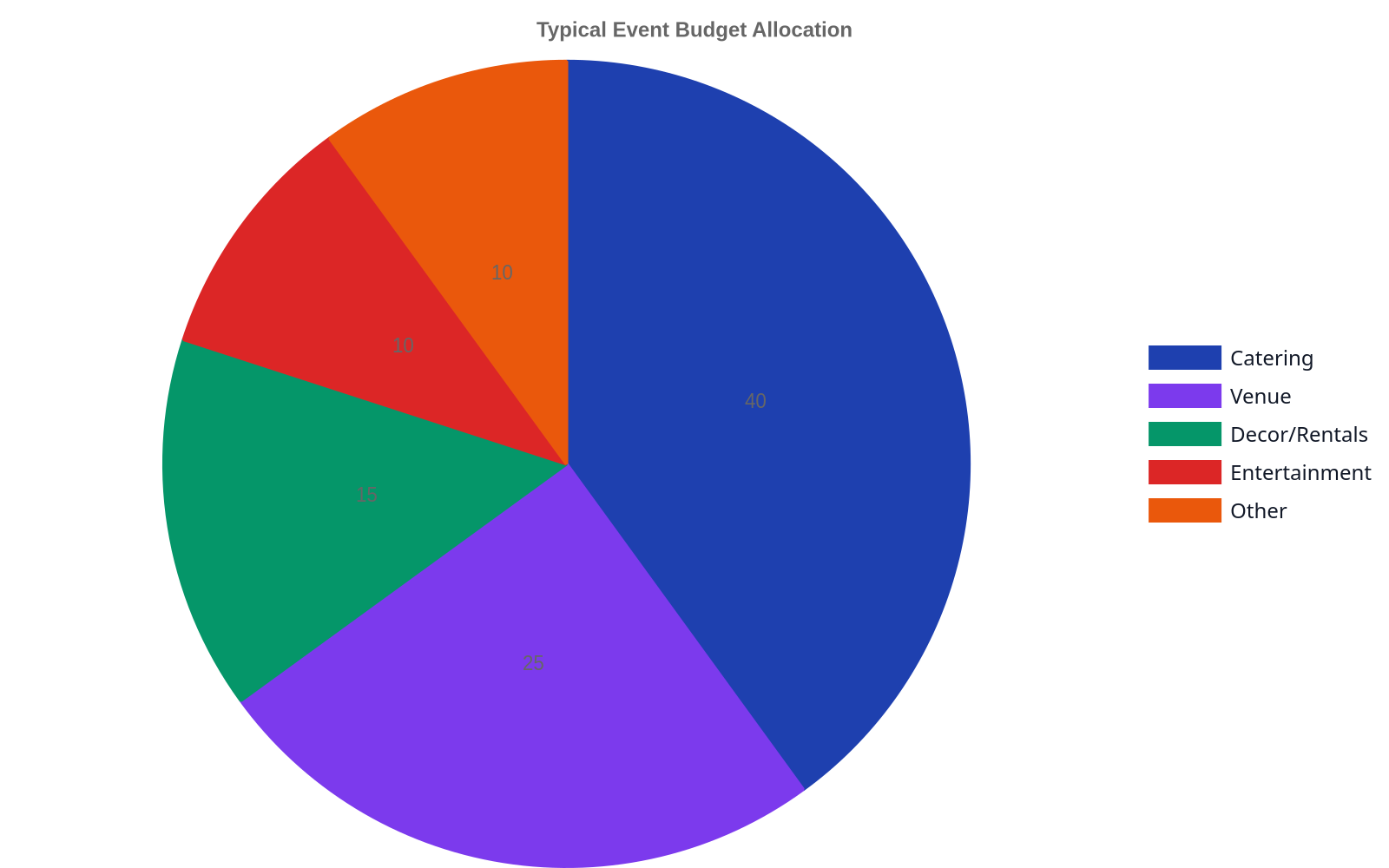
Cost is more than the price per head. You need to understand exactly what that price includes. A seemingly low quote of ₦25,000 per person can quickly inflate with add-ons. Ask for a detailed, itemized quote. Does the price include servers, bartenders, cutlery, plates, glassware, and table linens? What about the cost of cleanup? Are there separate fees for cake cutting or corkage if you bring your own drinks? Many venues, especially for large weddings, have specific policies, so a caterer’s flexibility is key. At Regal Castle Event Center, our vendor-friendly policies are designed to make this coordination easier for everyone involved.
Don’t just ask for the price per head. Ask for the total, all-inclusive cost to execute your event, including service charges, taxes, and any potential overtime fees.
Questions About Food and Drink
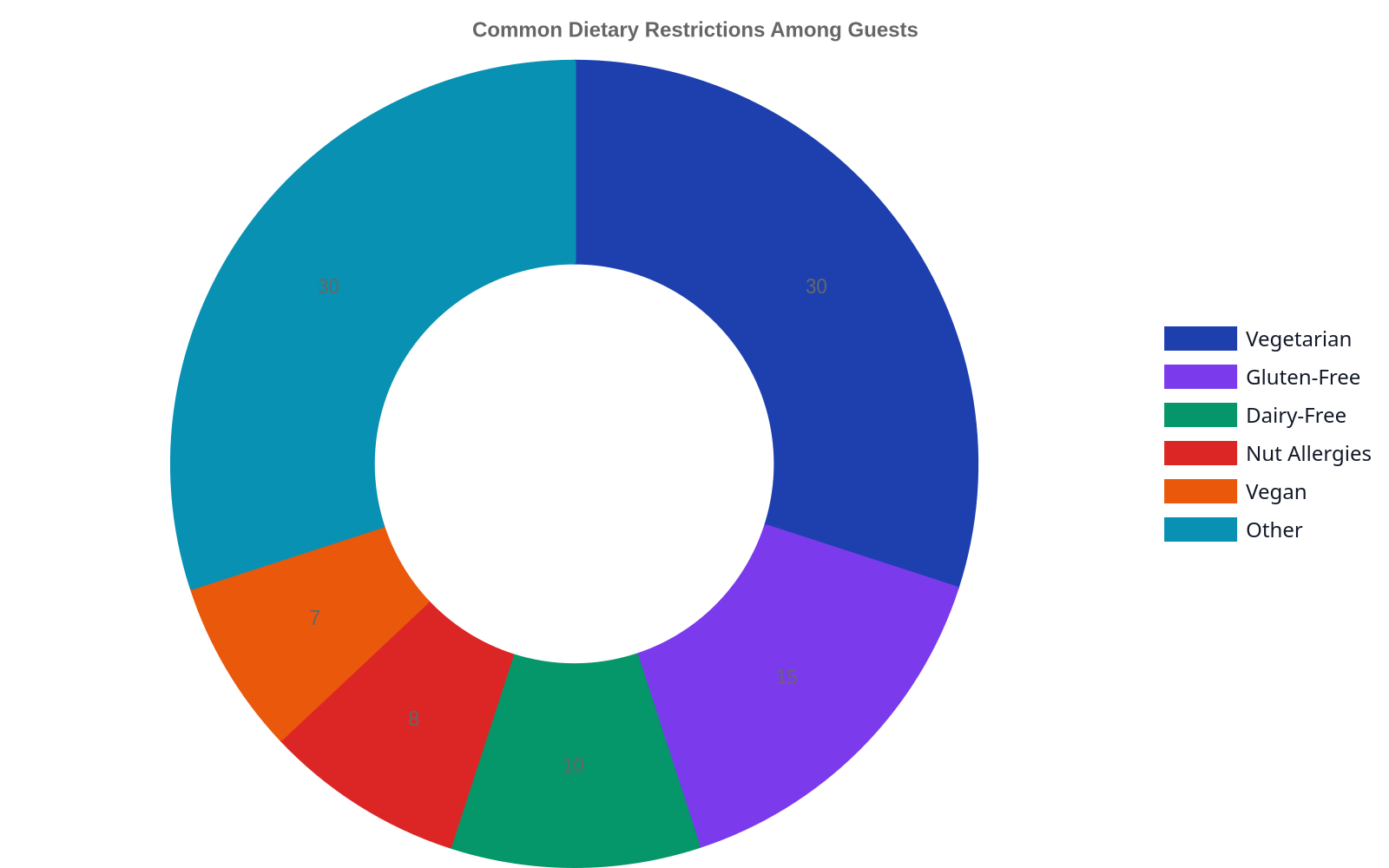
This is the core of their service. Go beyond “what’s your specialty?”
- Can we schedule a tasting? Most professional caterers offer tastings, sometimes for a small fee that gets credited to your bill if you book them. This is non-negotiable. You must taste the food.
- How do you accommodate dietary restrictions? Ask specifically about their process for handling allergies (like nuts or shellfish) and dietary needs (vegetarian, vegan, gluten-free). How do they prevent cross-contamination in the kitchen and at the buffet line?
- Where do you source your ingredients? A caterer who prioritizes fresh, local ingredients from known suppliers is generally more reliable. This is especially important for traditional Nigerian dishes where ingredient quality is everything.
- What are your portion sizes? You need to ensure there is enough food. A good caterer will have a clear system, for example, specifying the number of protein pieces per person for a buffet or the weight of the main course for a plated dinner.
- Can you create a custom menu? This is crucial if you have a specific theme or want to feature family recipes. We often provide event planning assistance to help clients match their menu to the theme of their corporate events or private parties, ensuring a cohesive experience.

Service, Staffing, and Logistics
The best food in the world is wasted if the service is chaotic. The logistics of feeding hundreds of people require military precision. Of Labor Statistics, event planning is a detail-oriented profession for a reason; every detail from staffing to timelines must be managed.
- What is your staff-to-guest ratio? For a buffet, a ratio of one server per 30-40 guests is a common benchmark. For a plated dinner, it should be closer to one server per 15-20 guests. Understaffing leads to long waits and unhappy guests.
- Who will be the on-site contact? You need one person, a banquet manager or event captain, who is in charge on the day of your event. You should meet them beforehand.
- What is your staff’s attire? They should have a professional, uniform appearance that fits the style of your event.
- What is your setup and breakdown plan? How many hours do they need before the event starts? What exactly is included in their cleanup service? Will they pack up leftovers for you? Our venue on Ikotun-Idimu Road can host a significant number of guests, so we’ve seen how critical a caterer’s efficiency is to the smooth running of an event.
A caterer’s logistical plan is just as important as their menu. An experienced team will have a detailed timeline for everything from kitchen setup to final cleanup.
The Overlooked Question: Their Experience with Your Venue
This is the question most people forget to ask, and it can make or break your day. Has the caterer worked at your chosen venue before? If they have, they already know the kitchen layout, the loading dock access, the venue’s rules, and the power supply situation. They know who the on-site manager is and how to work with them.
If they haven’t worked at your venue, it’s not an automatic disqualification. However, they must commit to a site visit well before the event date. During this visit, they should meet with the venue coordinator to discuss all the logistical details. A caterer who resists a site visit is a major red flag. This is particularly important for large venues that handle a variety of events, from private parties to large corporate functions.

Questions to Ask Before You Commit
Here is a checklist you can take with you to your catering consultations.
- Are you available on my event date?
- Can you provide a copy of your CAC registration and food handling certifications?
- Can you provide proof of liability insurance?
- What is your average price per person, and what does that include?
- Can you provide a full, itemized quote breaking down all costs (food, staff, rentals, tax)?
- Do you offer menu tastings, and is there a fee?
- How do you manage severe allergies and other dietary restrictions?
- What is your staff-to-guest ratio for my chosen service style?
- Have you worked at my venue before? If not, will you conduct a site visit?
- What is your payment and cancellation policy? Get this in writing.
- Who will be the on-site manager on the day of the event?
- What time will your staff arrive for setup and leave after cleanup?
Red Flags to Watch For
- Vague Answers: A professional caterer has clear, confident answers. Hesitation on questions about licensing or staffing is a bad sign.
- No Written Contract: A verbal agreement is not enough. Everything must be detailed in a legally sound contract.
- Poor Communication: If they are slow to respond to your initial emails or calls, imagine what it will be like when you have an urgent issue closer to the event date.
- Inflexibility: A good caterer works with you. A caterer who isn’t willing to discuss a custom menu or accommodate standard dietary needs is best avoided.
A Simple Decision Framework
Choosing a caterer isn’t about finding the cheapest option; it’s about finding the best value and lowest risk for your specific event.
- If your priority is an innovative, high-end culinary experience: Weight the tasting, menu customization, and ingredient sourcing questions most heavily.
- If you are hosting a large event (300+ guests): Focus on logistics. Prioritize their experience, staffing ratios, and their plan for your specific venue. A caterer’s ability to manage a crowd is paramount.
- If you are on a tight budget: Scrutinize the itemized quote. A transparent, all-inclusive price from one caterer may be better value than a lower base price from another that comes with numerous hidden fees. It is often more affordable to choose a venue that allows outside caterers or has a flexible policy. You can find ways to cut event costs without compromising on quality.
FAQ
How far in advance should I book a caterer in Lagos?
For weddings and large events, you should book your caterer 9-12 months in advance, especially if your date is during a popular season. For smaller events like private parties or corporate meetings, 3-6 months is generally sufficient. Good caterers are in high demand.
What is a typical deposit for a caterer?
This secures your date. The final balance is typically due 1-2 weeks before your event date. Always confirm this and get it in your contract.
What is the difference between a service charge and a gratuity?
According to Investopedia, this fee covers the caterer’s operational costs and wages for the service staff. It is not a direct tip. A gratuity, or tip, is an optional, additional amount you can give for excellent service, which usually goes directly to the staff.
Should the caterer provide meals for other vendors?
Yes, it is standard practice and courteous to arrange for vendor meals (for your photographer, DJ, event planner, etc.). These are typically simpler, less expensive meals than what guests receive. Discuss the cost and number of vendor meals with your caterer beforehand.
What happens to the leftover food?
This depends on the caterer and local food safety regulations. Some caterers will pack leftovers in disposable containers for you to take home. Others may not allow it due to liability concerns once the food leaves their care. Clarify their policy before the event.
Do I need to rent tables and chairs from the caterer?
Not always. First, check what your venue provides. Regal Castle Event Center, for instance, has a capacity for 500-1000 people and includes tables and chairs. If your venue does not, or if you want a different style, you may need to rent them. Some caterers include rentals in their packages, while others will coordinate with a rental company for an additional fee.