More wedding arguments are caused by the seating chart than by the budget. Why? Because a wedding seating arrangement is not about filling chairs; it’s about choreographing human dynamics. The perfect chart ensures guest comfort, encourages conversation, and keeps potential drama from erupting. To create a successful wedding seating arrangement, you must first gather your final guest list and floor plan, then group guests by relationship, assign them to specific tables that suit your venue’s layout, and finally create a visual chart and display it clearly for your guests. This process prevents day-of confusion and ensures your reception flows smoothly.
By the end of this guide, you will have a step-by-step process to create a wedding seating plan for your Nigerian wedding that honours your guests, reflects your style, and avoids common pitfalls. As an event venue on Ikotun-Idimu Road in Lagos that hosts hundreds of weddings, we have seen it all.
Prerequisites: What You Need Before You Start
Before you can place a single name at a table, you need three things. Don’t start without them.
- A Finalised Guest List: “Finalised” means all RSVPs are in. Don’t work with a “maybe” list. You need a definitive count of who is attending. This includes their full names and a note about their relationship to you (e.g., bride’s family, groom’s university friend, parents’ colleague).
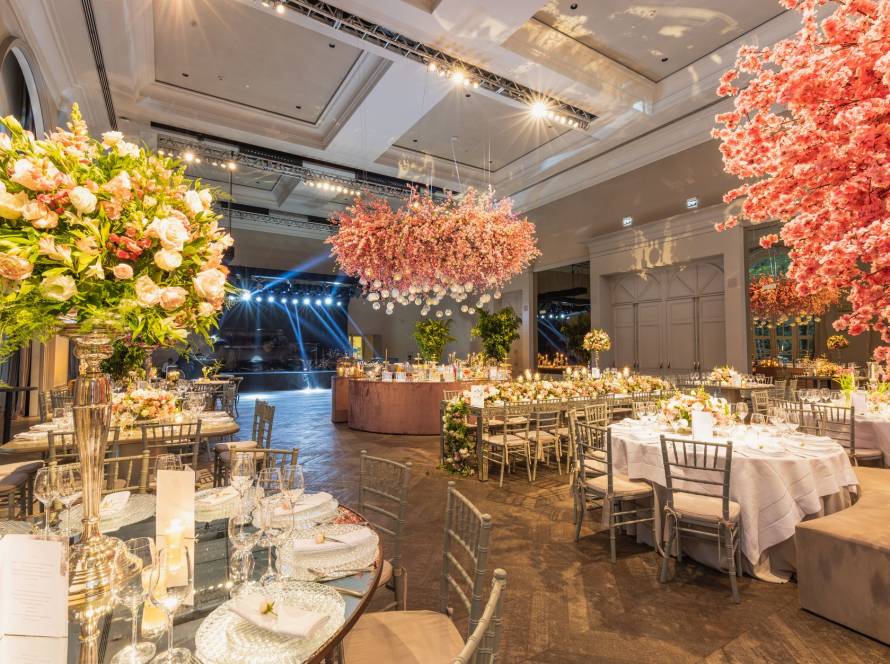
- Your Venue Floor Plan: You cannot assign seats without knowing the space. Get a to-scale floor plan from your venue manager. Ours shows the fixed architectural features, a capacity of 500-1000 guests, and the potential table layouts. This tells you the number and type of tables you can use.
- Your Confirmed Table Sizes: Know how many guests can sit at each table. A 60-inch round table typically seats 8-10 guests, while a rectangular banquet table seats 8-12. Confirm this with your venue or rental company. Never assume.
Step 1: Understand Guest Group Dynamics
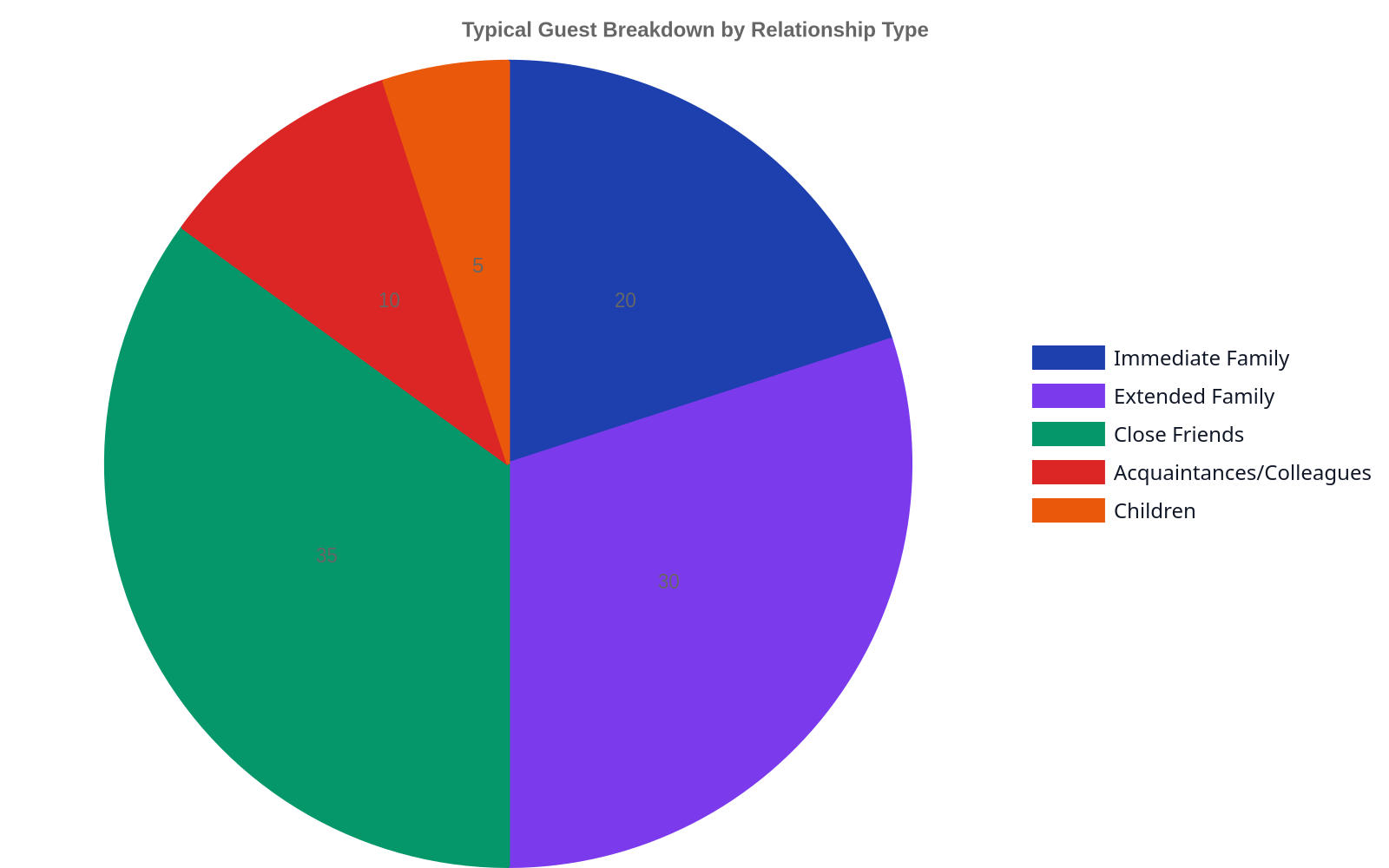
Start by categorizing your confirmed guests. The simplest method is to group them by their connection to you and your partner. This isn’t just about family vs. friends; it’s about social chemistry.
Common groups include:
- Bride’s Immediate Family (parents, siblings, grandparents)
- Groom’s Immediate Family
- Bride’s Extended Family (aunties, uncles, cousins)
- Groom’s Extended Family
- University Friends
- Colleagues
- Family Friends
- Guests with Children
This initial sort helps you see the natural clusters. 85% of couples handle the seating chart themselves, highlighting how personal this task is. As you group, make notes on potential conflicts. Is there a family feud? A recent breakup between two friends in the same circle? Note it now. Your goal is a low-stress environment for everyone.
Step 2: Choose Your Table Shapes and Layout
Your venue’s floor plan and capacity dictate your options. At Regal Castle, our 500-1000 capacity hall can be configured in many ways, but the choice of table shapes profoundly impacts the event’s atmosphere.
Popular Wedding Table Shapes and Their Seating Capacity
- Round Tables: The classic choice. Typically seating 8-10 guests, they are excellent for conversation, as everyone can see each other. This is the most common setup for Nigerian weddings.
- Rectangular Tables (Banquet Style): These create a more dramatic, formal look. They can be set up as long, continuous rows or as individual tables. They are great for venues with a distinct shape and can foster a communal, family-style dining feel.
- Square Tables: A modern alternative to rounds, often seating 8 guests (two on each side). When spaced out, they feel intimate. When pushed together, they form a larger, dynamic dining surface.
- Mix and Match: There is no rule that says you must use only one type of table. Combining round and rectangular tables can add visual interest and help you make the most of a unique space.
Consider your wedding style. Long, banquet tables feel regal and are fantastic for feasting. Round tables are more traditional and social. Your choice here sets the tone.
Step 3: Create a “Tier” System for Guest Placement
Not all seats are created equal. The tables closest to the head table are prime real estate. Create a mental “tier” list to decide who gets the best seats.
- Tier 1 (The VIPs): This is for your parents, grandparents, and the bridal party. These tables should have the best view of the head table and the dance floor. In Nigerian culture, honouring your elders with prominent seating is a sign of respect.
- Tier 2 (Close Family & Friends): Extended family (aunties, uncles) and your closest friends go here. They should still be near the centre of the action.
- Tier 3 (Everyone Else): Colleagues, parents’ friends, and more distant relatives fill the remaining tables. The goal isn’t to make them feel less important, but to ensure the core people in your lives are closest to you.
Don’t use the seating chart to punish or reward people. Use it to make the largest number of guests feel comfortable and celebrated. The goal is a full dance floor, not a perfectly executed hierarchy.
Step 4: Seat Guests Table by Table
Now, the real work begins. Start assigning groups to tables. Follow these rules:
- Seat the Head Table First: Decide who sits with you. Options include just the two of you (a sweetheart table), your full bridal party, or your immediate families. A sweetheart table gives you a private moment, while a larger head table is more communal.
- Seat Your Parents: Your parents and immediate families should be at the next closest tables. Traditionally, the bride’s and groom’s parents sit together or at adjacent tables with other close family.
- Build Balanced Tables: Don’t create a “singles table” or an “out-of-towner” table. Every table should have a good mix of people. Try to ensure guests at each table have something in common, but also include new faces. A good rule of thumb is to seat guests with at least a few people they know, but also introduce them to others they might enjoy meeting. The key is to make each guest feel like they were thoughtfully placed.
- Consider Both Sides: Make sure to mix guests from both the bride’s and groom’s side at various tables. This helps your families and friends merge and celebrate together.
For many, this is the most daunting part. Our Event Planning Assistance service often involves sitting with couples and working through this puzzle. It helps to have an objective third party.
Step 5: Use Digital Tools (or Post-Its)
Mapping this out physically or digitally is a must. A purely mental model will fail.
- Digital Seating Chart Tools: Platforms like AllSeated, Zola, and WeddingWire offer drag-and-drop seating chart tools that are often integrated with your guest list manager. This makes it easy to see names, track changes, and collaborate with your partner or planner. These tools are a lifesaver for making last-minute adjustments.
- The Analogue Method: For a more tactile approach, get a large poster board and write each guest’s name on a small Post-it note. Draw your table layout on the board and move the Post-its around. This method, favoured by many professional event planners, is great because it forces you to focus and makes moving guests between tables simple.
Whichever method you choose, having a visual representation is non-negotiable.
Step 6: Create and Display the Seating Chart
Once the plan is final, you need to communicate it to your guests. A chaotic scramble for seats is the last thing you want on your wedding day.
- Escort Cards vs. Seating Chart:
* Escort Cards: Individual cards (one per guest or couple) that list the guest’s name and their assigned table number. These are usually arranged alphabetically on a table near the entrance of the reception hall.
* Seating Chart: A large sign or board that lists all guests alphabetically, along with their assigned table number. This is often more streamlined for large weddings. A capacity of 500-1000 guests almost demands a large, clear chart.
For a large Nigerian wedding, a large, beautifully designed seating chart is often the most practical solution. Ensure the font is large and legible from a distance. You might need two or three copies of the chart placed at different entry points to prevent a bottleneck. We also provide Guest Suites for those who need accommodation, so a clear seating plan helps them settle in faster.
Troubleshooting Common Seating Dilemmas
- Divorced Parents: The approach depends on their relationship. If they are amicable, they can be seated at the same table with other family members. If things are tense, seat them at separate but equally prominent tables. You might place the bride’s mother at one VIP table with her family, and the bride’s father at another with his.
- The “Plus-One” You Don’t Know: Seat them at a table with a welcoming and talkative group of your friends. Give them a good “host” at their table who will make them feel included.
- Guests Who Don’t Know Anyone: Try to seat them with guests who share a similar profession, hobby, or life stage. You could put two guests who both love to travel at the same table, for instance.
Final Check
Before you send the chart to the printer, do one last review. Look at every single table and ask: “Would I want to sit here?” If the answer is no, figure out why and fix it. Read through every name to check for spelling errors. A misspelled name on a public chart is a small but avoidable slight. a final walkthrough of the chart can catch 99% of potential issues.
Your wedding seating arrangement is a final, crucial piece of event planning. It’s a gesture of hospitality that shows every guest they were considered. Get it right, and your wedding reception will start on a note of harmony and celebration.
Ready to plan your perfect day? Contact us to see how our venue and planning services can bring your Lagos wedding to life.
FAQ
Do I need a seating chart for a buffet-style wedding?
Yes, absolutely. A seating chart isn’t just about serving food; it’s about managing space and social dynamics. Even if guests serve themselves, they still need a designated place to sit. Assigning tables prevents guests from having to “save” seats and ensures families can sit together without a mad dash.
What is a sweetheart table?
A sweetheart table is a small table set for only the newly married couple. It gives you a private space to eat and talk during the reception while still being visible to your guests. It’s a great option if you want to avoid the politics of deciding which family or friends get to sit at the head table with you.
How should I handle guests who show up without an RSVP?
This is a challenging situation. It’s wise to have a conversation with your venue or caterer about setting one or two extra place settings at a few tables or having a spare table ready for unexpected guests. Your on-site coordinator or a trusted family member can discreetly guide them to a seat without causing a scene. Our Event Planning Assistance always includes contingency plans for this.
Should children have their own table?
This depends on their age. If you have a number of children between the ages of 5 and 12, a dedicated kids’ table with some activities can be a big hit. Younger children and toddlers should be seated with their parents. Teenagers will likely prefer to be seated with their families or other young adults rather than at a “kids” table.
When should my wedding seating arrangement be finalised?
You should aim to have your seating chart finalised about one week before the wedding. This is typically after your final RSVP deadline has passed and you have a firm headcount. This gives you enough time to make any last-minute adjustments and get your escort cards or seating chart printed.