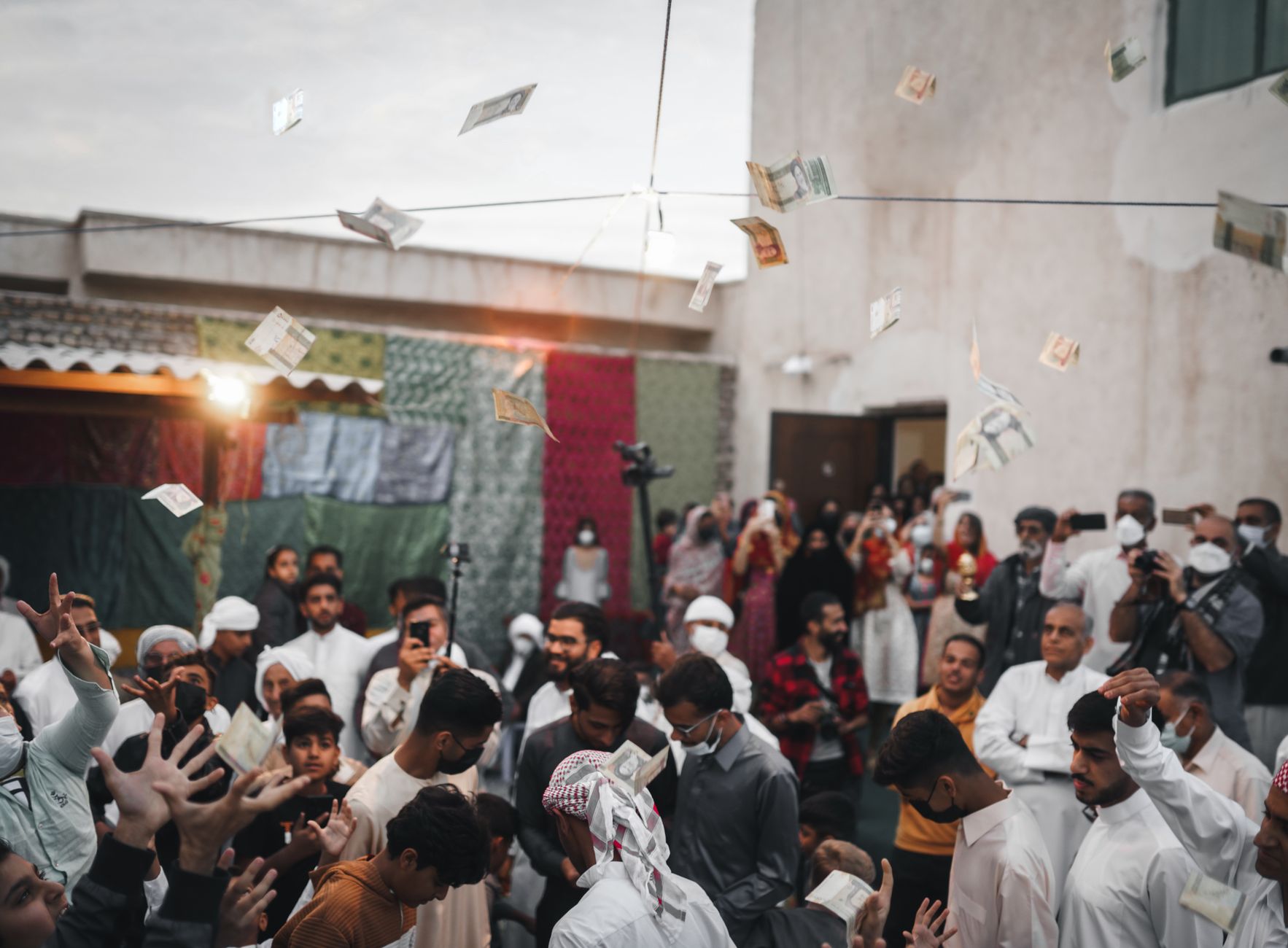
Is spraying money at weddings illegal in Nigeria? Yes, it is. The act of throwing or spraying Naira notes at an event is a violation of the Central Bank of Nigeria Act of 2007. Specifically, Section 21 of the act makes it a punishable offense to spray, dance on, or otherwise mutilate the national currency. While it remains a deeply ingrained cultural tradition to show appreciation and support, the Nigerian government has initiated a significant crackdown, leading to arrests and prosecutions. For anyone planning or attending a wedding, understanding the stark difference between cultural practice and legal reality is now critical.
Quick Answer: Cultural Tradition vs. The Law
For those short on time, here is the essential comparison:
- The Tradition: Spraying money at weddings and parties is a popular and long-standing cultural practice in Nigeria, especially in Lagos. It’s seen as a gesture of joy, celebration, and financial support for the celebrants. It’s a public display of affection and social status.
- The Law: The Central Bank of Nigeria (CBN) Act, 2007 explicitly forbids this. Section 21(3) states that spraying, dancing, or stepping on the Naira is an abuse of the currency and an offense. The law prescribes penalties including fines or imprisonment for up to six months.
So, while you will still see it happen, know that it is illegal and enforcement has become much more active. The risk of legal trouble is real.

Comparing the Tradition and the Law
| Feature | Cultural Practice (The Tradition) | Legal Stance (The Law) |
|---|---|---|
| Use Case | Showing happiness, generosity, and support for celebrants at weddings, birthdays, and funerals. | Upholding the integrity and protecting the physical state of the national currency, the Naira. |
| Key Action | Tossing, throwing, or pasting Naira notes onto the foreheads or bodies of dancers. | Prohibiting any action that defaces, mutilates, or disrespects the currency notes. |
| Underlying Belief | A cherished and expressive way to participate in a celebration and offer financial gifts. | The Naira is a national symbol that must be handled with respect; mishandling is a crime. |
| Legal Status | Socially accepted and widely practiced for decades. | Illegal. Explicitly criminalized by federal law. |
| Enforcing Body | Social norms and community expectations. | The Central Bank of Nigeria, Nigerian Police Force, and other security agencies. |
| Best Feature | Creates a festive, high-energy atmosphere and directly provides cash gifts to celebrants. | Aims to reduce the cost of printing replacement notes and maintain national pride. |
| Watch Out For | The increasing risk of arrest, fines, and public shaming due to government crackdown. | The law doesn’t distinguish between “spraying” with good intentions and deliberate “mutilation.” |
| Consequences | Previously, none. Now, potential for fines up to ₦50,000 or a six-month jail term. | Strict legal penalties for offenders, regardless of the social context. |
The Cultural Significance of Money Spraying
To understand the current conflict, you have to appreciate why spraying money became so popular in the first place. It isn’t just about extravagance. For decades, particularly in southern Nigeria, this practice has been a cornerstone of social events. It’s a performative act of gift-giving, a way for guests to publicly honor and financially support the hosts or celebrants, especially newlyweds starting their life together.
Historically, the practice grew from a desire to offer direct support in a visible and celebratory manner. Instead of a discreet envelope, spraying turns the act of giving into a shared, joyful experience. It energizes the dance floor, elevates the status of both the giver and the receiver, and creates a memorable spectacle.
The debate over money spraying isn’t about money; it’s about culture clashing with law. The government sees a violation of statute, while the people see the violation of a cherished tradition.
This tradition has also spawned its own cottage industry. “Money changers” who provide crisp, new Naira notes for spraying are a common sight at large events. This entire ecosystem is now under threat, highlighting the deep economic and social roots of the practice.
The Government Crackdown: Why Now?
So if this has been happening for so long, why is the government cracking down so hard in 2026? The primary legal basis is the Central Bank of Nigeria Act of 2007. Section 21 makes it a criminal offense to tamper with or trade the Naira. The law states that any person who shall “spray, dance or match on the Naira or any note issued by the Bank during social occasions or otherwise…shall be liable to a fine of not less than ₦50,000 or to imprisonment for a term not less than six months or to both such fine and imprisonment.”
The CBN argues that spraying constitutes “abuse” of the currency. When notes are thrown, stepped on, and crumpled, they become damaged. This forces the bank to print new notes more frequently, a costly undertaking funded by taxpayers. The cost of producing currency is substantial, and premature destruction of notes inflates this budget unnecessarily. The government’s stance is that the Naira is a symbol of national sovereignty, and treating it with disrespect is an affront to the nation itself.
Recent years have seen a more aggressive enforcement campaign. High-profile arrests involving celebrities and socialites have been widely publicized to serve as a deterrent. The message is clear: the authorities are no longer turning a blind eye. This enforcement push is part of a broader effort to instill discipline and respect for national symbols.
Consequences of Naira Abuse: Fines and Imprisonment
| Abuse Type | Legal Consequence 1 | Legal Consequence 2 | |
|---|---|---|---|
| Minor Handling Issues | Verbal Warning | Minimal Fine | |
| Intentional Mutilation | Significant Fine | Imprisonment (e.g., 6 months) | |
| Organized Currency Abuse | Very Large Fine | Lengthy Imprisonment (e.g., 5 years) | |
| Spraying (if deemed abuse) | Discretionary Penalties | Public Order Sanctions |
What actually happens if you are caught spraying money at a wedding in Nigeria? The penalties are not trivial. As stipulated in the CBN Act, the consequences range from fines to jail time.
- Fines: The minimum fine is ₦50,000. However, depending on the severity and public nature of the offense, courts could impose higher financial penalties.
- Imprisonment: A conviction can lead to a jail term of up to six months.
- Both: The law gives magistrates the discretion to impose both a fine and a prison sentence.
The government has made it a point to prosecute several individuals to show it is serious. This includes not just the “sprayers” but also the celebrants who are seen to be encouraging the act. The social media-driven nature of modern events means that evidence is often plentiful, with videos of spraying incidents going viral and attracting the attention of law enforcement. For anyone planning one of our weddings here at Regal Castle Event Center, this is a serious consideration for ensuring your celebration remains a happy one, free of legal trouble.
Public Reaction and The Path Forward
The public reaction to the crackdown has been intensely divided. On one side, many Nigerians see the ban as an attack on a joyful cultural expression. They argue that the government is focusing on a trivial issue while more significant economic and security challenges persist. For them, spraying money is an act of generosity, not a criminal offense. Critics of the ban also point out the hypocrisy when politicians are seen engaging in similar practices without consequence.
On the other side, many citizens support the government’s position. They agree that the national currency should be treated with respect. A 2023 opinion piece in The Guardian (Nigeria) argued that the “culture of spraying money is a vulgar display of wealth that has no place in a modern economy” and promotes a negative social image. This segment of the population welcomes the enforcement as a step towards greater civic responsibility.
As an event venue at the heart of the Lagos celebration scene, we see the dilemma firsthand. The energy of a wedding is paramount, and spraying was a big part of that. The key now is to find new, creative, and legal ways to channel that same spirit of generosity.
Choose Your Path: Tradition or Compliance?
As you plan your event, you face a clear choice. Do you risk legal trouble by sticking to the old way, or do you adapt to the new reality? Here’s a breakdown to help you decide.
Stick with Tradition (The High-Risk Path) If…
- You are willing to accept the legal risk. You and your guests could face arrest, fines, and even jail time. The chances are no longer negligible.
- You believe the cultural importance outweighs the potential legal consequences. For some families, a wedding without spraying feels incomplete, and they are prepared to face the fallout.
- You are having a very private, small-scale event. While still illegal, the risk of enforcement is lower at a small, private family gathering than at a large, highly-publicized wedding with hundreds of guests.
Embrace Alternatives (The Safe & Modern Path) If…
- You want a stress-free celebration. The last thing you need on your wedding day is the anxiety of a police raid. By opting for legal alternatives, you eliminate this risk entirely.
- You want to protect your guests. Encouraging them to spray money puts them in legal jeopardy. Providing safe alternatives shows you care about their well-being.
- You want to be a trendsetter. This is an opportunity to modernize an old tradition. By adopting new methods of gifting, you can create a new, equally joyful experience that others will follow.
The smartest couples in 2026 are not ignoring the money spraying ban; they are innovating around it with creative and digital gifting solutions that keep the party going without breaking the law.
Some of the most popular alternatives we see emerging at events include:
- Designated Gifting Boxes: Beautifully decorated and secure boxes where guests can deposit cash gifts.
- Digital Gifting: Setting up a dedicated QR code or using a service like Flutterwave or Paystack allows guests to instantly transfer money to the couple’s account from their phones. This is clean, secure, and creates a fun “live-gifting” feed that can be projected on screens.
- Money Bouquets: Instead of spraying, guests can present the couple with a “bouquet” made of folded Naira notes. The money is still given as a gift, but it is not “sprayed” or trampled, thus avoiding the letter of the law.
- A “Wishing Well”: A designated, decorated spot for guests to drop envelopes with cash or cheques.
Ultimately, the goal is to celebrate the couple and provide them with financial support. These alternatives achieve that goal without the associated legal drama.
At Regal Castle Event Center, we are committed to helping our clients host magnificent and flawless weddings. We encourage all our clients to explore these safe and elegant alternatives to ensure their special day is remembered for all the right reasons.
FAQ
Is spraying money at weddings illegal in Nigeria in 2026?
Yes, absolutely. Under Section 21 of the Central Bank of Nigeria Act, 2007, it is a criminal offense to spray, dance on, or mutilate the Naira.
What is the specific law against money spraying in Nigeria?
The relevant law is the Central Bank of Nigeria (CBN) Act of 2007. Specifically, Section 21(3) addresses the abuse of the currency, making it illegal to spray the Naira at social occasions. This has been the legal foundation for the recent wave of arrests and prosecutions.
Why was money spraying banned in Nigeria?
The ban was implemented to protect the integrity of the Naira and reduce the costs associated with reprinting damaged notes. The government and the CBN view the currency as a national symbol that must be treated with respect. Mutilating or defacing notes shortens their lifespan and incurs significant replacement costs for the country.
Are there any legal ways to give cash at a Nigerian wedding?
Yes, there are many alternatives that are both legal and celebratory. You can use a decorated gift box, a “wishing well” for envelopes, or present a “money bouquet.” Increasingly, couples are using digital solutions like QR codes linked to payment platforms such as Flutterwave or Paystack, allowing guests to transfer funds directly and safely.
Can I be arrested for spraying money at a private party?
Yes. The law does not distinguish between public and private events. While enforcement might be more visible at large, public weddings, the act itself is illegal regardless of the venue. If there is evidence of the act (like a social media video), you can still face prosecution.
What is the historical context of money spraying?
The practice has been a part of Nigerian celebrations for many decades, originating as a very public and flamboyant way to give financial gifts and show support and social standing. It transforms the act of giving into a part of the entertainment, creating a lively atmosphere that many guests and hosts cherish.
Has anyone actually been jailed for spraying money?
Yes. Nigerian news outlets have reported several cases of individuals being arrested, fined, and in some instances, sentenced to imprisonment for abusing the Naira. High-profile cases, often involving celebrities, have been used by the Economic and Financial Crimes Commission (EFCC) to signal a serious enforcement stance.