Successful Third Mainland Bridge closure event planning hinges on proactive communication, detailed logistics management, and strategic scheduling. Your top priorities are re-routing vendors and guests, adjusting event timelines for significant travel delays, and using real-time traffic data to make day-of decisions. This is not about hope; it’s about building a resilient event plan that anticipates Lagos’s unique traffic challenges and communicates clearly with every stakeholder, from the caterer to the last guest to arrive. The moment the Federal Ministry of Works (FMW) announces a closure, your planning needs to pivot from creative to logistical.
Understanding the ‘Why’ Behind Lagos Bridge Closures
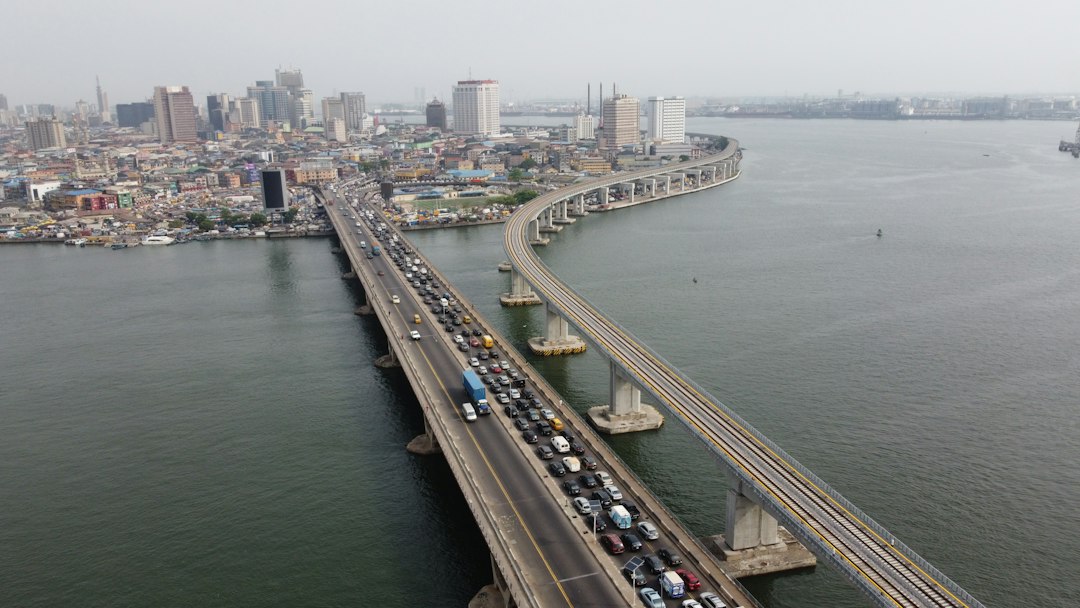
In Lagos, bridge closures are a fact of life, but they are not random acts of chaos. They are typically scheduled by government bodies like the FMW and the Lagos State Government (LASG) for essential reasons. These include deep rehabilitation to ensure the structural integrity of the bridge, emergency repairs after incidents, or to facilitate major city-wide events like the Lagos City Marathon or the culturally significant Eyo Festival. A recent diversion for the Eyo Festival is a perfect example of a planned, short-term closure for a cultural celebration.
These maintenance projects are often complex and methodical. For example, previous emergency repairs on the Oworonshoki/Third Axial Bridge were broken down into 8 phases of work. Understanding this helps you recognise that while disruptive, the process is structured. Your job as an event planner is not to fight the closure but to integrate its reality into your project timeline and logistics from day one. Official channels, such as the Lagos State Government’s news portal, are your primary source for accurate timelines and diversion maps.
The Practical Impact on Event Logistics in Lagos
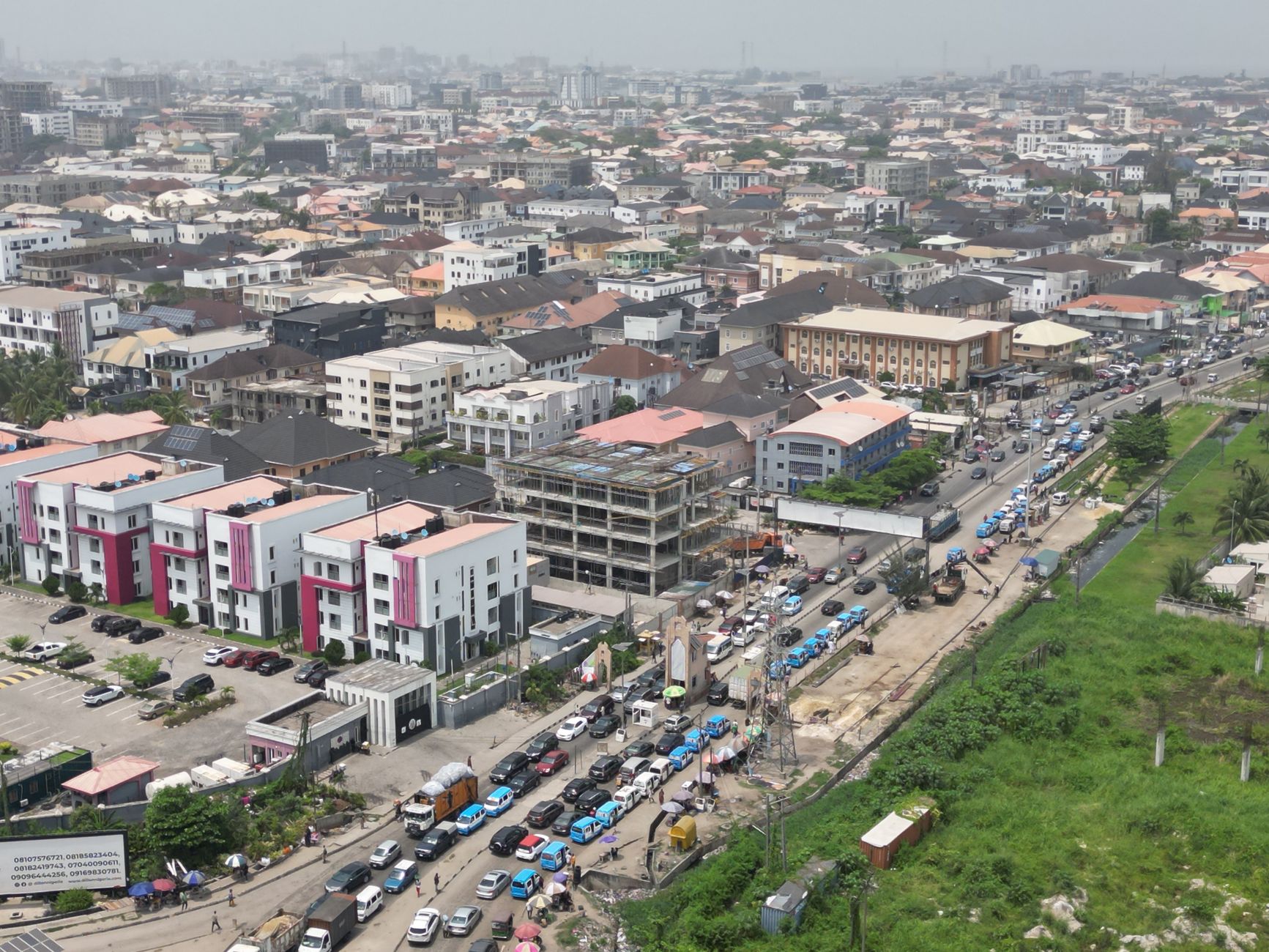
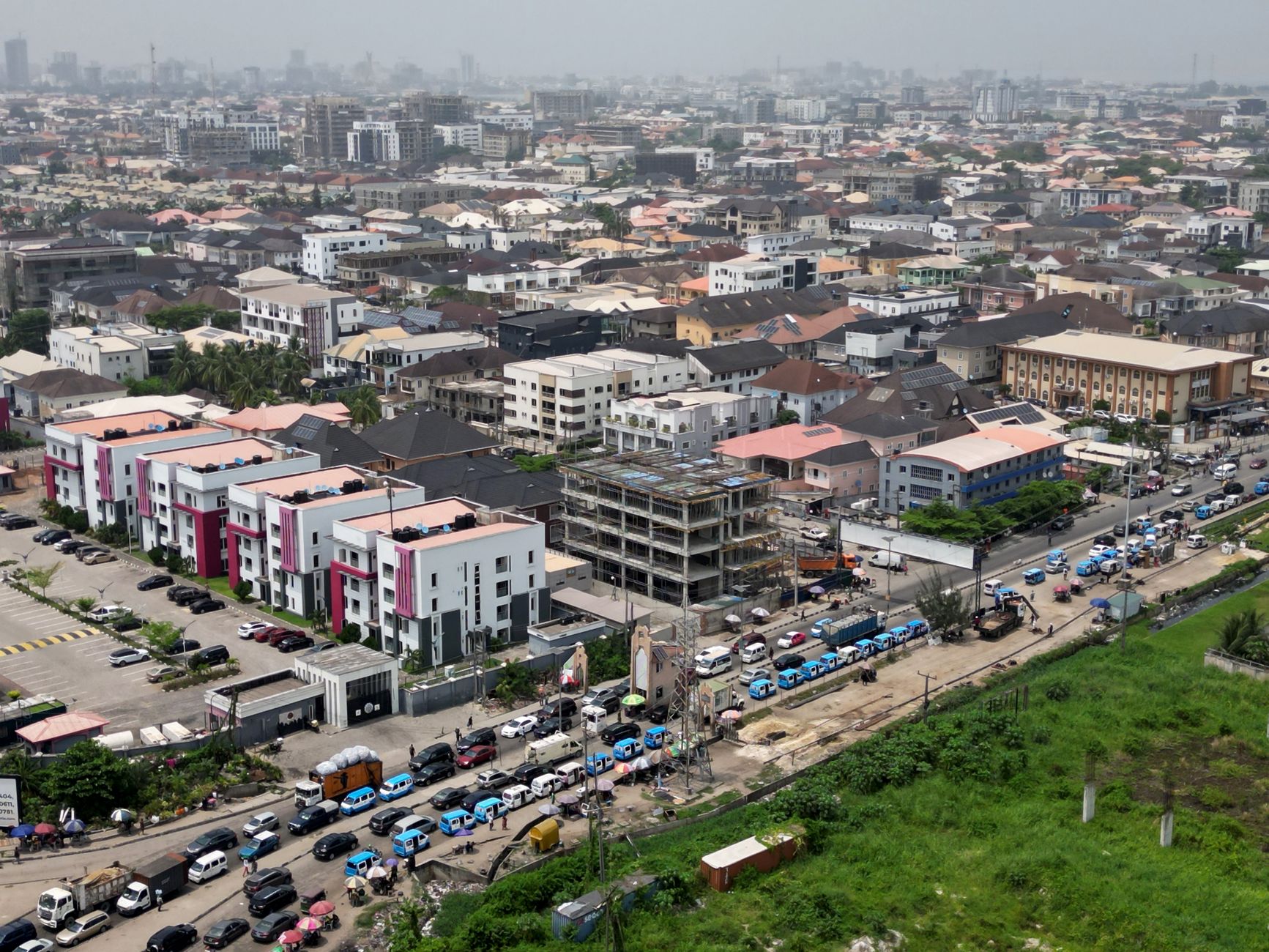
The ripple effects of a Third Mainland Bridge closure extend far beyond simple commuter frustration; for an event, they can be catastrophic if unmanaged. The core of the problem is getting people and critical supplies to your venue on time, which has direct cost implications in Naira.
Vendor and Supply Chain Disruption
Consider your key suppliers: the caterer with perishable food, the decorator with delicate installations, the sound engineer with heavy equipment, and the baker with a multi-tiered wedding cake. A trip from Ikeja to Victoria Island that normally takes 60 minutes can easily become a four-hour ordeal. This translates to higher costs for you, as delivery teams may charge for extended waiting times or overtime. A vendor stuck in traffic is not just late; they are a critical failure point in your event schedule.
Guest and Staff Accessibility
Your guest’s experience begins the moment they leave their house. An exhausting, traffic-filled journey sours their mood before they have even heard the first note of music. This is particularly acute for guests travelling between the mainland and the island. The same applies to your essential event staff, including photographers, entertainers, and security personnel. If half your team is stuck in gridlock on Ikorodu Road, your event cannot run smoothly.
A Proactive Checklist for Lagos Event Planners
Instead of reacting on the day, a checklist helps you get ahead of the disruption. This is how you shift from crisis mode to strategic control.
- Confirm Venue Accessibility First. Before booking, analyse your venue’s location against likely diversion routes. Is it on the mainland or the island? How will closures affect access from key arteries like Obalende or CMS? Our venue, located at 137 Ikotun-Idimu Road, is on the mainland, which can offer a strategic advantage if the bridge closure primarily impacts island-bound traffic.
- Audit Your Vendor List. Call every single supplier. Do not assume they have seen the news. Confirm they are aware of the closure dates and have a specific logistics plan. Ask them what their ‘Plan B’ is and how much buffer time they are building into their schedule. Put it in writing.
- Over-Communicate with Guests. Your invitation or event website is no longer enough. Send dedicated emails and WhatsApp broadcasts with clear, concise travel advice. Include simplified maps of alternative routes. Suggest carpooling, ride-sharing, or using public transport options like the BRT or local ferries to bypass the worst of the gridlock. Provide links to reliable resources that explain the options.
- Rethink Your Event Timeline. A 4:00 PM start time is a high-risk gamble during a major diversion. Consider starting your event later in the evening, perhaps at 6:00 PM, to miss the peak afternoon rush. For a wedding, scheduling the ceremony for the mid-afternoon (around 2:00 PM or 3:00 PM) can allow guests to travel during a slightly less congested window.
- Designate a Logistics Point Person. Assign one team member the sole responsibility of monitoring traffic on the day of the event. They should use apps like Waze and Google Maps and keep an open line of communication with vendors and key guests. Our experienced team can provide this kind of
Event Planning Assistance, allowing you to focus on the guest experience.
A vendor stuck on the bridge is a problem. A vendor you do not know is stuck on the bridge is a disaster. The difference is communication.
Choosing Alternative Routes and Transport in Lagos
Official advisories from the Federal Ministry of Works will always list alternative routes, but a savvy planner looks at the practical trade-offs of each.
- Alternative Roads: During a closure, routes like Ikorodu Road, the Eko Bridge, Funsho Williams Avenue, and the Carter Bridge become the primary detours. The immediate consequence is that they become incredibly congested. While agencies like the Federal Road Maintenance Agency work to ensure these roads are in good condition, as a past advisory highlighted, their capacity is finite. Advise drivers to expect significant delays.
- Public Transport (BRT & Ferries): This is where you can provide real value to your guests. The Bus Rapid Transit (BRT) system, with its dedicated lanes, can often move faster than private vehicles stuck in traffic. More transformatively, the Lagos ferry service (LAGFERRY) offers a reliable and often pleasant alternative. A guest travelling from a terminal in Ikorodu or Badore to CMS or Victoria Island by water can bypass the road chaos entirely. Including ferry schedules and terminal locations in your guest communication is a high-impact strategy.
What Lagos Locals Know: Insider Tips for Flawless Events
Beyond official announcements, there are unwritten rules to navigating Lagos logistics that only come from experience.
- Timing Is Paramount: The rhythm of Lagos traffic is predictable. Avoid scheduling key arrivals or departures between 7:00 AM and 10:00 AM, and again between 4:00 PM and 8:00 PM. An event starting after 7:00 PM, for example, allows most guests to travel after the evening rush has subsided.
- The Mainland Advantage: For the duration of a Third Mainland Bridge closure, hosting your event on the mainland is a powerful strategic decision, especially if a majority of your attendees are based there. It completely removes the primary traffic bottleneck from their journey. A venue like ours, with a capacity for 500-1000 guests, is perfectly positioned to deliver a premium experience without forcing hundreds of people into cross-bridge traffic for an
awards gala planningor large wedding. - Use Technology Actively: Advise your guests and vendors to use Waze in addition to Google Maps. Waze’s real-time, user-reported data on accidents, police activity, and stand-still traffic is often more current. For guests unfamiliar with the city’s transport, a resource like a beginners guide to Lagos transport can be invaluable.
In Lagos event planning, your start time is a suggestion. Your guests’ arrival time is a reality shaped by a dozen traffic choke points. Plan for the reality.
Planning an event during a major infrastructure project like the Third Mainland Bridge closure requires a shift in mindset. It demands rigorous logistical planning, crystal-clear communication, and a deep understanding of how Lagos moves. By anticipating the challenges and building a resilient plan, you ensure the success of your event is determined by your preparation, not by traffic.
For a partner who understands the unique challenges of planning large-scale events in Lagos and has the expertise to manage them, get in touch with our expert team to discuss your vision.
Further reading
Frequently Asked Questions
How much extra time should I allow for travel during a Third Mainland Bridge closure?
As a rule of thumb, advise guests and vendors to double their usual travel time. For journeys that cross the city from mainland to island (or vice versa), tripling the expected time is a safer bet. It is always better to have vendors and guests arrive early than to have your event start late.
What’s the best way to inform my event guests about traffic diversions?
Use a multi-channel approach. Start with a dedicated section on your event website or invitation. Follow up with a detailed email one week before the event, and a final reminder via WhatsApp or SMS on the morning of the event. Include simplified maps, links to live traffic apps, and suggestions for alternative transport like ferries.
Are island venues a bad idea during a bridge closure?
They are not a bad idea, but they are a high-difficulty choice that requires expert-level logistics. If your event must be on the island, you need to be even more aggressive with your communication, timeline buffers, and transport suggestions. If a significant portion of your guests live on the mainland, you are placing the burden of navigating the traffic squarely on them.
Can I get a refund from my venue if a bridge closure ruins my event?
This is highly unlikely. Bridge closures are typically announced well in advance and are considered a force majeure or public infrastructure issue outside the venue’s control. Your contract will almost certainly not cover this. The responsibility falls on the event planner to create a workable plan around the closure.
How can I track real-time traffic in Lagos on the day of my event?
Your best tools are digital apps like Google Maps (with the traffic layer on) and Waze, which provides user-generated reports. You can also monitor the Twitter/X accounts of the Lagos State Government and local traffic-focused accounts which often post live updates. Tuning into local radio stations like Traffic Radio 96.1 FM also provides continuous updates.