Choosing the wrong Aso-Ebi fabric is more than a fashion misstep; it’s a costly error that can unravel the visual harmony of your entire event. To choose the right Aso-Ebi fabric, you must first define your event’s theme and color palette, then select a fabric type (like lace, ankara, or aso oke) that aligns with your budget, the occasion’s formality, and the season. Prioritize group consensus and ensure the fabric is available in sufficient quantity before committing, as last-minute changes can lead to significant stress and unexpected expenses.
1. Budget: The Unspoken Decider
Before you fall in love with a specific lace or velvet, you must have an honest conversation about cost. The price of Aso-Ebi fabric spans a massive range, from budget-friendly Ankara prints starting around ₦15,000 for a bundle to high-end Swiss or French lace that can exceed ₦250,000 per person. Misjudging what your guests can realistically afford is the fastest way to create resentment and low participation. The goal is unity, not financial strain.
How to check: Poll your core group of participants before* you start shopping. Create an anonymous survey with price brackets (e.g., ₦20,000-₦35,000, ₦35,000-₦50,000, ₦50,000+) to get a realistic sense of the comfortable spending limit.
- What a good answer looks like: A price point where at least 80% of your intended Aso-Ebi wearers are enthusiastic. If you have a VIP group and a wider guest list, consider two tiers of fabric. A more exclusive option for immediate family and a more accessible one for friends.
2. Fabric Type: The Foundation of the Look
The fabric you choose dictates the final outfit’s structure, feel, and formality. In Nigeria, the options are vast, but a few key types dominate the Aso-Ebi landscape. Understanding their properties is crucial.
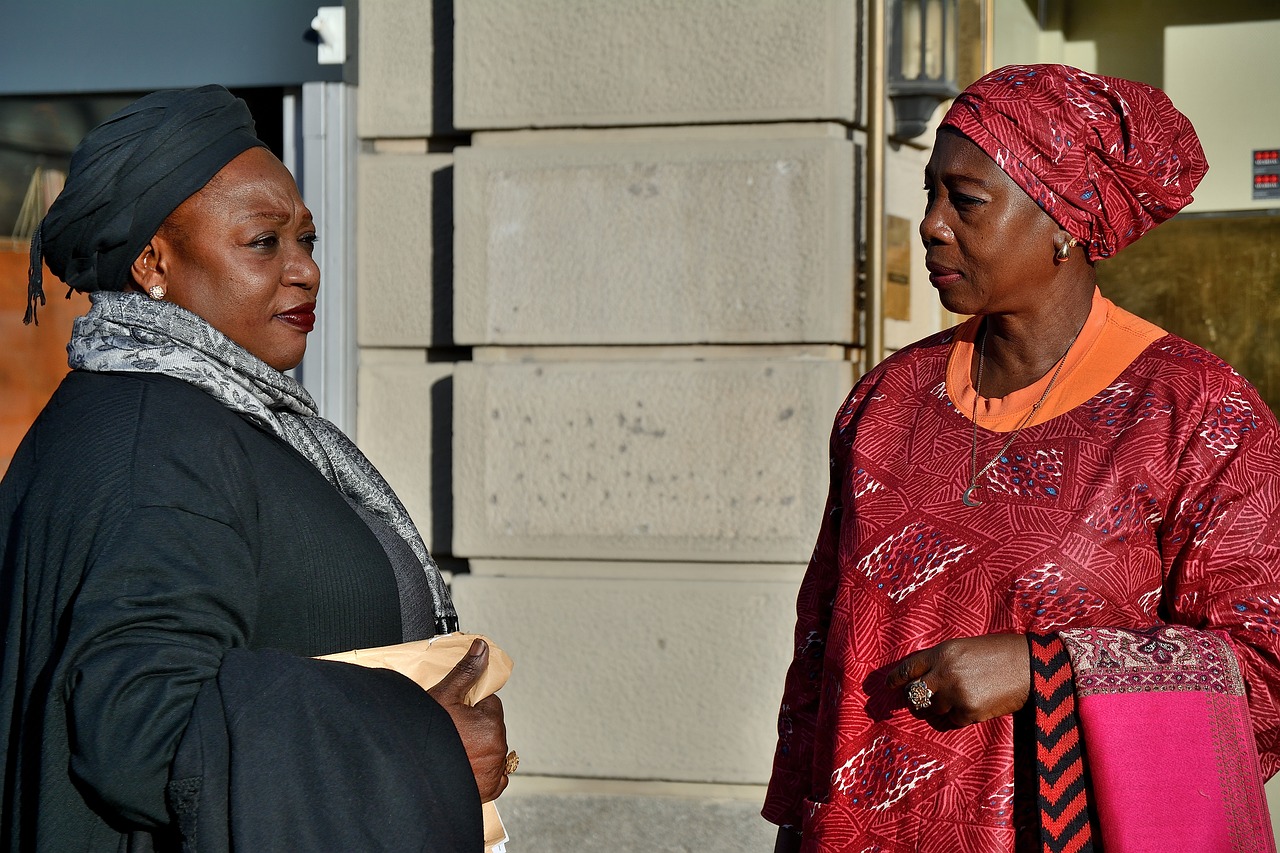
- Lace (French, Cord, Guipure, Sequin): The undisputed queen for weddings. French lace is delicate and often features intricate beadwork, making it a premium choice. Cord lace offers a textured, modern feel, while Guipure lace is heavier with a bold, connected pattern. Sequin or beaded laces bring the glamour and are perfect for evening receptions.
- Ankara: Vibrant, versatile, and budget-friendly. These wax-print cotton fabrics are ideal for more relaxed, colourful celebrations. Their bold patterns make a strong visual statement.
- Aso Oke: The classic hand-woven Yoruba fabric. It’s rich in cultural significance and offers unmatched durability and structure. Often used for the couple and their parents, but can be chosen for the entire group for a truly traditional look.
- Velvet: A luxurious choice, especially for cooler months or evening events. It drapes beautifully and has a rich sheen, but requires a skilled tailor.
- Brocade/Damask: These are patterned, woven fabrics that offer a regal feel without the sheerness of lace. They are structured and excellent for both men’s agbadas and women’s gowns.
Don’t just follow a trend. The best fabric choice reflects the wedding’s personality—be it the timeless elegance of Aso Oke or the vibrant energy of Ankara.
3. How to Choose Aso-Ebi Fabric for Your Wedding Theme
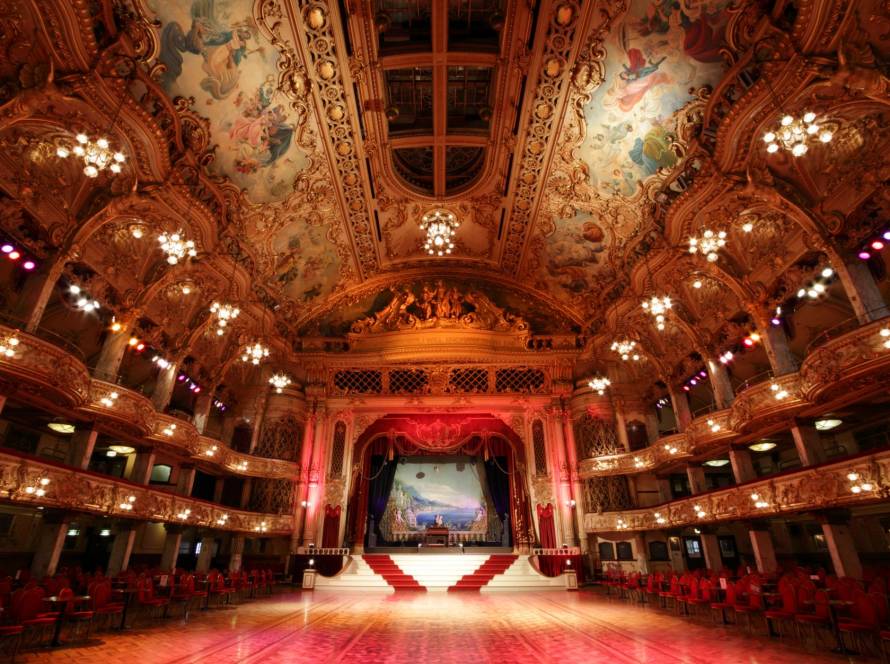
Your Aso-Ebi is a key part of your event’s decor. It shouldn’t clash with your chosen colours and overall vibe. A rustic-themed outdoor wedding and a glamorous hotel ballroom reception demand very different fabric choices. As event planners in the heart of Lagos, we see firsthand how fabric choice reinforces the atmosphere.
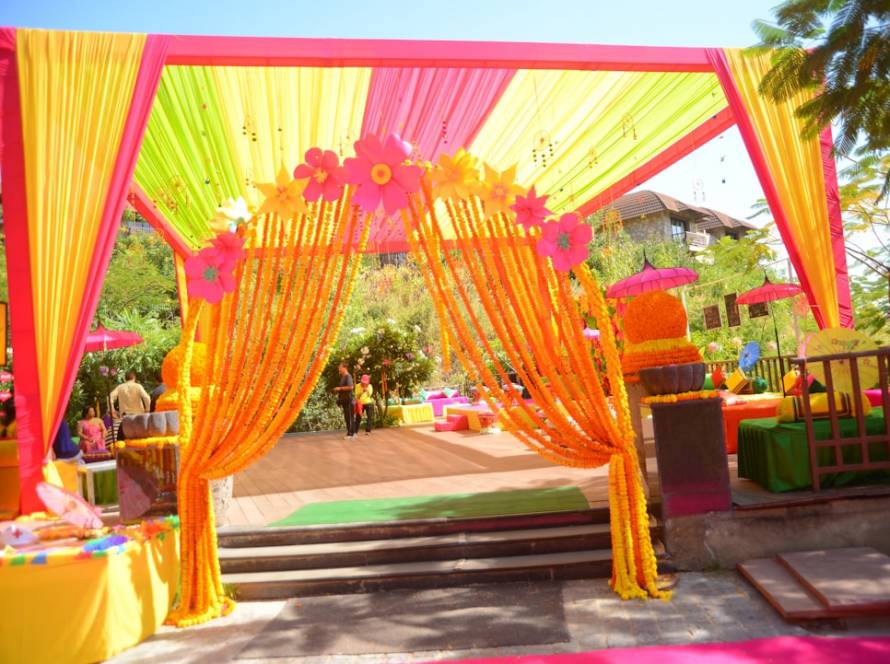
- How to check: Look at your mood board. What textures and colours are present? A glamorous, opulent theme pairs well with sequined lace or rich velvet. A modern, minimalist theme might call for a single-colour cord lace or a sophisticated brocade. A vibrant, cultural celebration is the perfect stage for Ankara or Aso Oke.
- What a good answer looks like: The fabric colour and texture complement the venue decor, floral arrangements, and the couple’s attire. It looks intentional, not like an afterthought. For example, a deep emerald green velvet Aso-Ebi for a Christmas-season wedding or a dusty blue Guipure lace for a serene beachside ceremony.
4. Season and Weather: The Overlooked Practicality
This is the criterion most people forget, and it leads to immense discomfort. A bride in August choosing heavy, non-breathable velvet for her bridal party in the Lagos heat is a recipe for disaster. Happy guests are comfortable guests. Nigeria’s climate is predominantly hot and humid, a fact that must influence your decision.
- How to check: Consider the time of year and the venue. Is the event primarily indoors with powerful air conditioning? Our venue, for instance, has a capacity for 500-1000 guests and is fully air-conditioned, making heavier fabrics viable year-round. Is it an outdoor traditional wedding during the dry season? You need something breathable.
- Good choices for heat: Lightweight lace, Ankara (100% cotton), and Adire are excellent. They allow for airflow and won’t weigh down your guests.
- Choices for cooler months (or AC): Velvet, heavier brocades, and layered Aso Oke are more suitable. According to a textile guide by the Victoria and Albert Museum, lace construction itself can vary significantly in weight, so feel the material in person.
5. Sourcing and Availability: The Logistical Hurdle
Finding a beautiful fabric is one thing; finding 50-100 units of the exact same dye lot is another. This is where many Aso-Ebi plans fall apart. Running out of stock or discovering shade variations mid-distribution causes immense stress.
- How to check: Before you pay, confirm the total quantity available with the vendor. Ask if they can source more from the same batch if needed. It’s wise to buy 10-15% more fabric than you initially need to account for last-minute additions or tailoring mistakes.
- Where to buy: For guaranteed consistency and large quantities, established fabric merchants in major markets like Balogun or Oshodi in Lagos are a go-to. Online vendors are convenient, but always order a physical sample first.
- What a good answer looks like: A single, reliable vendor who can supply the entire quantity at once, ensuring consistent color and quality for every single guest.
The perfect fabric doesn’t exist if you can’t get enough of it. Sourcing isn’t the last step; it should be part of the initial selection process.
Questions to Ask Your Fabric Vendor Before You Commit
Don’t be shy. You are about to make a significant group purchase. Arm yourself with these questions to avoid common pitfalls.
- Is this fabric from a single dye lot to ensure color consistency?
- What is the total number of yards/units you have in stock right now?
- Can you get more from the exact same batch if my list grows?
- What is the fabric composition? (e.g., 100% cotton, polyester blend)
- How wide is the fabric? (This determines how many yards are needed per person).
- Do you offer a small discount for a bulk purchase of this size?
- What is your return or exchange policy for uncut fabric?
- Can I take a small sample to show my tailor and test for colorfastness?
- How should this fabric be cared for? (e.g., hand-wash only, dry clean).
- Based on this fabric, how many yards do you recommend for a woman’s outfit versus a man’s?
Red Flags to Watch Out For
- Pressure to “buy now”: A vendor creating false urgency might be trying to offload a limited or inconsistent batch.
- No physical sample: Never buy Aso-Ebi in bulk from an online picture alone. The colour and texture can be wildly different in person. A Consumer Reports guide on online shopping warns against this for any major purchase.
- Vague answers on quantity: If a vendor says “I think we have enough” or “I can probably get more,” press for specifics. Get them to physically check their stock.
- Inconsistent pricing: If the price seems to change each time you ask, be wary. Reputable dealers have clear pricing, though bulk discounts are common and should be negotiated upfront.
Your Decision Framework
Choosing Aso-Ebi isn’t about finding the “best” fabric overall, but the best fabric for your specific event. Use this scorecard to guide your final decision:
- If your priority is cultural authenticity and a grand statement: Weight Fabric Type (Aso Oke) and Theme highest. Your budget will need to be significant.
- If your priority is a glamorous, modern wedding: Weight Fabric Type (Lace/Velvet) and Theme highest. Focus on sourcing from a reputable lace dealer.
- If your priority is a large, inclusive guest list and a vibrant look: Weight Budget and Fabric Type (Ankara) highest. This combination offers the most flexibility for a large group.
- If your priority is guest comfort for an outdoor or daytime event: Weight Season and Weather highest. This is a non-negotiable factor that should guide your choice of material.
Ultimately, a successful Aso-Ebi is one that your guests are happy and proud to wear. With our event planning assistance, we often guide clients through this very process, ensuring the fabric choice elevates their celebration.
FAQ
What is Aso-Ebi?
Aso-Ebi is a Yoruba term that translates to “family cloth.” It refers to a uniform fabric worn by a group of people at an event like a wedding, funeral, or celebration to signify unity, support, and a shared identity with the celebrants. It creates a visually stunning and cohesive look.
How much does Aso-Ebi fabric cost in Nigeria?
The cost varies dramatically.
What are the best Aso-Ebi fabrics for men?
Men’s Aso-Ebi styles often call for fabrics with more structure. Excellent choices include Aso Oke for traditional agbada, high-quality Brocade or Damask for a regal look, and polished cotton or Atiku fabric for a simple, elegant agbada or senator-style suit. Some modern weddings also use the same lace fabric as the women for the men’s caps or minor details.
How far in advance should we choose the Aso-Ebi?
You should finalize your Aso-Ebi fabric selection at least 4-6 months before the wedding. This provides ample time for sourcing, purchasing, distributing the fabric to guests, and allows everyone enough time to find a tailor and have their outfits made without a last-minute rush. According to wedding planning timelines from sources, this lead time is critical.
Who pays for the Aso-Ebi?
Typically, the guests who will be wearing the Aso-Ebi pay for their own fabric. The couple or their family selects the fabric, negotiates the price, and then sells it to their chosen family members and friends. The price usually covers only the cost of the material itself.
Can I use two different Aso-Ebi fabrics for my wedding?
Absolutely. It’s very common to have different Aso-Ebi for different groups. For example, the bride’s family might wear one color or type of lace, while the groom’s family wears another. You can also have a more expensive fabric for close family (the “inner circle”) and a more affordable option for friends and other guests.
How do I care for my Aso-Ebi fabric after the event?
Care instructions depend on the fabric. Ankara can typically be machine washed on a gentle cycle, while delicate fabrics like lace and velvet should almost always be dry-cleaned or carefully hand-washed to protect beading and texture. Aso Oke is very durable but is traditionally spot-cleaned or professionally cleaned due to its woven nature. Always ask the vendor for care instructions when you purchase.