The Real Story Behind Lagos Event Industry Growth in 2026
Most people associate Lagos events with the vibrant colours and infectious energy of an ‘Owambe’. While that cultural heartbeat is undeniable, it’s not the primary engine driving the market’s explosive expansion. The real story of Lagos event industry growth in 2026 is one of rapid professionalization, significant corporate investment, and a burgeoning middle class with new expectations. Nigeria’s event market is projected to reach an astounding USD 27.5 Billion by 2034, and Lagos, as the nation’s economic epicentre, is the undisputed leader of this charge.
The Trajectory of Growth: Past, Present, and Future
Understanding the scale of the Lagos event industry requires looking beyond a single year. The growth is not a sudden spike; it’s a sustained ascent built on powerful economic and demographic shifts. The entire Nigerian event management market is experiencing a compound annual growth rate (CAGR) of 11.13% expected from 2026 to 2034, a figure that sets a baseline for Lagos’s even more accelerated pace.
From Local Parties to a Billion-Naira Industry
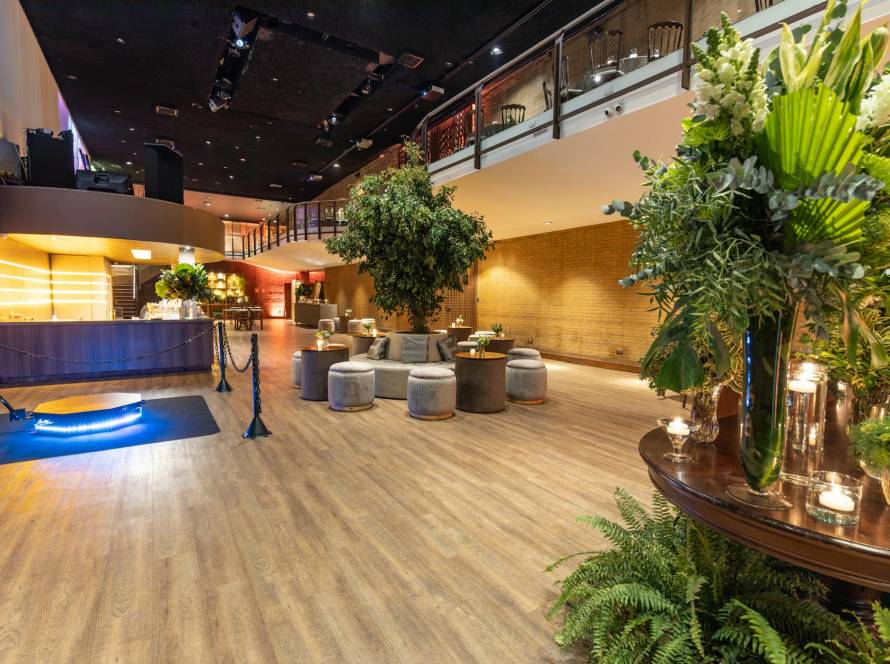
What was once a fragmented industry largely composed of informal decorators and caterers has transformed. Over the past decade, we’ve witnessed a dramatic professionalization. The rise of dedicated event management companies, specialized vendors, and purpose-built venues has legitimized the sector. This shift mirrors Nigeria’s broader economic development, turning what were once purely social functions into significant economic activities. The industry has moved from community halls to multi-million Naira conference centers and elegant venues with expansive outdoor and indoor event spaces like ours, designed for a new class of clientele.
The 2026 Snapshot: Market Size and Revenue
In 2026, the revenue sources for the Nigerian events industry are more diverse than ever. While social events remain a cornerstone, corporate budgets are now a primary driver. Revenue streams include venue rentals, planning and coordination fees, catering, technology rentals (A/V, lighting, streaming), security, and marketing. For a large-scale corporate conference in Lagos, a budget can easily run into tens of millions of Naira, covering everything from venue booking to international speaker fees.
Factors Driving Growth in Lagos’ Event Industry

Several key factors converge to make Lagos a hotbed for event industry growth. These are not isolated trends but interconnected forces creating a powerful cycle of demand and supply.
Key Drivers of the Lagos Event Boom
The ‘Lagos Effect’: A Unique Economic and Cultural Engine
Lagos is not just another city; it’s a megacity with an economic output that rivals entire countries. With a population exceeding 20 million people, its density and status as Nigeria’s commercial nerve center create a unique environment. A World Bank analysis on Lagos’s economy highlights its critical role in the national landscape. This concentration of corporate headquarters, financial institutions, and ambitious individuals fuels a relentless demand for meetings, conferences, product launches, and networking events. It’s a self-perpetuating cycle: economic activity drives the need for events, and successful events foster further economic activity.
A Burgeoning Middle Class and Corporate Expansion
As Nigeria’s middle class expands, so does its discretionary income and desire for more sophisticated social events. Weddings, milestone birthdays, and anniversary celebrations are becoming more elaborate, moving from simple family affairs to professionally managed productions. On the corporate side, both multinational corporations establishing a presence in Lagos and successful Nigerian enterprises are spending more on events. They use these platforms for brand building, employee engagement, and sales acceleration, directly contributing to the Lagos event industry growth 2026.
The Rise of “Experience Culture”
The global shift from owning things to experiencing them is deeply felt in Lagos. Today’s attendees, whether at a wedding or a corporate summit, expect more than just a room and a meal. They want immersive, memorable experiences. This has driven demand for high-quality venues, creative theming, and interactive elements. People are willing to pay a premium for an event that tells a story and provides unique photo opportunities for social media, further fueling the industry’s value chain.
Key Segments of the Lagos Event Market

The growth in Lagos isn’t monolithic. It’s powered by distinct segments, each with its own characteristics and trajectory. Understanding this segmentation is key to seeing the full picture.
Segmenting the Market: A Look at Event Types
Corporate Events: The Market Leader
Across Nigeria, analysis consistently shows that Corporate Events & Meetings held the leading position among By Type segments in 2025 and this trend continues to strengthen. This segment includes conferences, seminars, product launches, trade shows, and end-of-year parties. We’ve seen this firsthand at Regal Castle, with a significant increase in bookings for Corporate Events. Companies in tech, finance, and consumer goods are particularly active, using events as a primary tool for market positioning. Success in this area requires more than space; it demands reliability, high-tech amenities, and impeccable service—a core part of our event planning ethos.
Weddings and Social Gatherings: The Cultural Bedrock
While corporate events lead in market value, social events—especially weddings—are the industry’s high-volume cultural foundation. Nigerian weddings are legendary in their scale and importance. Families are willing to allocate substantial budgets, often running into many millions of Naira, to celebrate these unions. This segment drives a massive ecosystem of vendors, from wedding planners and decorators to photographers and entertainers. Venues that can offer a blend of elegance, capacity, and cultural understanding, especially for traditional ceremonies, remain in high demand. If you’re comparing options, understanding the differences between lagos wedding venues is a critical first step.
Concerts and Festivals: Entertainment’s Growing Clout
Lagos is the epicenter of Afrobeats and Nigeria’s booming entertainment industry. This has given rise to a fast-growing segment of music concerts, food festivals, and art exhibitions. These large-scale public events attract thousands of attendees and significant sponsorship from major brands. They require vast, versatile spaces and complex logistical planning, pushing the boundaries of what the local event infrastructure can support.
The conversation has shifted from ‘How much does it cost?’ to ‘What is the attendee experience?’ This focus on value over pure cost is the single biggest sign of a maturing market.
On-Premise Coordinator vs. Independent Event Planner
Many clients struggle with whether to use a venue’s in-house coordinator or hire an independent planner. Here’s a breakdown to clarify their distinct roles:
| Feature | Venue’s In-House Coordinator | Independent Event Planner |
|---|---|---|
| Primary Role | Manages all venue-related aspects: space, catering, in-house A/V, facilities. | Manages the entire event vision: overall budget, external vendors, guest experience, timeline. |
| Allegiance | Works for the venue. Their priority is a successful event within the venue’s policies. | Works for you, the client. Their priority is your vision, budget, and peace of mind. |
| Scope of Work | Limited to the venue’s domain. They don’t typically manage photographers, entertainers, or guest transportation. | Holistic. They are the single point of contact for all aspects of the event, inside and outside the venue. |
| Cost Structure | Usually included in the venue rental fee or has a specific service charge. | Charges a percentage of the total event budget (15-20%) or a flat management fee. |
Investment and Innovation: The Next Frontier
The rapid growth has naturally attracted investment and spurred innovation. This is where the future of the Lagos event scene is being shaped, moving beyond just providing space to curating entire experiences.
Where the Smart Money is Going
Investment opportunities abound in the Nigerian event market. We’re seeing capital flow into three main areas:
- Technology: Startups are developing ticketing platforms, event management software, and virtual/hybrid event solutions tailored for the local market.
- Specialized Vendor Services: High-end rental companies for luxury furniture, advanced audiovisual gear, and bespoke decor are seeing massive demand.
- Hospitality Infrastructure: Boutique hotels and large-scale event centers continue to be attractive long-term investments, providing the physical backbone for the entire industry.
Emerging Technologies Shaping Experiences
Technology is no longer an add-on; it’s central to the event experience. The use of AI in event planning is beginning to take root in Lagos, allowing for deep personalization of attendee communication and content. Virtual Reality (VR) is being used for venue tours and creating immersive brand activations. We are also seeing a major focus on hybrid events, requiring venues to have robust internet infrastructure and streaming capabilities to connect physical and virtual audiences, a key part of modern modern event technology trends.
The Sustainability Question
As the industry matures, so does its sense of responsibility. There is a growing conversation around sustainability in event planning. This aligns with global movements like the UN Sustainable Development Goals, which encourage responsible consumption and production. Clients and attendees are becoming more aware of waste, and planners are looking for ways to reduce the environmental footprint of events through digital invitations, locally sourced food, and waste management programs. This is a critical area of opportunity for companies to differentiate themselves.
Challenges and Opportunities in the Lagos Event Scene

Despite the vibrant growth, operating in the Lagos event market is not without its significant challenges. However, each of these hurdles presents a corresponding opportunity for skilled and prepared professionals.
Navigating the Hurdles: Infrastructure and Regulation
Infrastructural deficits remain the most significant challenge. Unreliable power supply necessitates large, expensive generators. The infamous Lagos traffic can cause major delays for vendors and guests, requiring meticulous logistical planning. Furthermore, navigating government regulations, which can sometimes be unclear or change unexpectedly, requires local expertise. These challenges make a compelling case for choosing partners with deep-rooted local knowledge. Being nestled in the heart of Lagos, we understand that overcoming these obstacles is part of the service.
A great venue in Lagos doesn’t just provide four walls. It provides solutions to the city’s inherent challenges—be it power, security, or logistics.
Finding the Right Professional Partner
The biggest opportunity for clients is to leverage professional expertise to mitigate these challenges. An experienced event planner or a well-managed venue acts as a shield, handling the complexities behind the scenes. This is why our Event Planning Assistance is more than just a add-on; it’s a core part of ensuring a flawless event. A good planner understands how to build contingency plans for traffic, has reliable vendor relationships, and knows how to navigate the local bureaucracy. This professional layer separates a stressful, chaotic event from a smooth, successful one.
5 Steps to a Flawless Corporate Launch in Lagos
- Define a Singular Objective: Before booking anything, decide the one primary goal. Is it lead generation, brand awareness, or internal morale? Every subsequent decision must serve this goal.
- Secure the Right Venue Early: The best venues in Lagos are booked 6-12 months in advance. Your venue choice dictates capacity, location, and overall attendee experience. Our location on Ikotun-Idimu Road, for example, offers a balance of accessibility and elegance.
- Build a Realistic ‘Lagos Budget’: Your budget must account for local realities. Allocate at least 15-20% for contingencies, especially for power (generator fuel) and logistics.
- Vet Vendors for Reliability, Not Just Price: In a market with varying quality, a vendor’s track record is paramount. Get recent references. A cheap vendor who fails to deliver can derail your entire event and damage your brand’s reputation.
- Develop a Master Logistics Plan: This plan should detail arrival/departure times for every vendor, a traffic contingency plan, and clear on-site communication channels. This is where professional professional event planning services prove their worth.
Further reading
FAQ
How much does the average large event in Lagos cost?
There’s a vast range, but a high-quality corporate event or large wedding for 300-500 guests can range from ₦15,000,000 to ₦50,000,000 and beyond. This covers venue hire, premium catering, top-tier decoration, A/V technology, and professional planning fees. The final cost depends heavily on the level of customization and the vendors chosen.
What are the biggest challenges when organizing an event in Lagos?
The top three challenges are consistently power supply, traffic logistics, and vendor reliability. Securing a venue with guaranteed 24/7 power and having an experienced planner to create a detailed logistics schedule are non-negotiable for a successful event.
How is technology changing events in Nigeria?
Technology is revolutionizing audience engagement and management. Event apps, QR code check-ins, live streaming for hybrid events, and interactive social media walls are becoming standard. Behind the scenes, according to a comprehensive market report, management software is helping planners become more efficient with budgeting and project tracking.
What government regulations affect event planning in Lagos?
Regulations can include permits from the Lagos State Signage and Advertisement Agency (LASAA) for event banners, consumption taxes on food and drink, and potentially noise permits depending on the location and scale of the event. A knowledgeable local partner is essential for ensuring full compliance.
Is the Lagos event industry a good investment in 2026?
All indicators point to yes. With a projected CAGR of over 11% for the national market and Lagos at its forefront, the industry shows robust fundamentals. The key is to invest in professional, high-quality niches—be it technology, specialized rentals, or premium venues—that cater to the market’s growing sophistication.
As the Lagos event industry growth 2026 continues its impressive trajectory, the demand for excellence, reliability, and unforgettable experiences will only intensify. This is a market that rewards professionalism and vision. For companies and individuals looking to host an event that reflects this new standard, choosing the right partner is the most critical decision. At Regal Castle Event Center, located on Ikotun-Idimu Road with a capacity for 500-1000 guests, we offer not just an elegant venue but a partnership dedicated to navigating this dynamic landscape. Contact us on 09165021815 today to begin planning your next landmark event.