The No-Nonsense Guide to Corporate Event Ideas Planning in Lagos for 2026
Most corporate-event-ideas/) events are a waste of money. There, I said it. Companies spend millions of Naira on gatherings that feel like obligations, where the jollof rice is more memorable than the keynote speaker and employees are counting the minutes until they can leave. Effective corporate event ideas planning isn’t about booking a room and ordering food; it’s about designing an experience that achieves a specific business goal. A successful event drives engagement, strengthens culture, and delivers a measurable return on investment, whether it’s a product launch, a team-building retreat, or an annual conference. It requires a clear strategy, meticulous execution, and a relentless focus on the attendee experience from start to finish.
The Impact of Corporate Events on Business Metrics
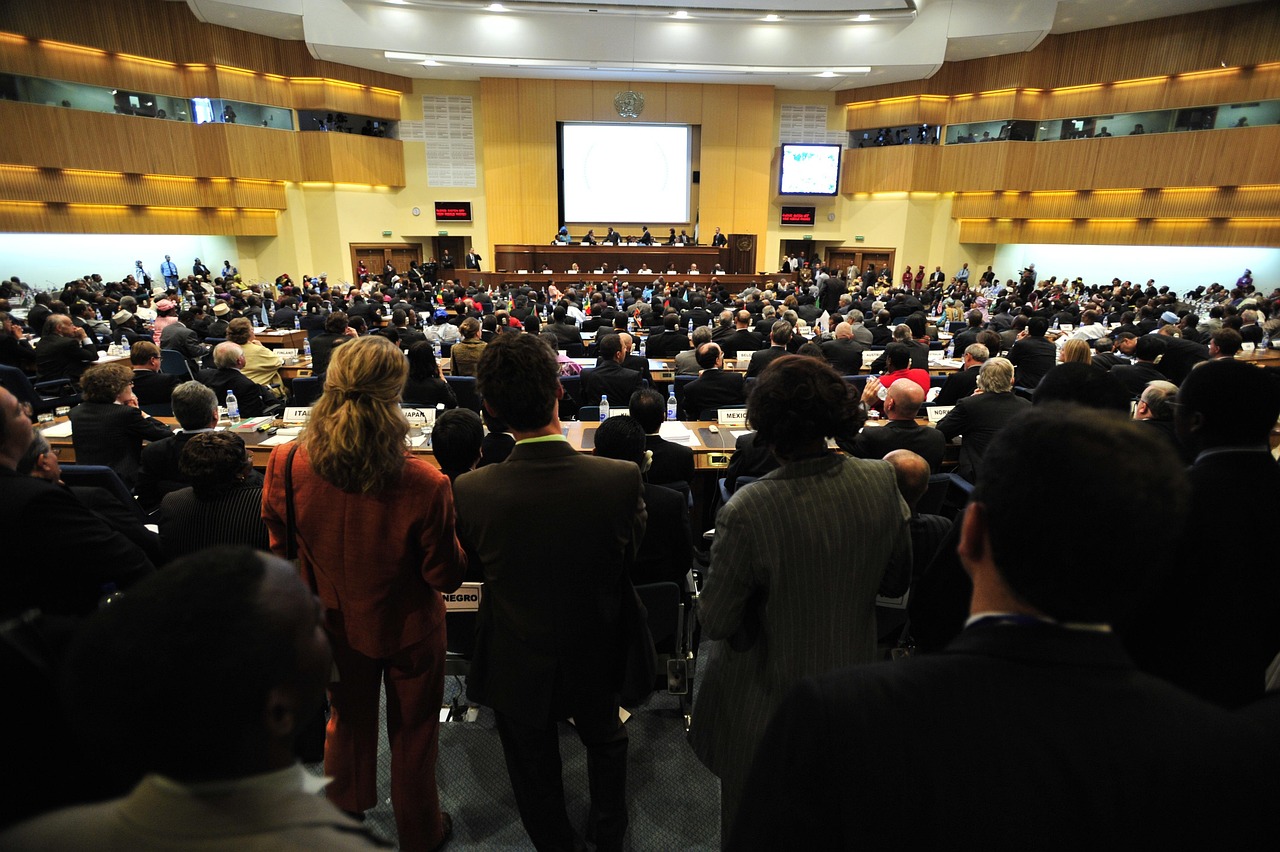
Many leaders view corporate events as a “soft” expense, a nice-to-have item on the budget. This is a fundamental misunderstanding of their potential. A well-executed event is a strategic tool. A Gallup poll found that businesses with highly engaged employees outperform their peers by 147% in earnings per share. Events are one of the most powerful—and most overlooked—ways to build that engagement. The conversations in the hallway, the shared laughter during a team activity, the inspiration from a great speaker; these moments forge connections and build alignment in a way that emails and video calls simply cannot.
The True Cost of ‘Boring’ Events
The biggest cost of a bad event isn’t the money spent on the venue or catering. It’s the opportunity cost. It’s the cost of your employees’ time, the damage to morale from a poorly-conceived “mandatory fun” day, and the message it sends that the company is out of touch. In a competitive market like Lagos, your top talent has options. An event that feels like a waste of time can subtly push them to look elsewhere. A disengaged employee costs their company an average of 34% of their annual salary in lost productivity, and a string of bad corporate events contributes to that disengagement.
Linking Events to KPIs: From Morale to Revenue
Every event must have a “why.” Before you even think about corporate event ideas planning, you must define what success looks like in concrete terms. Are you trying to increase lead generation by 20% with a product launch? Boost employee retention by 5% with a recognition gala? Improve cross-departmental collaboration with a team-building retreat? Attach your event to a key performance indicator (KPI). This transforms the event from an expense into an investment and provides a clear framework for every decision you make, from the guest list to the content.
Building Brand Equity, One Handshake at a Time
For external events like conferences or product launches, your event is your brand in three dimensions. It’s a chance for clients, partners, and prospects to experience your company’s culture and values firsthand. Is your registration process clunky or efficient? Is the staff helpful or indifferent? Is the venue impressive and professional? Every detail, from the cleanliness of the restrooms to the quality of the coffee, reflects on your brand. A great event builds trust and credibility that no marketing campaign can replicate.
Types of Corporate Events and Their Unique Planning Considerations

The term “corporate event” is a broad one. The planning, budget, and goals for a 20-person leadership offsite are radically different from a 1,000-person international conference. Choosing the right format is the first step in successful planning.
Conferences and Seminars: Knowledge as a Product
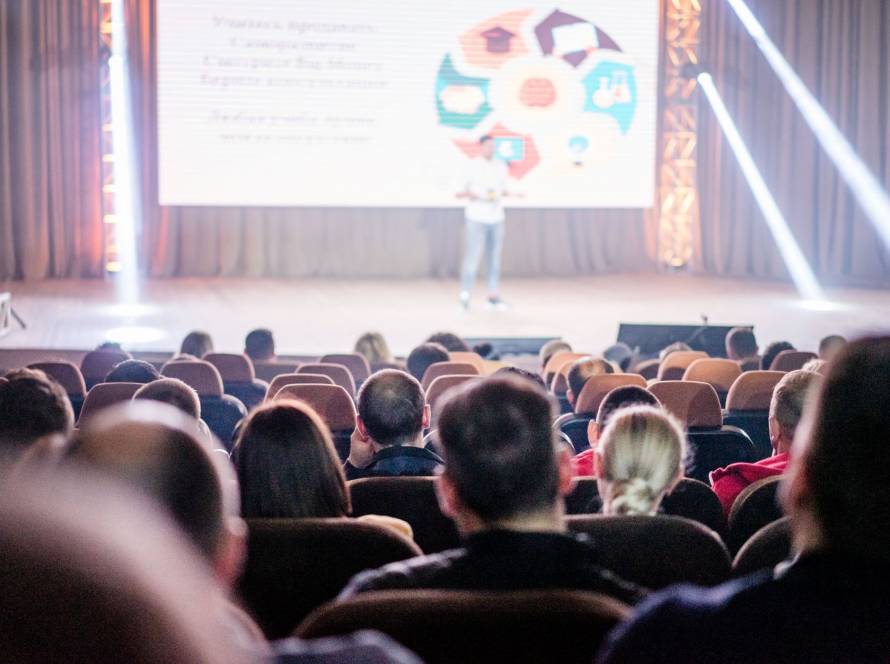
Here, the content is king. The primary goal is education and networking. Your budget will heavily skew towards speaker fees, audio-visual technology, and creating a comfortable learning environment. For a Lagos-based conference, this means ensuring reliable power, high-speed internet, and top-notch presentation equipment. Don’t forget the networking aspect; your floor plan should encourage mingling, with dedicated areas for breakout sessions and informal conversations.
Product Launches: Creating a Spectacle
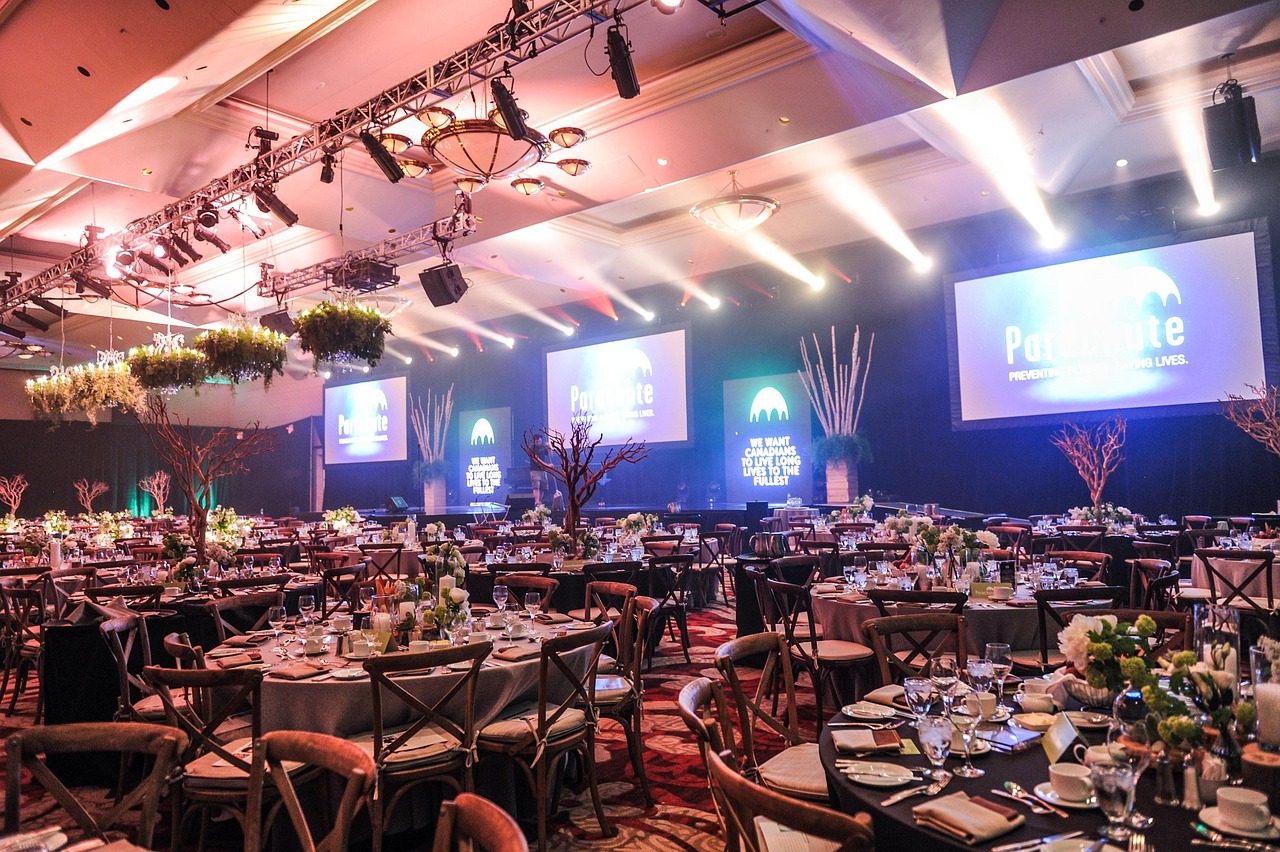
A product launch is a marketing event designed to generate buzz, press coverage, and sales. The focus is on creating a memorable and shareable experience. This means investing in thematic decor, interactive displays, high-quality lighting, and maybe even entertainment. The goal is to make your product the hero and get attendees to broadcast their experience on social media. The location is critical—it needs to be accessible, on-brand, and have the infrastructure to support a high-tech presentation.
Team-Building Retreats: Investing in Culture
These events are about pulling people away from their desks to connect on a human level. The key here is participation. Forget trust falls. Think about activities that require genuine collaboration, like a cooking class, a problem-solving workshop, or a community service project. The venue should facilitate this interaction. That’s why we offer choosing event spaces wisely, allowing for a mix of formal sessions and informal, relaxed activities. A retreat that just feels like more work in a different location has failed.
An event isn’t a distraction from the work. It is the work. The work of building culture, fostering relationships, and aligning a team towards a common goal.
Holiday Parties and Milestone Celebrations: Rewarding Success
The primary goal of these events is appreciation. It’s a chance for leadership to thank employees and celebrate shared victories. The focus should be on creating a fun, relaxed, and generous atmosphere. This is where you invest in high-quality food and drink, great music, and maybe a surprise or two. The message should be clear: we value your contribution, and we want you to have a fantastic time. Don’t skimp here; employees can tell the difference between a genuine celebration and a budget-conscious obligation.
The Corporate Event Planning Process: A Step-by-Step Guide

Great events don’t just happen. They are the result of a rigorous, disciplined process. Winging it is the fastest route to disaster. Here is a battle-tested framework for any corporate event.
- Define Goals & Objectives (Weeks 1-2): What is the business reason for this event? What is the one thing you want attendees to do, think, or feel after it’s over? Who is the target audience? How will you measure success? Don’t proceed until these questions have clear, written answers agreed upon by all stakeholders.
- Establish the Budget (Weeks 2-3): This is the second step, not the first. Once you know your goals, you can build a realistic budget to achieve them. Research costs in the local market (e.g., Lagos venue rentals, catering per head in Naira). A typical corporate event budget might allocate 30% to venue, 25% to catering, 15% to content/speakers, 10% to tech/AV, 10% to marketing, and 10% for contingency. We will explore more on this on the budget section.
- Build the Core Team (Week 3): Assign a clear project lead. Define roles and responsibilities. Will you handle it all in-house, or do you need professional help? Many venues, including ours, offer event planning assistance to help coordinate vendors and logistics, which can save you from critical mistakes.
- Set the Date & Book the Venue (Weeks 4-6): Check for conflicting industry events, public holidays, or school schedules. Finding the right venue is foundational. It affects everything from budget to attendee experience. In a busy city like Lagos, prime venues with a capacity of 500-1000 people can be booked up to a year in advance.
- Develop the Event Brand & Content (Weeks 7-12): Create a theme, a look, and a feel. Secure your speakers. Plan your agenda. Think of your agenda as a story with a beginning, middle, and end. How will you grab their attention at the start, maintain energy, and end on a high note?
- Vendor Selection & Management (Weeks 13-20): This is where you select your caterer, AV provider, security, entertainment, etc. Always get multiple quotes. Read reviews. Check references. Sign detailed contracts. This is a key area where hiring event vendors without proper vetting can lead to disaster.
- Marketing & Registration (Weeks 21-30): Launch your event website or registration page. Begin your promotional campaign. Use a professional platform like Cvent or Bizzabo to manage invitations, registrations, and payments. These tools provide a much better experience than spreadsheets and email.
- Final Preparations (Final 4 Weeks): Confirm everything with your vendors. Do a venue walkthrough. Prepare staff briefings. Finalize seating charts and name badges. Have a detailed run-of-show document that outlines every minute of the event, from setup to breakdown.
- Execution (Event Day): Be prepared for things to go wrong. Your job on event day is to be a calm, decisive problem-solver. Trust your team, trust your plan, and be visible to your guests.
- Post-Event Follow-up & Analysis (1-2 Weeks After): The event isn’t over when the last guest leaves. Send thank-you notes. Distribute post-event surveys. Analyze your data against the KPIs you set in step 1. Calculate your return on investment and create a detailed report for stakeholders.
Understanding Your Budget: Cost Breakdown
Talking about money is essential. A great idea without a realistic budget is just a dream. In Nigeria, costs can vary dramatically, so getting current quotes is critical, but you must have a logical starting point.
How Much Do Corporate Events Cost in Lagos?
This is like asking “How much does a car cost?” It depends entirely on the specifications. A half-day seminar for 50 people might cost ₦2,000,000 – ₦5,000,000. A full-day conference for 300 people could be ₦15,000,000 – ₦40,000,000. A high-end gala dinner or product launch for 500 guests can easily exceed ₦70,000,000, especially when factoring in top-tier entertainment, elaborate decor, and extensive marketing. The key is to start with your goals and per-head cost, not a vague total figure.
The Big Three: Venue, Catering, and Technology
Typically, these three items will consume 60-70% of your total budget. When choosing an event venue, look for transparent pricing. Does the fee include tables, chairs, basic lighting, and security? Or are those all extra line items? At Regal Castle, our packages are designed to be comprehensive. For catering, a per-head cost in Lagos can range from ₦15,000 for a basic buffet to over ₦50,000 for a multi-course plated dinner. Technology, including professional sound, projectors, screens, and staging, can quickly escalate, so get a detailed quote based on your specific presentation needs.
Hidden Costs and How to Avoid Them
New planners always get burned by hidden costs. Always ask your vendors about these:
- VAT and Service Charges: Is it included in the quote?
- Overtime Fees: For staff and venue if your event runs long.
- Power: In Nigeria, the cost of diesel for generators is a significant factor. Is it included?
- Permits: Such as noise permits or land use charges from the Lagos State Government.
- Contingency: Always have a 10-15% contingency fund. You will need it.
Beyond Jollof and PowerPoint: Interactive Corporate Event Ideas
Engagement isn’t a buzzword; it’s a requirement. No one wants to be talked at for six hours. The most successful events build in opportunities for attendees to interact with the content, the speakers, and each other.
People forget presentations. They remember experiences. The goal isn’t to fill a room; it’s to make the people in that room feel something.
Gamification and Competitions
Turn learning into a game. Create a leaderboard for your event app, rewarding attendees for visiting sponsor booths, asking questions in sessions, or connecting with other attendees. Host a hackathon or a business pitch competition with a real prize. The competitive element dramatically increases energy and participation.
Tech-Driven Interactivity: Live Polling and AR
Use technology to pull your audience into the presentation. Tools like Slido or Mentimeter allow presenters to conduct live polls, Q&As, and word clouds, displaying results in real-time. For product-focused events, Augmented Reality (AR) can allow attendees to explore a virtual model of a new product using their own phones. It’s a “wow” factor that also serves a purpose.
Themed Workshops and Skill-Building Sessions
Instead of a single speaker, offer multiple breakout workshops on different topics. Let attendees choose their own adventure. For a team-building day, a cocktail-making class, a painting workshop, or a session on data visualization with a tool like Tableau can be far more effective and memorable than a generic motivational speech.
Crucial Decisions: Venue, Vendors, and Technology
Your event is a complex machine with many moving parts. The partners you choose to supply those parts will determine whether the machine runs smoothly or breaks down.
Choosing a Venue: The Foundation of Your Event
The right venue makes everything easier; the wrong one makes everything harder. Consider these factors:
- Capacity & Layout: Can it comfortably hold your guests in the format you need (theatre, banquet, classroom)? Does it have breakout rooms?
- Location & Accessibility: Is it easy to find? Is there sufficient, secure parking? For attendees in Lagos, travel time is a major consideration.
- Infrastructure: Does it have stable power, fast Wi-Fi, modern restrooms, and professional on-site staff? Our location on Ikotun-Idimu Road was chosen for its accessibility.
- Ambiance: Does the look and feel of the venue match your brand and the tone of your event?
Vetting Vendors and Partners
Never choose a vendor based on price alone. Your caterer, AV company, and security team are extensions of your brand on event day. Ask for references from other corporate clients. Look at their past work. Read their online reviews. Ensure they have the proper licenses and insurance. A professional partner is a problem-solver, not just a service provider.
Essential Event Tech Stack for 2026
Running a corporate event in 2026 without the right technology is deliberately choosing to work harder and less effectively. Your core stack should include:
- Event Management Platform: Cvent, Bizzabo, or Eventbrite for registration, marketing, and analytics.
- Attendee Engagement App: A mobile app for the agenda, speaker bios, networking, and live polling.
- CRM Integration: A way to pipe the data from your event (leads, attendee interests) directly into your company’s CRM like Salesforce.
- Hybrid Event Technology: Even for in-person events, having a professional streaming setup (like vFairs) to create a virtual and hybrid solutions opens you up to a wider audience and extends the life of your content.
| Planning Function | In-House Planner | Venue Planner/Coordinator | Independent Agency |
|---|
Common (and Costly) Corporate Event Planning Mistakes
I’ve seen them all. Over the years, you notice patterns. The same few critical errors are responsible for the vast majority of event failures. Here are the big ones to avoid.
Mistake 1: No Clear Goal
This is the original sin of event planning. An event without a goal is just a party, and usually not a very good one. It leads to muddled messaging, a confused audience, and an inability to prove value afterward. If you can’t state the purpose of your event in a single, clear sentence, you’re not ready to start planning.
Mistake 2: Ignoring the Attendee Experience
Planners often get lost in their own logistics—food orders, bus schedules, speaker contracts—and forget to walk through the event from an attendee’s point of view. What is the registration process like? How long is the queue for the toilet? Is the room too cold? Is there somewhere to charge a phone? Small points of friction can add up to a negative overall experience.
Mistake 3: Inadequate Contingency Planning
“What if it rains?” is not a contingency plan. A real plan anticipates multiple potential points of failure and establishes a clear protocol for each. What if a keynote speaker cancels? What if the projector fails? What if there’s a medical emergency? What if a protest blocks the main road to the venue? This requires a written crisis management plan, clear communication channels, and staff trained to execute it. According to the ISO 20121 standard for sustainable event management, risk assessment is a core component of professional planning.
Measuring Success: Calculating the True ROI of Your Event
Proving the value of your event is not optional; it’s essential for securing future budgets and earning your seat at the strategic table.
Metrics That Matter: Beyond Attendance Numbers
Vanity metrics like registration numbers or social media impressions are nice, but they don’t tell the whole story. Focus on metrics tied to your original goals:
- Lead Generation: Number of qualified leads captured.
- Sales: Pipeline value influenced or direct sales closed.
- Employee Engagement: Changes in post-event pulse surveys.
- Brand Sentiment: Analysis of social media mentions and press coverage.
- Learning Objectives: Scores on post-session quizzes or assessments.
Tools for Post-Event Evaluation
Use a mix of quantitative and qualitative methods. Send a feedback survey within 24 hours using a tool like SurveyMonkey or Google Forms. The key is to ask specific questions tied to your goals. Don’t just ask “Did you enjoy the event?” Ask “On a scale of 1-10, how likely are you to recommend our new product to a colleague?” This is a form of Net Promoter Score (NPS) that gives you actionable data. You can find more about measuring event success with these powerful metrics.
Presenting the ROI to Stakeholders
Create a professional post-event report. Start with the event’s goals, then present the data that shows how you performed against those goals. Include attendee testimonials, photos, and press clippings. Most importantly, calculate the financial return. If the event cost ₦20,000,000 but generated ₦50,000,000 in new sales pipeline, the ROI is clear. This is how you transform the event function from a cost center to a value driver.
FAQ
How far in advance should I plan a corporate event?
For a large-scale event (300+ guests), you should begin the corporate event ideas planning process 9-12 months in advance, especially in a competitive market like Lagos for booking prime venues and speakers. For smaller events under 100 guests, 4-6 months is a more realistic timeline. The more complex the event, the longer the lead time required.
What’s a reasonable budget for a corporate event in Lagos?
There is no one-size-fits-all answer. A budget is built from your goals, not the other way around. A good starting point is to budget on a per-head basis. A simple internal event might be ₦20,000-₦35,000 per person, while a high-end external conference could be ₦100,000 per person or more. The key is to itemize everything; venue, food, drinks, tech, speakers, and that all-important 15% contingency fund.
How do you keep attendees engaged during a long conference?
You have to vary the format. Don’t schedule more than 90 minutes of passive listening without a break or change of pace. Use interactive tools like live polls. Incorporate short, energetic “micro-sessions” or hands-on workshops. Ensure your networking breaks are well-structured and the catering is high quality. Good coffee and reliable Wi-Fi are non-negotiable engagement tools.
What are the legal permits needed for large events in Lagos?
This can be complex and depends on the size and nature of your event. You might need permits from the Lagos State Safety Commission, the Lagos State Environmental Protection Agency (LASEPA) for noise control, and the Lagos State Signage and Advertisement Agency (LASAA) for any branding. It is highly advisable to work with your venue or a local event planner who understands the specific requirements and can manage the application process.
Planning a corporate event that truly delivers is hard work, but it’s some of the most impactful work a company can do. It’s an opportunity to shape culture, build your brand, and drive real business results. If you’re ready to move beyond obligated attendance and start creating experiences that matter, let’s talk. We have the space, the team, and the expertise to help you make it happen. Reach out to the team at Regal Castle today.