A Practical Guide to Event Planning Services in Nigeria
Most people think event planning is just about picking pretty colours and making a schedule. They are mistaken. In Nigeria, and especially in a city as dynamic as Lagos, a professional planner does not just manage your event; they insulate it from the beautiful, unpredictable reality of our environment. The best event planning services in Lagos provide a buffer between your vision and the logistical hurdles of power fluctuations, vendor reliability, and city-wide traffic jams. It is a service built on foresight, deep local networks, and an unflinching ability to solve problems on the fly, truly navigating complexity for flawless execution.
The Nigerian Event Planning Market: Size and Growth
The events industry in Nigeria is not just growing; it is exploding. Driven by a vibrant social culture, a growing corporate sector, and a huge youth population, the demand for professionally managed events has never been higher. Projections show the Middle East and Africa events market, of which Nigeria is a significant part, is on a steep upward trajectory. According to Research and Markets, the MEA events industry is projected to reach $76.67 billion by 2028, a testament to the region’s dynamism. For clients, this means more choice and higher standards. For planners, it means intense competition where only the most organized and resourceful thrive.
What to Expect from Event Planning Services in Nigeria
Understanding the scope of services is the first step to hiring successfully. It goes far beyond simple coordination; it’s about comprehensive management.
Core Service Offerings
A planner’s involvement can be scaled to your needs. This generally falls into three categories:
- Full-Service Planning: The planner is involved from the initial concept to the final breakdown. This includes budget creation, venue sourcing, vendor management, design, logistics, and on-the-day execution. This is the most comprehensive option, ideal for large-scale weddings, corporate functions, and milestone celebrations.
- Partial Planning: For clients who have already started planning—perhaps booked a venue or a few key vendors—a planner can step in to manage the remaining elements. This offers a balance of professional support and hands-on client involvement.
- Day-of Coordination: This is a misnomer; work typically begins 4-6 weeks before the event. The coordinator synchronizes the vendors you’ve already hired, creates a detailed timeline, and manages the entire event day so you can be a guest at your own party. This is the safety net every large event needs.
Client Reviews and Testimonials: The Real Measure of Success
In our industry, reputation is everything. A planner’s portfolio shows you the “what,” but client reviews tell you the “how.” Look for consistent themes in feedback. Do former clients praise their calmness under pressure? Their communication? Their ability to manage the budget? A “5.0” star rating is a great signal, but the text of the reviews reveals the true story of their working style. Platforms like Instagram and a planner’s own website are goldmines for this kind of qualitative data. Top planners in Nigeria, from Zapphaire Events to TrendyBEE Events, build their brands on glowing testimonials.
The Planner’s Experience: Why “10 Years Experience” Matters
Experience isn’t just a number; it represents a deep well of solved problems. An event planner with over a decade of experience in the Nigerian market has built a bulletproof list of vendors. They know which caterer can handle a 700-guest traditional wedding and which one excels at intimate corporate dinners. They know the alternate routes to take when the Third Mainland Bridge is at a standstill. They have backup generators for their backup generators. This decade of experience means they have faced and overcome nearly every conceivable issue, translating into a smoother, less stressful experience for you.
Factors Influencing Event Planning Costs in Nigeria
Budgeting for an event is a major source of anxiety, and it’s where a good planner first demonstrates their value. They help you understand where the money goes so you can allocate it wisely. As a venue that hosts hundreds of events, we see firsthand how a well-managed budget, guided by an expert, can achieve stunning results.
Average Planner Fees and Pricing Models
Planner compensation structures vary, and you should understand each model before signing a contract. The cheapest option is rarely the best.
| Planner Type | Typical Fee Structure | Estimated Cost (Naira) | Best For… |
|---|---|---|---|
| Full-Service Planner | 15-20% of the total event budget, or a flat fee | ₦1,500,000 – ₦10,000,000+ | Large, complex events like weddings or multi-day corporate conferences. |
| Partial Planner | A fixed fee based on a pre-agreed scope of work | ₦750,000 – ₦2,500,000 | Clients who need help with specific areas but want to manage other parts themselves. |
| Day-of Coordinator | A flat fee for a specific block of hours/weeks | ₦300,000 – ₦800,000 | Clients who have planned everything but need a professional to execute on the day. |
| Hourly Consultant | Per-hour billing for specific advice or tasks | ₦40,000 – ₦220,000+ per hour | Getting expert advice on a specific challenge, like vendor contracts or budget review. |
Some freelancers on international platforms might advertise rates as low as ₦16,000/hr, but these services often lack the local knowledge, vendor relationships, and on-site capabilities essential for a successful event in Nigeria.
Your Event Type and Its Budget Implications
Not all events are created equal. A 50-person corporate event has a vastly different cost structure than a 500-person wedding. Weddings often involve more emotional weight and a wider array of vendors (florists, entertainment, traditional ceremony elements). Corporate conferences, on the other hand, place a premium on technology, branding, and seamless logistics. A good planner understands these nuances and helps you prioritize spending based on the event’s primary goals.
A planner isn’t an expense; they are an investment in efficiency and risk management. Their fee is often offset by the savings they generate through negotiated vendor discounts and by avoiding costly mistakes.
Key Players and Their Roles in a Nigerian Event

Pulling off a flawless event requires a team of specialists, all orchestrated by your planner. Think of your planner as the director of a film and the other players as the cast and crew.
The Planner: Your Conductor
This is the central hub. The planner is your primary point of contact and the one who coordinates all other stakeholders. They translate your vision into a workable plan, manage the budget, and serve as the final decision-maker on logistics during the event day. Their authority ensures every other vendor works in harmony.
The Venue: Your Foundation
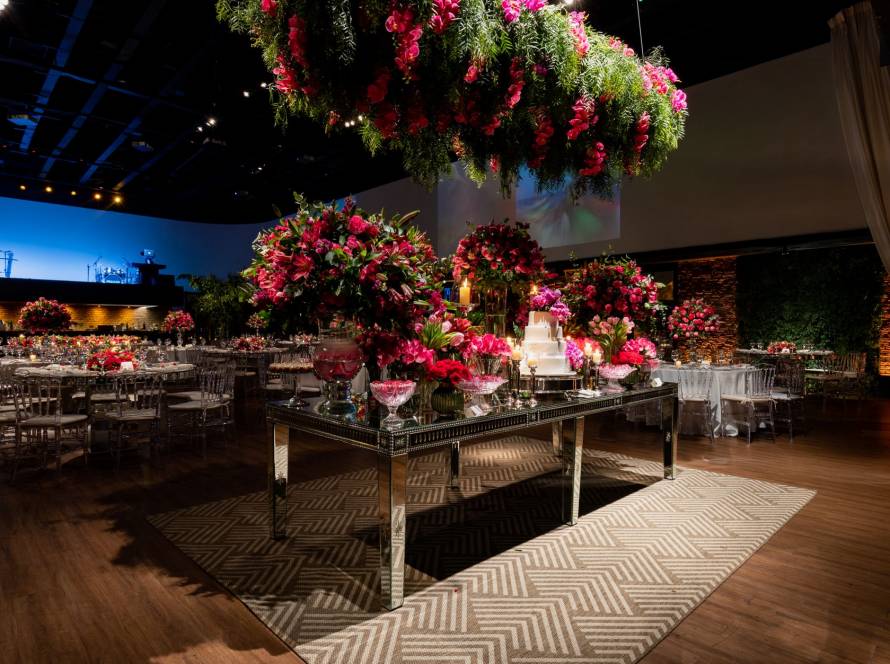
The choice of venue is the single most impactful decision you’ll make. It dictates the date, capacity, location, and overall ambiance of your event. Here at Regal Castle, we are more than just a space. Nestled in the heart of Lagos, our venue was designed for both elegance and practicality. We provide expansive outdoor and indoor event spaces that can accommodate 500-1000 guests, giving planners a versatile canvas to bring their creative visions to life.
The Vendors: Your Specialized Crew
This is the ecosystem your planner curates. It includes:
- Caterers: From traditional Nigerian cuisine to continental dishes.
- Decorators & Florists: They transform the raw space into your desired theme.
- AV & Tech Crew: Responsible for lighting, sound, screens, and any virtual/hybrid components.
- Entertainment: Bands, DJs, MCs.
- Security: A non-negotiable for large events in Lagos, ensuring crowd control and guest safety.
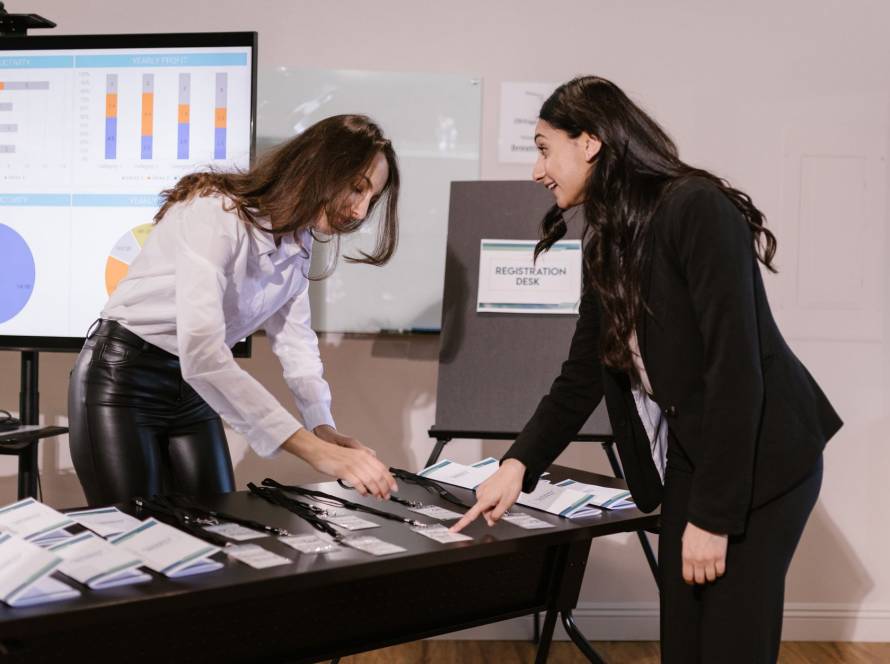
- Ushers & Protocol: Professional hosts who manage guest flow and seating.
Understanding the Event Planning Process in Nigeria

While every event is unique, the professional process for getting there is structured and methodical. A seasoned planner will guide you through these key phases.
- Initial Consultation & Vision Casting: This is where you share your ideas, goals, guest count, and desired feel. The planner listens, asks probing questions, and determines if it’s a good fit. This stage is about aligning on the vision and expectations.
- Proposal & Budgeting: The planner will present a detailed proposal outlining the scope of their services and an estimated budget for the entire event. This budget should be a realistic, line-itemed document that becomes your financial roadmap.
- Vendor Selection & Contract Negotiation: The planner leverages their network to recommend trusted vendors who fit your style and budget. They handle the back-and-forth, review contracts, and secure the best possible terms—a value often overlooked. According to the Events Industry Council, contract management is a core competency for certified professionals.
- Logistics & Timeline Management: This is the project management core of the job. The planner creates a master timeline with all deadlines, payment schedules, and dependencies. They coordinate load-in times, power requirements, and floor plans.
- The Event Day: The planner is the first to arrive and the last to leave. They are the on-site director, managing vendor-caterer-entertainment flow, troubleshooting issues, and keeping everything on schedule, invisible to your guests.
- Post-Event Wrap-up: A professional’s job isn’t over when the last guest leaves. This includes supervising venue cleanup, managing final vendor payments, and conducting a post-mortem with you to gather feedback.
Navigating Local Challenges: Planning an Event in Lagos
Anyone who has tried to organize even a small gathering in Lagos knows the unique challenges. This is where local event planning services are not a luxury but a necessity.
The Vendor Ecosystem: Finding Reliable Partners
Nigeria has a wealth of talented event vendors, but quality and reliability can vary wildly. A professional planner has already done the vetting. They have a curated list of vendors for every budget level who are known for their professionalism, quality, and ability to deliver under pressure. This insulates you from suppliers who might over-promise or fail to show up.
Logistics and Infrastructure
Let’s be honest: traffic, power, and security are major considerations for any event in Lagos. An experienced planner mitigates these risks proactively.
- Traffic: They will advise on event timing to avoid peak congestion and plan shuttle services or clear travel directions for guests.
- Power: They will ensure the venue has a primary generator and a backup generator. Many planners will even have a third, independent power source on standby. Nothing kills an event faster than a power outage.
- Security: Professional security teams are essential for crowd management and to ensure the safety of guests and their property. A planner will have standing relationships with reputable security firms.
In Lagos, the best event planners are part-time innovators, part-time logisticians, and full-time miracle workers. They don’t just plan for what will go right; they plan for everything that could possibly go wrong.
Regulations and Permissions
Depending on the scale and location of your event, you may need permits from local government bodies or resident associations. A planner who works regularly in a specific area, like Lagos, will be familiar with the requirements from bodies like the Lagos State Safety Commission. They handle the paperwork and ensure your event is fully compliant, avoiding the risk of a shutdown.
Key Revenue Streams for Event Planners
To understand a planner’s value, it helps to see how their business operates. They are not just booking vendors; they are running complex service operations. Their revenue typically comes from a blend of sources: planning fees (their primary income), commissions or markups from vendors (which should be transparently disclosed), and rentals of specific decor or equipment they may own.
Choosing the Right Event Planner in Nigeria
With so many options, from large agencies to independent planners, how do you choose? Look for three things: process, specialization, and network.
Look Beyond the Portfolio: Ask About Their Process
A beautiful portfolio is great, but it doesn’t tell you how they handled a crisis. Ask them to walk you through a past event that had a major issue. How did they solve it? Their answer will reveal more about their competence than any staged photo. Look for a structured approach that prioritizes communication and problem-solving.
Do They Understand Your Specific Event Type?
The skills for planning a large Yoruba traditional wedding are different from those needed for a fintech company’s annual conference. A planner who specializes in corporate events will have a deep understanding of branding integration, AV technology, and managing executive expectations. We at Regal Castle see this distinction clearly; while our venue is versatile, a planner who understands the specific flow of a corporate function can make one of our spaces truly shine. In contrast, a top wedding planner will have deep connections with the best traditional caterers and Alaga Iduro/Ijoko.
Assess Their Local Network
Ask potential planners which vendors they work with most often. A strong planner will have a core team of trusted partners but should also be flexible enough to work with new vendors you might want to bring in. Their network is their superpower and a direct benefit to you. The rise of virtual and hybrid events also means they should have proven partners for streaming and online guest engagement, a key trend in event technology.
FAQ
What’s the difference between a venue coordinator and an event planner?
A venue coordinator works for the venue. Their primary responsibility is to the venue—managing the space, in-house staff, and facilities. An event planner works for you. They manage all aspects of your event, including coordinating with the venue coordinator, but their loyalty and focus are entirely on you and your vision.
How much should I budget for event planning services in Nigeria?
Expect to allocate 15-20% of your total event budget for a full-service planner. For a ₦10,000,000 wedding, this would be ₦1,500,000 to ₦2,000,000. While this sounds substantial, a good planner often saves you money through vendor negotiations and by preventing costly mistakes, effectively making their service pay for itself.
How far in advance should I hire an event planner?
For large events like weddings, you should hire a planner 9-12 months in advance, or as soon as you have a date in mind. Good planners are booked well in advance. For corporate events, 4-6 months is a common timeframe, though larger conferences may require a year or more.
Can a planner help with virtual or hybrid events?
Yes, and this is now a core competency for modern event planners. They can manage the technical production, virtual platform, and content for online attendees, ensuring a cohesive experience for both in-person and remote guests. This requires a specific skill set, so be sure to ask about their experience with hybrid models.
What legal aspects or licenses are needed for events in Lagos?
This depends on your event’s size, nature, and location. You might need noise permits, alcohol licenses, or clearance from the Lagos State Safety Commission. A professional planner will be aware of these requirements and will handle the application process as part of their service.
Planning an event in Nigeria is a significant undertaking, but it doesn’t have to be a stressful one. The right partner can transform a potentially overwhelming process into an exciting, creative journey. By offering Event Planning Assistance, we have seen firsthand how professional guidance empowers clients to host truly memorable occasions. If you’re beginning to plan your next wedding, corporate gathering, or milestone celebration, let’s talk about how we can build a flawless experience together in the heart of Lagos.