What is the Future of Event Experiences? A 2026 Deep Dive for Nigeria
“Stop chasing bigger fireworks. The assumption that the future of events is about more noise and flashier tech is where most planners get it wrong. For years, the metric for success was the “wow factor,” but that often translated to expensive, fleeting gimmicks. The real evolution isn’t about what you can add, but how deeply you can connect. The future of event experiences is a sophisticated blend of invisible technology, radical personalization, and an unapologetic return to authentic human connection. It’s about transforming passive attendees into active participants and creating memories that extend far beyond the venue walls, a philosophy we’ve embedded in our approach here in Lagos, as we explore event technology trends for 2026.”
The Transformative Power of Technology in Event Experiences

Technology is the new backbone of event management, but its best applications are often the ones guests never consciously notice. It’s not about overwhelming people with screens; it’s about removing friction and opening up new avenues for engagement. According to a Bizzabo report, a significant majority of event organizers are already using technology to create more engaging experiences, and this trend is only accelerating into 2026.
AI as Your Co-pilot, Not Your Replacement
Artificial Intelligence (AI) isn’t here to take the event planner’s job. It’s here to augment it. Think of AI as the ultimate assistant, handling repetitive tasks and unearthing insights that allow planners to focus on high-touch, creative work. AI can analyze attendee data to suggest personalized session tracks, optimize event layouts for better traffic flow, and even power chatbots that provide instant answers to guest queries 24/7. This frees up human planners to do what they do best: build relationships and orchestrate unforgettable moments. For instance, 67% of event leaders see the value in AI for streamlining event tasks.
Frictionless Journeys from Check-in to Checkout
The era of long queues and clunky registration processes is over. The future is a frictionless attendee journey. Using facial recognition for secure, instant check-in, NFC or RFID wristbands for cashless payments, and smart navigation apps to guide guests through large venues are no longer futuristic concepts—they are becoming the standard. At Regal Castle Event Center, we see how a smooth logistical experience sets the tone. If a guest’s first impression is a 20-minute wait, the event is already starting at a disadvantage. This technological integration must be flawless to maintain the magic.
The Ethical Compass: Data Privacy and AI Bias in Events
As we collect more data to personalize experiences, we take on a greater responsibility to protect it. The future of events demands a strong ethical framework. This means being transparent about what data is collected and how it’s used, ensuring robust cybersecurity measures are in place (much like our own 24/7 CCTV surveillance), and actively auditing AI tools for potential bias. An AI that only recommends sessions based on a person’s past roles could inadvertently limit their exposure to new ideas. The ethical event professional of 2026 doesn’t just use tech; they question it and hold it to a higher standard.
Crafting Immersive and Personalized Attendee Journeys

A one-size-fits-all approach is a death sentence for engagement. Today’s attendees don’t just want to be in the room; they want to feel that the room was designed for them. Personalization is the currency of modern events, turning a generic gathering into a unique, individual experience.
From Micro-Events to Micro-Experiences
The trend of micro-events—highly curated gatherings of 10 to 50 participants—has taught us a valuable lesson: intimacy is impactful. While not every event can be small, the principle can be scaled. The future lies in creating “micro-experiences” within a larger event. This could mean dedicated networking pods for specific industries at a large conference, hands-on workshops for small groups, or exclusive Q&A sessions with speakers. It’s about building smaller communities within the larger event population to foster deeper connections.
Personalization at Scale: Tailoring Experiences with Data
True personalization goes beyond printing a name on a badge. It’s about using data to anticipate an attendee’s needs and interests. Pre-event surveys can gauge topic preferences, allowing the event app to recommend a personalized agenda. On-site, beacon technology can send relevant notifications, like letting an attendee know a connection from their LinkedIn network is in the same breakout session. According to EventMB, 50% of event leaders are focused on delivering more personalized content and experiences, a number that is sure to grow.
The most powerful event technology isn’t the flashiest screen or the loudest speaker. It’s the invisible system that makes every single attendee feel seen, understood, and catered to personally.
Building Communities, Not Just Attendee Lists
The experience shouldn’t end when the lights come up. Future-focused events are platforms for year-round community engagement. This involves creating dedicated online forums, hosting follow-up virtual roundtables, and sharing content that extends the life of the event. By transforming a one-time event into an ongoing community, planners create lasting value and build a loyal audience that is eager to return. This is a core part of building a strong brand, whether for a corporate conference or an annual festival.
The Evolution of Event Venues: Beyond Four Walls

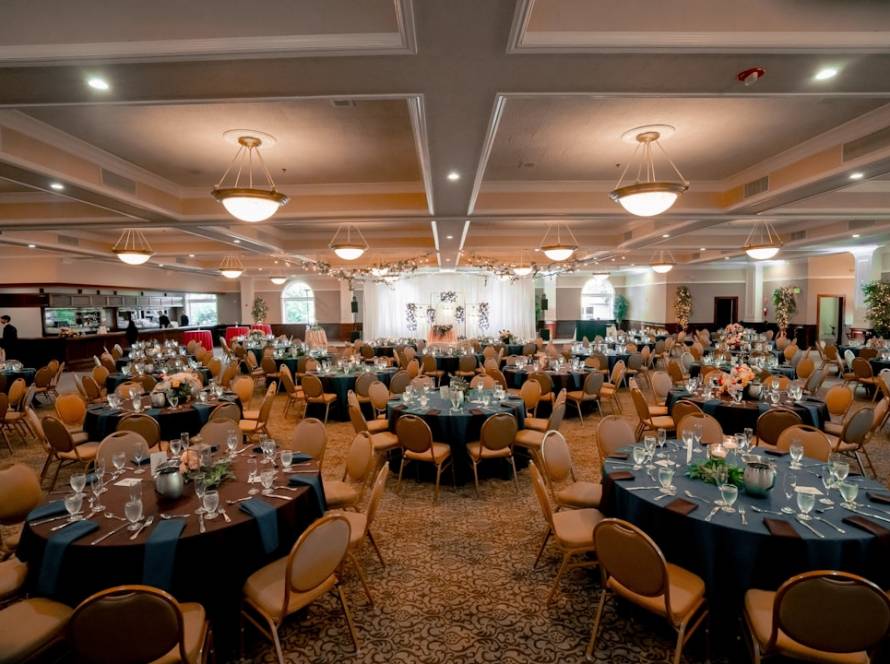
Venues are no longer passive backdrops; they are active contributors to the event experience. The right space can amplify your message, facilitate connections, and adapt to the increasingly complex demands of modern events. This is why having options, like our expansive outdoor and indoor event spaces here at Regal Castle, is critical.
The Blended Reality: Hybrid Events Take Center Stage
Hybrid isn’t a buzzword; it’s the new standard. A 2023 report from Statista highlights the continued growth and forecasted value of the virtual and hybrid event market. The future isn’t a battle between in-person and virtual; it’s a synthesis of the two. A truly successful hybrid event treats the virtual audience as first-class participants, not second-class observers. This requires venues with robust technical infrastructure for high-quality streaming, dedicated hosts for the online audience, and creative formats that bridge the gap between the physical and digital attendees.
Smart Venues, Smarter Experiences
Smart venues use IoT (Internet of Things) technology to create responsive, intelligent environments. Imagine lighting and temperature adjusting automatically based on crowd density, or digital signage updating in real-time to direct attendees to the least crowded restroom. This technology not only enhances guest comfort but also provides planners with invaluable data on attendee behavior, helping to improve the layout and flow of future events.
Why Your Venue Choice Still Defines the Experience
Even with the rise of hybrid options, the physical venue remains the heart of an in-person event. Its location, aesthetic, and flexibility set the stage. A venue in a central, accessible location like our home base in Lagos respects attendees’ time. A venue with both indoor and outdoor capabilities allows for creative event design and contingency planning. And a venue with vendor-friendly policies allows you to bring in the best team for your vision. Technology is a powerful tool, but it is most effective in a physical environment that is already conducive to a great experience.
Data-Driven Decisions: The New Creative Compass
Intuition will always play a role in event planning, but it’s no longer enough. The most successful event strategies are now underpinned by data, providing clear insights into what works and how to improve. About 52% of event leaders state that measuring event ROI is a top priority, and data is the key to doing so accurately.
Evolving Skillsets for the Event Professional of Tomorrow
The shift towards technology and data means the required skillset for event professionals is changing. Soft skills like communication and creativity are still vital, but they must be complemented by hard skills in data analysis, digital marketing, and tech management. Understanding how to interpret an engagement report is now as important as knowing how to select a menu.
| The Traditional Planner | The Future-Ready Planner |
|---|---|
| Focus on logistics and operations | Focus on experience design and strategy |
| Relies on anecdotal feedback | Uses data analytics to measure success |
| Manages vendors | Builds strategic partnerships |
| Tech is an afterthought | Tech is integrated from the start |
| Measures success by attendance | Measures success by engagement and ROI |
Process for Planning a More Sustainable Event
Integrating sustainability is now a critical part of the planning process. Here is a simple, five-step approach:
- Set Clear Goals: Decide what you want to achieve. Is it reducing waste by 50%, sourcing 80% of food locally, or achieving carbon neutrality? Define your targets early.
- Choose Sustainable Partners: Select a venue and vendors that share your commitment. Ask about their sustainability policies before you sign any event venue contracts.
- Minimize Waste: Eliminate single-use plastics. Opt for digital signage and apps over printed programs. Work with your caterer on a plan to donate or compost leftover food.
- Educate Attendees: Communicate your sustainability goals to your guests. Encourage them to participate by bringing reusable water bottles or using public transport.
- Measure and Report: Track your progress against your goals. After the event, share your results—both successes and areas for improvement—to build transparency and inspire others.
The ultimate metric of an event’s success is no longer just how many people showed up. It’s how many felt a genuine connection, learned something new, or left feeling truly inspired.
Sustainability and Social Responsibility in Event Planning
The future of event experiences also carries a conscience. Attendees, particularly younger generations, are increasingly aware of the environmental and social impact of their activities. Ignoring sustainability is no longer an option; it’s a reputational risk and a missed opportunity for deeper connection with your audience.
The Rise of the Conscious Attendee
Today’s event-goer wants to know that their participation isn’t contributing to environmental harm. They are drawn to events that align with their values. An extensive guide by the Event Manager Blog outlines how sustainability is becoming a key decision-factor for attendees. This means everything from the carbon footprint of travel to the amount of food waste generated is under scrutiny. Planners who embrace sustainability are not just doing the right thing; they are meeting a growing market demand.
Practical Steps for Greener Events in Lagos
Implementing sustainable practices in a bustling city like Lagos has its own set of challenges, but it’s entirely achievable. Start by prioritizing local sourcing for catering to reduce transport emissions and support the local economy. Partner with waste management companies like Wecyclers that specialize in recycling solutions in Nigeria. Instead of imported floral arrangements, explore creations from local artisans using sustainable materials. The key is to think creatively and leverage local resources.
Social Impact as an Event Goal
Beyond environmental concerns, events can be powerful platforms for positive social change. This can be as simple as donating a portion of ticket sales to a local NGO or as integrated as building a volunteer activity into the event program. For corporate events, this can be a powerful way to demonstrate CSR (Corporate Social Responsibility) values in action. Partnering with organizations like the Lagos Food Bank Initiative to donate unserved food is a prime example of an event creating a positive local legacy.
The Unwavering Importance of Human Connection
For all the talk of AI, data, and hybrid formats, we must never forget the fundamental reason people gather: for each other. Technology and data are merely tools to facilitate and deepen human connection. The future of event experiences relies on using these tools to create environments where authentic interactions can flourish.
Designing for Emotional Impact and Cultural Relevance
An event that resonates is one that makes people feel something. This is achieved through powerful storytelling, immersive sensory experiences, and content that speaks to the specific cultural context of the audience. In a diverse and vibrant city like Lagos, celebrating local culture, music, and art within an event is a powerful way to create a memorable and authentic experience. It shows an understanding and respect for the community you are hosting.
The Human Touch in a High-Tech World
Finally, the role of the event host and staff is more important than ever. In a world of automated check-ins and chatbot assistants, a warm, genuine welcome from a human being stands out. Empowering your team to be proactive problem-solvers and gracious hosts is the ultimate form of personalization. That’s where our event planning assistance becomes invaluable, ensuring there’s always a knowledgeable, friendly face to help make connections happen. As a leading event professional in Lagos, I can attest that no amount of tech can replace a well-trained, empathetic team.
Frequently Asked Questions
How will AI change my role as an event planner?
AI will handle more of the logistical and data-analysis tasks, freeing you up to focus on strategy, creative design, and building relationships with clients, sponsors, and attendees. It makes the human element of your job more, not less, important.
Are virtual events going to disappear?
No, they are evolving. The future is hybrid. While the demand for in-person events is strong, the accessibility and reach offered by a virtual component are too valuable to ignore. For a deeper look, you might find our guide to hybrid event solutions helpful.
How can a small business afford these new event technologies?
Many advanced event technologies are now offered as scalable, subscription-based services (SaaS), making them more accessible. Start small. You don’t need to implement everything at once. Focus on one or two technologies that solve your biggest pain points, such as a streamlined registration process or a simple event app.
What is the most important trend in events for 2026?
The most critical trend is the synthesis of technology and personalization to enhance human connection. It’s not one single technology or idea, but the philosophy of using all available tools to make large events feel personal and to create a lasting sense of community.
How does Regal Castle prepare for the future of events?
We focus on flexibility and quality. Our venue on Ikotun-Idimu Road, with a capacity for 500-1000 guests, is designed to accommodate everything from large corporate functions to intimate private parties. By providing both expansive indoor and outdoor spaces and offering expert event planning assistance, we create a foundation on which our clients can build any future-forward experience they can imagine.
Ready to create an event that defines the future? We are, too. Our team at Regal Castle is dedicated to blending innovative execution with the timeless warmth of Nigerian hospitality. Contact us on 09165021815 to schedule a tour and let’s start planning your next unforgettable experience in the heart of Lagos.