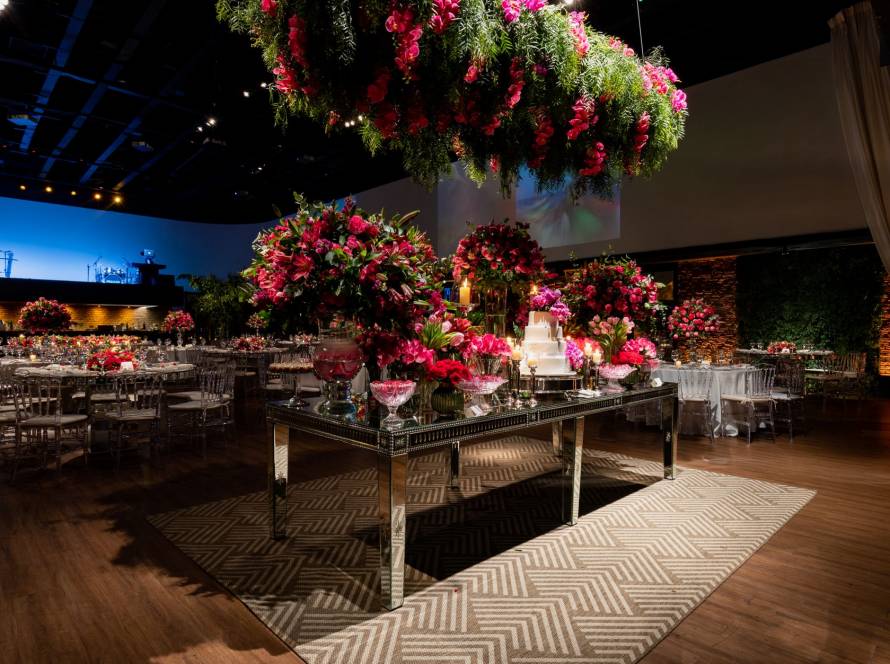
Stop reading generic blog posts about “the future of events.” Most are written by marketers who have never managed a frantic bride, a corporate budget, or the controlled chaos of a 500-person gala. They talk about “experiences” as if it’s a new concept. Here in Lagos, we’ve always known an event is a feeling, not just a function. The real event industry trends 2026 aren’t about flashy new tech for its own sake; they’re about using new tools to deliver deeper, more meaningful human connections. The most significant shift is the focus on hyper-personalization at scale, moving from one-size-fits-all packages to bespoke experiences driven by data, sustainability, and immersive, multi-sensory elements.
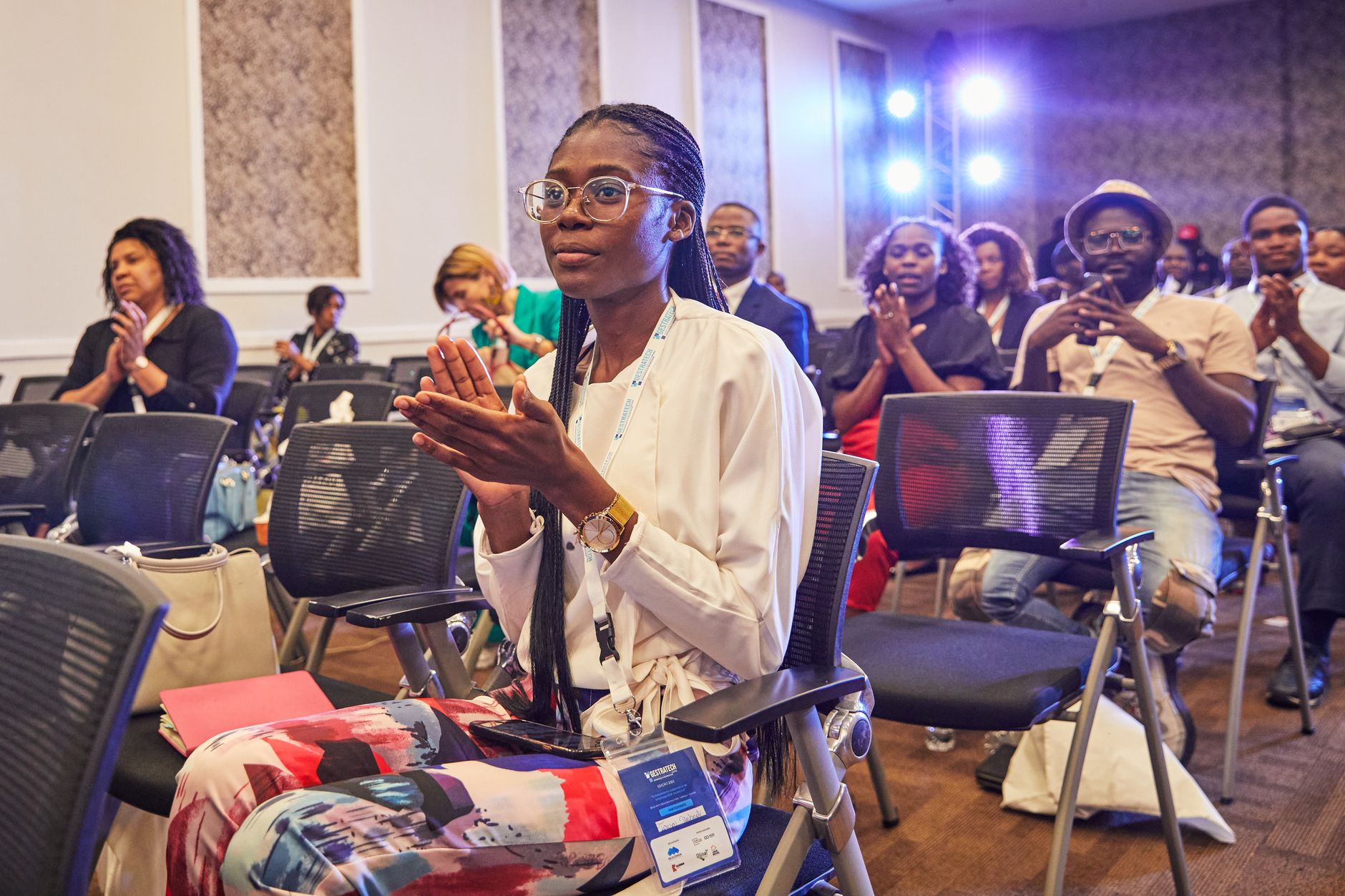
Projected Growth: The Event Industry in 2026
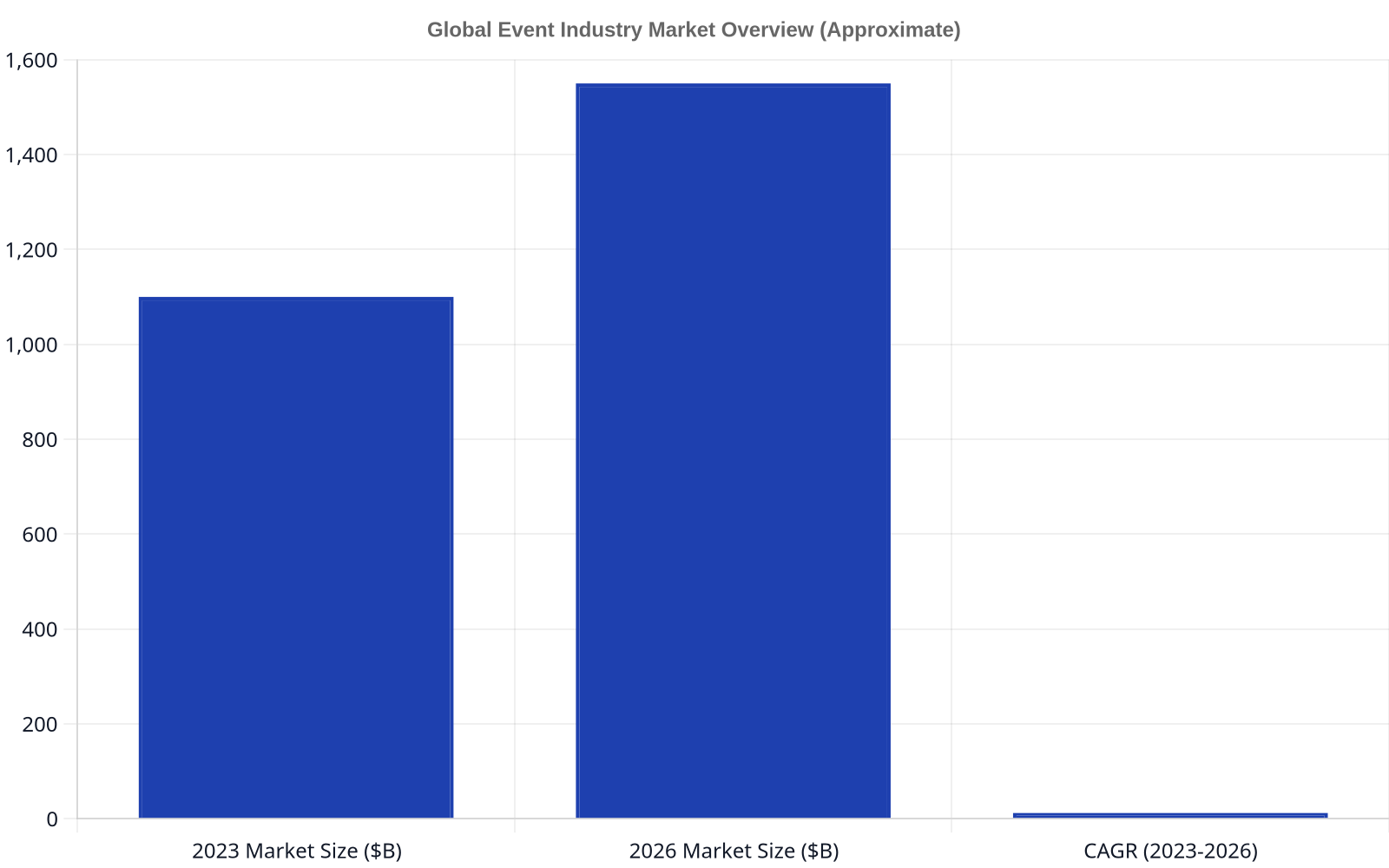
Many see the events market as simply bouncing back, but the numbers point to a fundamental expansion. The global events industry is projected to reach a staggering $2.194 trillion by 2028, growing at a compound annual growth rate (CAGR) of 13.48% from 2021. This isn’t just recovery; it’s a redefinition of what events can achieve for businesses and communities. In Nigeria, this growth is even more pronounced, fueled by a youthful population and a vibrant corporate sector.
The Nigerian Market: A Unique Trajectory
In Lagos, the pulse is different. While global trends provide a framework, the local application is what matters. The demand for corporate events, from product launches to annual general meetings, is surging as businesses compete for market attention. Weddings and social celebrations, the bedrock of our industry, are becoming more elaborate, blending rich cultural traditions with contemporary aspirations. A key driver is the desire for “Instagrammable” moments, pushing venues and planners to create visually stunning environments. We see this daily on our own grounds along Ikotun-Idimu Road, where clients want every corner of our 500-1000 capacity venue to be picture-perfect.
Where the Money is Going: Budgets in 2026
Event budgets are shifting, not just growing. While venue hire remains a significant cost, we’re seeing a larger percentage of funds allocated to technology and guest experience. A decade ago, a budget might be 50% venue, 30% food and beverage, and 20% other. Now, a typical corporate event budget might look more like 40% venue, 25% F&B, 20% technology (AV, streaming, apps), and 15% specialized guest experiences (personalization, entertainment, wellness). Understanding these shifting financial priorities is crucial for anyone planning an event. To get a better handle on your specific needs, it is important to understand current wedding hall prices in Lagos.
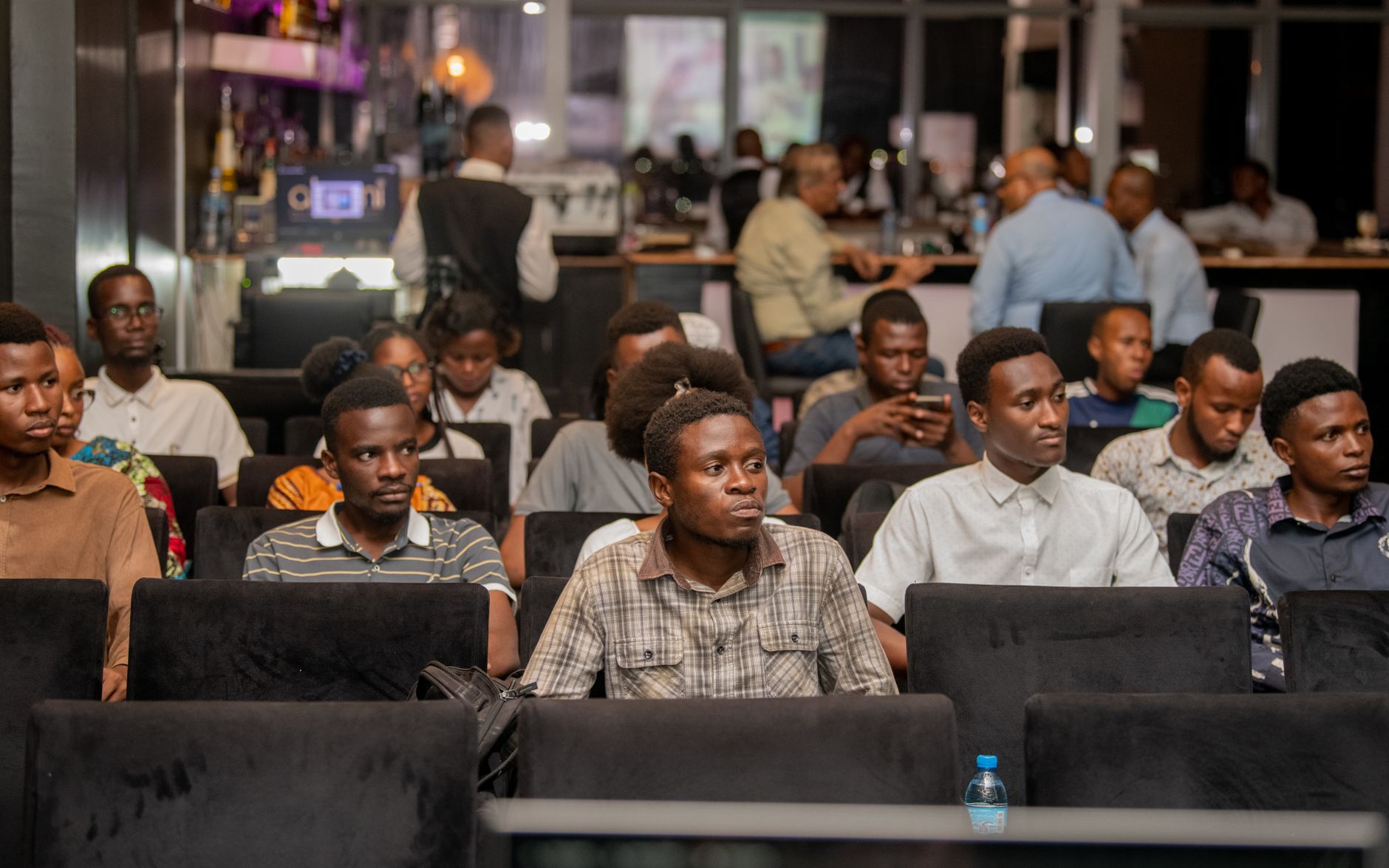
Top 5 Event Industry Trends for 2026
Forget the buzzwords. These are the five operational shifts that are defining successful events in Lagos and beyond. These are the trends that have real budgetary and planning implications. They represent a move away from events as a logistical exercise to events as a strategic tool for engagement and community building.
1. The Rise of Hyper-Personalization
Hyper-personalization is about making every attendee feel like the guest of honor. It goes far beyond printing names on badges. It’s about using pre-event data to customize everything from session recommendations at a conference to the welcome drink at a wedding. For a corporate event, this could mean an app that suggests networking connections based on LinkedIn profiles. For a wedding, it might be a custom menu that incorporates the couple’s favourite family recipes.
The future of events isn’t about how many people you can fit in a room. It’s about how many of those people you can make feel seen, heard, and valued. That is the new ROI.
Achieving this requires data and technology. Event registration forms are becoming more detailed, asking about dietary needs, content preferences, and even professional goals. This information is then fed into event management platforms that allow planners to create segmented and individualized experiences. It’s a complex process, but the payoff in attendee satisfaction and engagement is enormous.
2. Immersive Experiences and Sensory Immersion
Attendees are no longer content to be passive observers. They want to be part of the story. Immersive experiences use technology, decor, and entertainment to engage all five senses. This isn’t just about virtual reality headsets. It can be as simple as using scent-scaping to match the mood of a room or incorporating live cooking stations that create a sense of theatre. At Regal Castle, we encourage clients to think about the entire sensory journey, from the music in the parking lot to the texture of the linens. It’s about creating a cohesive, multi-layered world for guests to step into.
This trend is heavily influenced by the “experience economy,” a concept first described by B. Joseph Pine II and James H. Gilmore where the experience itself becomes the product. For events, this means the memories and feelings guests take away are more important than the physical space or the food served. It requires a storyteller’s mindset, not just a planner’s checklist.
3. Sustainability as a Core Pillar
“Green” events are no longer a niche. They are an expectation. In 2026, sustainability is a core planning principle, influencing everything from venue selection to waste management. 73% of event professionals say their organizations are committed to sustainability. This is driven by both corporate social responsibility mandates and genuine attendee demand. People want to know that their participation isn’t contributing to environmental harm.
Practical applications include:
- Reducing Waste: Eliminating single-use plastics, opting for digital signage over printed banners, and partnering with food banks to donate leftovers.
- Sourcing Locally: Choosing vendors and suppliers from the local community to reduce carbon footprint and support the local economy.
- Energy and Water Conservation: Selecting venues with modern, efficient systems and implementing policies to reduce consumption during the event.
This isn’t just about being eco-friendly; it’s about brand reputation. An event that ignores sustainability can face significant backlash online and in the press. We have seen a major increase in clients asking about our waste management and energy policies before they even sign a contract.
4. Vendor Ecosystems Over Exclusive Lists
The old model of venues forcing clients to use a short, exclusive list of vendors is dying. Today’s clients demand choice and flexibility. They want to bring in their preferred caterer, decorator, or tech supplier. Smart venues are adapting by creating vendor-friendly policies that allow for this flexibility while maintaining quality control. This is a philosophy we deeply believe in; our approach is to offer Event Planning Assistance while allowing clients the freedom to work with their chosen professionals. This fosters a collaborative ecosystem where the best talent can work together, rather than a restrictive walled garden.
This shift benefits everyone. Clients get the exact event they envision. Vendors get access to more opportunities. And the venue becomes known as a flexible and collaborative partner, which is a powerful competitive advantage. The key is to have a clear and fair process for vetting outside vendors to ensure they meet safety and insurance standards, without creating unnecessary barriers.
5. AI-Powered Logistics and Attendee Engagement
Artificial intelligence is moving from a futuristic concept to a practical tool in event management. AI is being used to automate tedious tasks, provide real-time insights, and enhance the attendee experience. Chatbots on event websites can answer common questions 24/7, freeing up human staff to handle more complex issues. AI-powered analytics can track attendee movement and engagement in real-time, allowing planners to make adjustments on the fly. For instance, if data shows a particular session room is overcrowded, staff can be dispatched to open an overflow area immediately.
AI is also personalizing the event journey. It can power recommendation engines that suggest which breakout sessions an attendee should join or which exhibitors they should visit. This makes large, complex events feel more manageable and relevant to the individual. We ensure our venue is equipped for modern demands, including 24/7 CCTV Surveillance for security, which is another layer of data and safety that sophisticated events now require.
Adapting to Hybrid Event Models
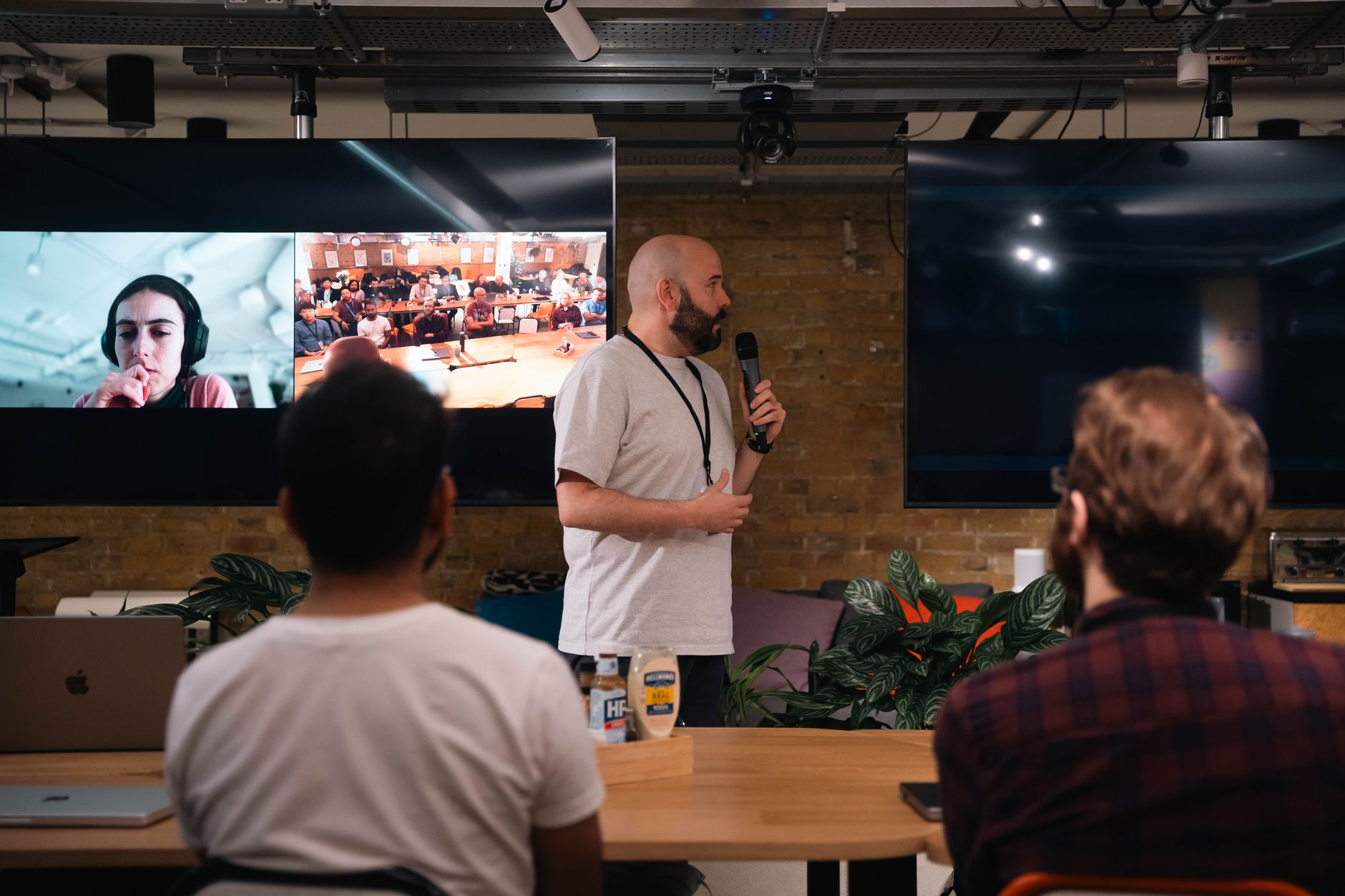
The conversation is no longer about virtual vs. in-person. The dominant model for many corporate and educational events is now hybrid. A successful hybrid event isn’t just a live stream of an in-person gathering. It requires a dedicated strategy to engage two distinct audiences simultaneously. 71% of event organizers say that connecting the in-person and virtual audience is their biggest challenge.
Designing for Two Audiences
The key is to create unique value for each audience. Virtual attendees need more than a passive viewing experience. They need dedicated hosts, interactive Q&A sessions, virtual networking opportunities, and content that is formatted for their screen. In-person attendees need experiences that cannot be replicated online: hands-on workshops, sensory experiences, and spontaneous networking opportunities.
A hybrid event has two venues: the physical one, and the digital one. You must be an expert in designing experiences for both. Neglecting one audience to serve the other is a recipe for failure.
Budgeting for a hybrid event can be complex. You are essentially producing two events at once. Costs include not just the physical venue and catering, but also the streaming platform, broadcast-quality AV equipment, and a dedicated community manager for the virtual audience.
The Technology Stack for Hybrid Success
Executing a flawless hybrid event requires a robust technology stack. This is not the place to cut corners. The essential components include:
- Event Platform: A central hub for both audiences, housing the agenda, speaker bios, and engagement features.
- High-Quality AV: Professional cameras, microphones, and lighting are non-negotiable. The virtual audience will disengage immediately if the production quality is poor.
- Streaming Service: A reliable service like Vimeo or a specialized event platform to deliver a high-definition, low-latency stream.
- Interaction Tools: Polling, Q&A, and chat functions that work for both audiences to create a unified conversation.
Integrating AI and Data Analytics for Event Success
Data is the new currency of the event industry. For years, planners relied on gut feelings and anecdotal feedback. Now, we have access to a wealth of data that can be used to make smarter decisions, prove ROI, and create better experiences. The integration of AI makes it possible to analyze this data at scale and in real-time.
Pre-Event: Predictive Analytics
Before the first guest arrives, data can be used to predict attendance, forecast revenue, and identify potential marketing segments. By analyzing historical data from past events and cross-referencing it with social media trends and industry benchmarks, AI models can help planners optimize everything from ticket pricing to content programming. For example, if data shows that sessions on a particular topic have high engagement online, a planner might decide to add more of that content to the agenda.
During the Event: Real-Time Insights
During the event, sensors, event apps, and social media monitoring can provide a live picture of what’s happening. Heat maps can show which areas of the venue are most popular, helping with crowd control and sponsor placement. App engagement data can reveal which sessions are resonating most with attendees. This allows for immediate adjustments. If a speaker is getting rave reviews online, you could push a notification to all attendees encouraging them to watch the session recording later.
Post-Event: Measuring True ROI
The real power of data is realized after the event. By combining attendance data, engagement metrics, and post-event surveys, planners can create a comprehensive picture of the event’s impact. For corporate events, this data can be linked to business objectives. Did the event generate qualified leads? Did it increase brand sentiment? According to a whitepaper from Eventbrite, measuring event ROI is a top priority for 60% of creators. AI and data analytics finally make it possible to do this in a credible and quantitative way.
Comparing Event Management Approaches: 2020 vs. 2026
The mindset and tools for planning events have transformed in just a few years. Here’s a comparison of the old way versus the new standard.
| Feature | Old Approach (c. 2020) | New Approach (2026) |
|---|---|---|
| Audience | Primarily in-person; virtual is an afterthought. | Hybrid-native; equal focus on in-person and remote attendees. |
| Data Usage | Basic registration data and post-event surveys. | Real-time analytics, predictive modeling, and deep personalization. |
| Sustainability | A “nice to have” feature, often a single recycling bin. | A core planning principle, influencing all vendor and logistical choices. |
| Technology | Basic AV and maybe a simple event website. | Integrated tech stack: event app, streaming, AI chatbots, engagement tools. |
| Personalization | Name badges and maybe tiered ticketing. | Data-driven custom agendas, networking suggestions, and bespoke content. |
| Vendor Relations | Restrictive, preferred-vendor lists. | Open, flexible ecosystem with Vendor-Friendly Policies. |
FAQ
What is the biggest event industry trend for 2026?
The most significant of the event industry trends for 2026 is hyper-personalization at scale. This involves using data and technology to create unique, individualized experiences for attendees, moving away from generic, one-size-fits-all event formats. This impacts everything from marketing and communication to content delivery and networking opportunities.
How is technology changing the event industry?
Technology is fundamentally reshaping events by enabling immersive experiences (AR/VR), facilitating hybrid models (high-quality streaming), and providing deep insights through AI and data analytics. It’s moving from a supporting role (like AV) to a strategic one, driving engagement, personalizing journeys, and proving ROI in ways that were previously impossible.
What are hybrid events and why are they important?
Hybrid events are gatherings that include both an in-person audience at a physical venue and a virtual audience participating remotely. They are important because they vastly expand an event’s reach, making it accessible to a global audience. They also provide data and flexibility, but require a specific strategy to engage both audiences effectively.
How much does it cost to host an event in Lagos in 2026?
Costs vary dramatically based on size, complexity, and level of technology integration. A small corporate meeting could cost a few hundred thousand Naira, while a large, elaborate wedding or conference for 500-1000 guests can run into many millions.
Why is sustainability important for events?
Sustainability is crucial for events not just for environmental reasons but also for brand reputation and attendee satisfaction. Guests and corporate clients increasingly expect events to be socially responsible. This includes minimizing waste, conserving resources, and sourcing locally. An event that ignores sustainability can face negative publicity and lose out to more conscientious competitors.
Planning an event that incorporates these trends can feel overwhelming, but it doesn’t have to be. The right venue partner acts as a foundation, providing not just the space but the expertise and flexibility to bring your vision to life. Whether you are planning a wedding, a corporate gala, or a hybrid conference, our team at Regal Castle is here to help you navigate the future of events. Contact us on 09165021815 to learn how our venue on Ikotun-Idimu Road can be the perfect canvas for your next unforgettable occasion.