Most event planners think their job is about logistics. They obsess over timelines, vendors, and budgets, treating a gathering like a construction project. This is a mistake. An event is a temporary world you build for your guests, and their experience is the only thing that truly matters. Enhancing guest experience at events is about architecting emotion and memory, not just managing assets. A positive experience creates loyalty and a reputation that no amount of marketing spend can buy. This guide provides a direct, actionable framework for moving beyond logistics to create an unforgettable event.
By the end of this article, you will have a 7-step process for systematically enhancing the guest experience for any event you plan, from a 100-person wedding to a 1,000-attendee corporate function.
Prerequisites
Before you begin, ensure you have the following:
- Clear Event Goals: What is the one thing you want guests to feel or do?
- A Detailed Guest Persona: Who are you planning for? What are their expectations and pain points?
- A Fixed Budget: Know your financial limits in Naira so you can allocate funds creatively.
- A Core Event Concept: A central theme or idea that guides all your decisions.
Step 1: Design the Pre-Event Journey
The guest experience begins long before they arrive at your venue. It starts with the very first touchpoint—the save-the-date, the registration page, the initial email. This pre-event phase sets expectations and builds anticipation.
Your communication must be clear, concise, and consistent with the event’s brand. Is it a formal corporate summit or a vibrant, celebratory wedding? The tone of your emails and the design of your event website should reflect that. Provide all necessary information upfront: date, time, venue address on Ikotun-Idimu Road, dress code, and a clear agenda. Use a dedicated email address for queries and respond within 12 hours. A confusing registration process or a poorly designed website creates friction and signals that you don’t value your guests’ time.
Step 2: Personalize the Invitation and Arrival
Generic, mass-market communication is dead. Your guests expect to be treated as individuals. A study from Harvard Business Review highlights a massive disconnect: while 72% of companies believe they understand their customers’ needs, only 35% of consumers agree. Personalization bridges this gap.
Start by segmenting your guest list. For a wedding, this could be family, close friends, and colleagues. For a corporate event, it could be VIPs, speakers, and general attendees. Tailor your communications accordingly. A simple touch like using their first name in an email is table stakes. Go further. For VIPs, a personal phone call from the host or event manager can make a significant impact.
The arrival is the moment of truth. Ensure signage is clear and prominent. Your welcome team should be warm, enthusiastic, and empowered to solve problems. The process of checking in should be swift and effortless. A long queue is a guaranteed way to start the experience on a sour note.
Step 3: Engineer Engaging On-Site Moments
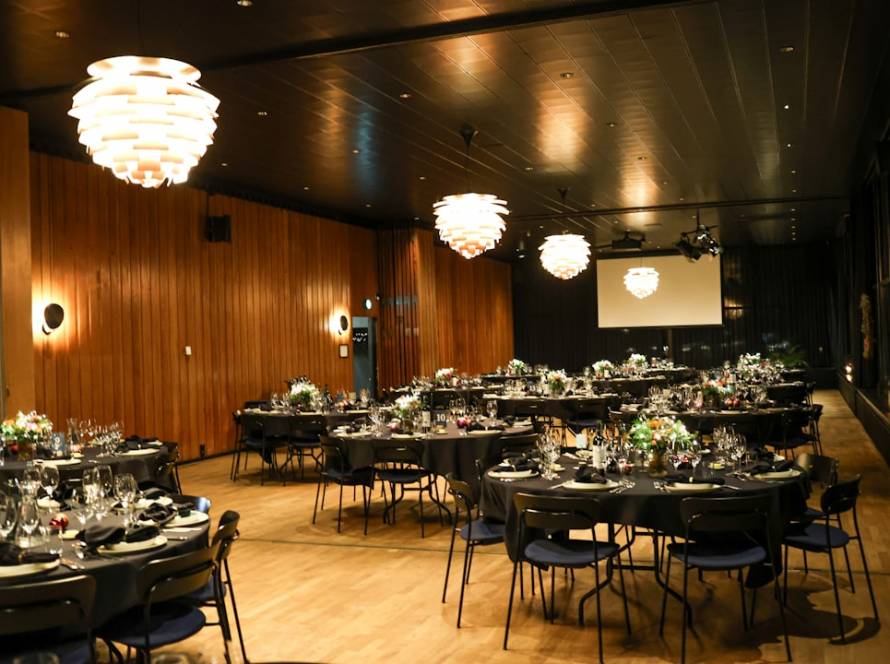
Once guests are inside, your job is to guide their journey. The layout of your venue is critical. At Regal Castle, we utilize our expansive outdoor and indoor event spaces to create distinct zones for different activities—a quiet lounge for networking, a vibrant main hall for the presentation, and a relaxed garden for breaks. This prevents crowding and allows guests to choose their own experience.
Think about the five senses. What will they see, hear, smell, touch, and taste? The right music, strategic lighting, and even a subtle signature scent contribute to the atmosphere. Interactive elements are a powerful tool. This doesn’t have to be expensive technology. A simple photo booth with fun props, a live polling session, or a “question board” for speakers can transform passive attendees into active participants. The key is to map out the physical and emotional flow of your event, ensuring that the overall event elements support the experience you want to create, not detract from it.
The best events feel like a well-directed film. There’s an opening scene, rising action, a climactic moment, and a satisfying conclusion. You are the director.
Step 4: Empower Your Staff to Be Experience Ambassadors
Your event staff—from the security guards to the waiters to the technical crew—are the face of your event. They have more direct contact with guests than you ever will. Simply giving them a uniform and a list of instructions is not enough. You must empower them.
First, they need to understand the “why” behind the event. When the team understands the goal, they can make better decisions on the fly. Second, provide them with the authority to resolve common issues without needing to escalate every minor complaint. If a guest has a dietary issue, can the catering staff resolve it directly? If someone feels unwell, does the usher know the protocol to assist them immediately? This level of autonomy requires training and trust, but it pays massive dividends. As the great Walt Disney once said, “Whatever you do, do it well. Do it so well that when people see you do it, they will want to come back and see you do it again.”
Step 5: Prioritize Safety Without Creating a Fortress
Guests cannot have a good experience if they do not feel safe. In a city like Lagos, security is not an afterthought; it is a core component of event planning. However, security measures should be felt but not seen. They must be effective without being intrusive.
Professionally trained security personnel who are polite and discreet are essential. Comprehensive security sweeps should be done before the event begins. At our venue, we operate 24/7 CCTV Surveillance, but it’s designed to be non-intrusive, providing peace of mind without making guests feel like they are under constant watch. Clear emergency protocols and accessible first-aid stations are non-negotiable. Effective planning for event security is about creating a secure bubble where guests can relax and engage fully.
Step 6: Integrate Technology That Solves a Problem
Technology should be a tool, not a gimmick. Don’t add technology for its own sake. Ask a simple question: does this make the experience better for my guest? Reliable, free Wi-Fi is no longer a perk; it’s a utility. Ample charging stations are a close second.
For corporate events, technology can be a powerful engagement driver. Event apps can host agendas, speaker bios, and networking features. Live Q&A and polling tools can boost audience participation. With hybrid events becoming the norm—almost 50% of corporate attendees see them as the ideal format—ensuring your virtual audience has a high-quality, interactive experience is just as important as your in-person one. This means professional camera work, clear audio, and a dedicated online moderator.
Your attendees’ most-used tech feature won’t be your fancy event app. It will be the free Wi-Fi and the charging port you provide for their own phones. Get the basics right first.
Step 7: Master the Graceful Exit and Post-Event Follow-Up
The event isn’t over when the last song plays. The final moments and the days that follow are your last chance to shape the guest’s memory. A chaotic exit—long waits for valets, crowded coat checks—can undo hours of goodwill.
Plan for a smooth, staggered departure. A small, parting gift or even a simple “Thank you for coming” from the host at the door adds a final, personal touch. Within 48 hours, send a thank-you email. This is your opportunity to solicit feedback. Don’t send a 20-question survey. Ask two things: “On a scale of 1-10, how was your experience?” and “What is one thing we could do to make it a 10?” This simple format respects their time and gives you actionable data. Connecting with your guests based on their experience can create powerful emotional connections, a key factor outlined by the new science of customer emotions.
Troubleshooting Common Experience Failures
Even with perfect planning, things can go wrong. A speaker cancels, the power fluctuates, a guest has a complaint. How you handle these moments defines your professionalism.
For guest complaints, use the A.C.T. model: Acknowledge, Clarify, Take Action. First, acknowledge their frustration (“I understand you’re disappointed with the audio quality in this section.”). Second, clarify the specific issue (“Can you tell me exactly where you are sitting so we can check the speaker?”). Third, take immediate, visible action. Even if you can’t solve the problem instantly, informing the guest what you are doing shows you care. Never be defensive. A complaint is a gift—it’s free data on how to improve.
Understanding Guest Expectations
At the core of enhancing guest experience at events is a deep understanding of what your attendees truly expect. It goes beyond a comfortable chair and a decent meal. They expect ease, recognition, and engagement. They want their journey to be frictionless, from finding parking to locating the restrooms. They want to feel seen and valued, not like just another number in a crowd of 500. Finally, they want to be engaged, whether through stimulating content at a conference or joyful celebration at a wedding.
Further reading
- How Technology Improves the Guest Experience: A Guide …
- 3 Principles Disney Uses to Enhance Customer Experience
Frequently Asked Questions
How do you measure guest experience?
Guest experience is measured through a mix of quantitative and qualitative data. Post-event surveys using a Net Promoter Score (NPS) style question (“How likely are you to recommend this event?”) are effective. You can also track social media mentions and sentiment. For qualitative data, short, open-ended questions like “What was the most memorable part of your experience?” provide valuable insights.
What are some budget-friendly ideas to enhance guest experience?
Personalization costs nothing but effort. A warm, personal greeting at the door is free. Creating a thoughtfully curated music playlist costs time, not money. Providing handwritten place cards instead of printed ones for a small dinner is a powerful touch. Focus on small details that show you care. A clean, well-stocked restroom is more important than an expensive centerpiece.
How do I handle a guest complaint during the event?
Listen without interrupting. Empathize with their position, even if you don’t agree with their assessment. Apologize for their negative experience. If possible, offer an immediate solution. If not, explain what steps you will take and follow up. The goal is to make the guest feel heard and respected.
What’s the difference between guest experience and customer service?
Customer service is reactive; it’s what happens when something goes wrong. A guest complains, and you provide service. Guest experience is proactive; it is the deliberate design of the entire event journey to anticipate needs, minimize friction, and create positive emotional responses from start to finish.
How early should I start planning the guest experience?
The moment you begin planning the event itself. The guest experience strategy should inform your choice of venue, your communication plan, your agenda, and your budget allocation. As a service we provide, our Event Planning Assistance begins by mapping out this journey from day one.
How can I make a corporate event feel less stuffy?
Incorporate elements of surprise and play. Use an unconventional venue. Ditch the formal lecture format for interactive workshops or roundtable discussions. Use creative lighting and music to change the mood. Encourage networking with structured icebreakers that are fun, not forced. Even for the most serious of our Corporate Events, creating space for genuine connection is key.
What role does accessibility play in guest experience?
Accessibility is fundamental. A guest cannot have a positive experience if they cannot physically navigate the space or access the information. This includes wheelchair ramps, accessible restrooms, clear signage, and considering dietary restrictions. For hybrid events, it means providing captions for virtual attendees. It’s about ensuring every single guest feels welcomed and cared for.