The decision between an aso ebi and no aso ebi wedding hinges on balancing cultural tradition, visual uniformity, and guest finances against creative freedom and reduced financial pressure on attendees. Aso ebi creates a stunning, cohesive look integral to many Nigerian weddings but adds complexity and cost, with fabrics and tailoring potentially costing guests from ₦20,000 to over ₦100,000. Conversely, a ‘no aso ebi’ approach simplifies logistics, respects individual budgets, and allows for more personal expression from your guests.
Which to pick in 60 seconds
- Choose Aso Ebi if: You deeply value a traditional, visually unified aesthetic. Your core guest list is enthusiastic about the practice and comfortable with the associated financial and logistical commitment. You want to produce stunning, coordinated group photographs that signify unity.
- Choose No Aso Ebi if: Your priority is to minimize the financial burden on your guests. You prefer a more modern, relaxed atmosphere that celebrates individual style, and you want to simplify your own wedding planning by removing a significant logistical task.
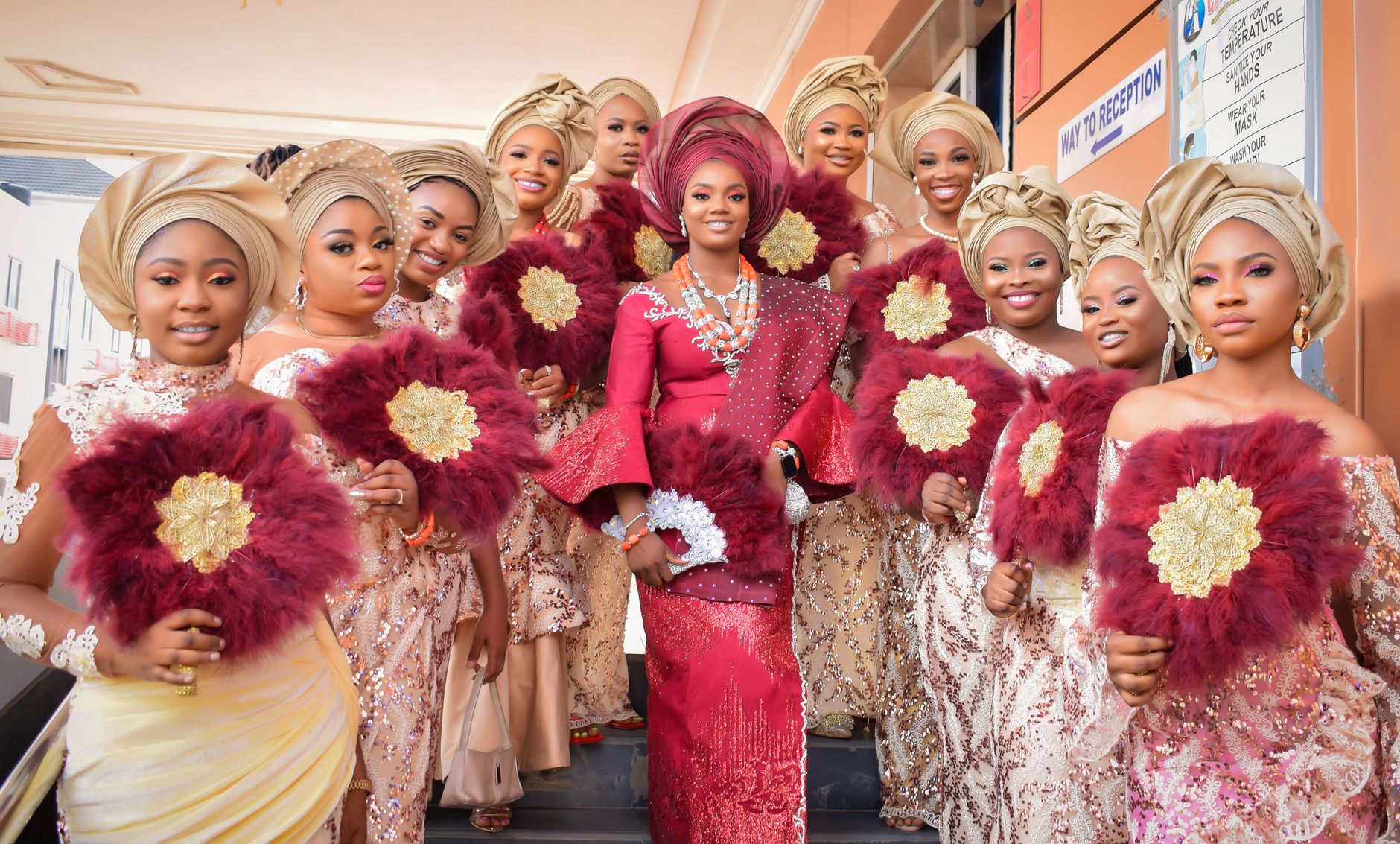
Aso Ebi vs. No Aso Ebi: A Direct Comparison
| Feature | Aso Ebi | No Aso Ebi | |
|---|---|---|---|
| Attire Style | Coordinated, pre-selected fabric | Guests choose their own outfits | |
| Cultural Significance | Deeply rooted in tradition, unity, identity | Modern, individualistic, less traditional ties | |
| Guest Experience | Sense of belonging, communal celebration | Freedom of choice, personal comfort | |
| Logistics for Couple | Fabric sourcing, distribution, managing orders | Minimal, only general dress code guidance | |
| Cost Implications | Potential cost for guests (fabric purchase) | No direct cost imposed on guests for attire | |
| Visual Impact | Striking, uniform, vibrant aesthetic | Varied, diverse, individual expressions |
| Feature | No Aso Ebi Wedding |
|---|---|
| Aesthetics | Diverse, individualistic, and eclectic. Reflects the personal styles of your guests. |
| Guest Cost | Low. Guests can wear an outfit they already own or purchase one within their own budget. |
| Planning Effort | Low for the couple. Simply requires setting a clear dress code on the invitation. |
| Cultural Significance | Modern interpretation. Prioritizes inclusivity and guest comfort over traditional uniformity. |
| Inclusivity | Highly inclusive. Removes financial barriers to participation, ensuring all guests feel equally welcome. |
| Best For | Couples focused on guest experience, budget-friendliness, and a more relaxed wedding atmosphere. |
| Watch Out For | Lack of visual cohesion in photos, and potential confusion if the dress code isn’t specific. |
| Photography | Creates vibrant, candid group photos that capture a wide array of colors and personal styles. |
The Case for Aso Ebi: Unity in Fabric
Aso ebi, which translates to “family cloth,” is more than coordinated attire; it’s a visible thread connecting a community. At its core, it’s a declaration of solidarity and support for the celebrating couple or family. When you see a wave of guests in the same fabric at one of our Regal Castle events, you are witnessing a powerful, non-verbal statement of unity.
Strengths of Choosing Aso Ebi
The visual impact is undeniable. Imagine your beautiful ceremony and reception areas filled with 500 guests, with a hundred of your closest friends and family creating a sea of emerald green and silver lace. This creates an unforgettable atmosphere and spectacular photographs. Aso ebi serves as a uniform for your support system, instantly identifying those closest to you.
This tradition is also a way of honoring your most cherished guests. By inviting them to wear your aso ebi, you are publicly acknowledging them as part of your inner circle. It’s a cultural shorthand for “you are important to us.” Furthermore, it preserves a beautiful aspect of Nigerian heritage. As detailed in comprehensive guides to planning aso ebi, it’s a practice steeped in history and social significance.
In a practical sense, it solves the perennial guest question: “What should I wear?” While it introduces other complexities, it provides a clear direction that eliminates guesswork about the formality or style of the event.
Weaknesses and Challenges of Aso Ebi
The primary drawback is the financial burden it places on guests. “Money and family dynamics can create tension,” and asking guests to spend a significant amount on an outfit can cause strain. The cost of the fabric, combined with tailoring fees from a reputable Lagos tailor, can easily become a major expense for an individual, especially if they are in multiple wedding parties in one season.
Logistics can become a second full-time job. The process involves selecting a fabric that pleases most people, sourcing a reliable quantity of high-quality material, collecting payments, and distributing the cloth to guests who may live across Lagos or even abroad. Managing this for dozens or hundreds of people is a monumental task ripe for error.
The chosen fabric will never be to everyone’s taste. The real challenge is not just picking a color, but finding a material and pattern that a diverse group of people can feel good in.
Finally, the practice risks being exclusionary. A guest who genuinely cannot afford the aso ebi may feel sidelined or less a part of the celebration. It can create an unintentional visual hierarchy between those who are “in” the fabric and those who are not, which may be the opposite of the inclusive, joyous atmosphere you want to create.
The Case for No Aso Ebi: Freedom and Inclusivity
Opting out of aso ebi is an increasingly popular choice for modern Nigerian couples. It’s a decision that prioritizes guest comfort, financial inclusivity, and planning simplicity. It shifts the focus from coordinated attire to the collective celebration itself.
Strengths of Forgoing Aso Ebi
This approach immediately relieves your guests of a significant financial obligation. They are free to wear a beautiful outfit they already own or purchase something that fits their personal budget and style. This simple act of consideration is often deeply appreciated and sets a tone of care and respect.
For the couple, it removes one of the most stressful elements of wedding planning. There is no fabric to source, no payments to chase, and no distribution logistics to manage. This frees up valuable time and energy to focus on other aspects of the big day, from vendor selection to menu tasting. Venues with flexible policies support unique event needs, making it easier to build the wedding you want, and simplifying your attire plan gives you more bandwidth to do so.
Above all, a no-aso-ebi wedding is inherently inclusive. It ensures that every single guest, regardless of their financial situation, feels completely welcome and able to participate fully. The celebration is defined by their presence, not their apparel.
Weaknesses and Considerations of No Aso Ebi
The most cited downside is the lack of visual cohesion. Your group photographs will be a vibrant, eclectic mix of colors and styles rather than a unified palette. For some couples, this is a feature, not a bug, but it is a departure from the traditional Nigerian wedding aesthetic.
To avoid chaos, you must provide a very clear dress code. Ambiguous instructions like “festive attire” can cause guest anxiety. Instead, be specific: “Black-Tie,” “Formal Nigerian Traditional,” or “Garden Party Chic.” Give your guests a clear framework so they can choose their outfits with confidence.
You may also face gentle pushback from older family members who hold tradition dear. Be prepared to explain your decision with respect, emphasizing that you are prioritizing your guests’ comfort and want everyone to celebrate without pressure.
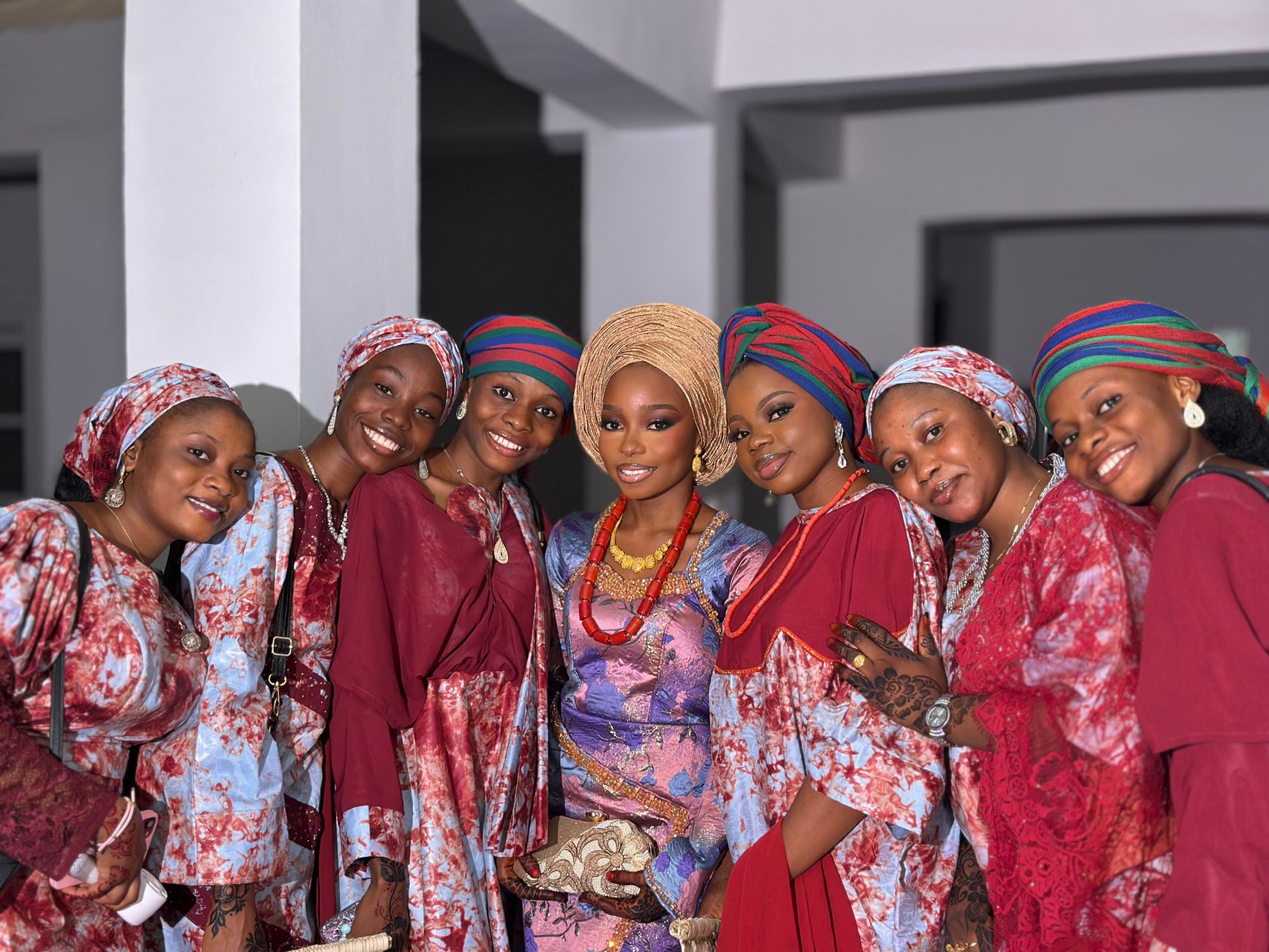
Making Your Decision: Verdicts for Your Wedding Style
The aso ebi vs no aso ebi wedding debate has no single right answer. The best choice is the one that aligns with your values as a couple, your budget, and the nature of your community.
Choose Aso Ebi If…
- Your Vision is Traditional: You have always dreamed of the powerful visual of a unified wedding party and guest list.
- Your Community is on Board: Your core family and friends are enthusiastic about the tradition and are financially prepared to participate.
- You Have Logistical Support: You have a trusted and organized sibling, friend, or wedding planner who can manage the entire process on your behalf.
- You’re Hosting a Large Event: For weddings with a capacity of 500-1000 guests, aso ebi is an effective way to identify and honor your closest circle within the larger crowd.
Choose No Aso Ebi If…
- Guest Comfort is Paramount: Your primary goal is to ensure everyone can attend and celebrate without any financial strain.
- You Prefer a Modern Vibe: You are drawn to a more relaxed, eclectic aesthetic that allows individual personalities to shine.
- You Have Many International Guests: Your guest list includes people unfamiliar with the custom, and you want to make the experience as simple as possible for them.
- Your Timeline is Tight: You are planning your wedding in under six months and need to eliminate major logistical hurdles.
The Hybrid Approach: A Middle Ground
You don’t have to make an all-or-nothing choice. A popular compromise is to have aso ebi exclusively for immediate family members (parents and siblings) and the bridal party. For other guests, you can suggest a color palette (e.g., “Please join us in wearing shades of blue and silver”) to create a coordinated look without the financial and logistical burden of a single fabric.
How to Manage Aso Ebi (If You Choose It)
If you decide to embrace aso ebi, meticulous planning is the key to a smooth process. It requires organization and clear communication from start to finish.
A Stress-Free Planning Guide
- Start Early: Begin the process 6-9 months before your wedding. This allows ample time for fabric selection, sourcing, payment collection, distribution, and tailoring.
- Budget Transparently: Be upfront about the cost. Create a simple document or message stating the price per yard, the number of yards recommended, and any associated costs. Provide clear payment deadlines and methods.
- Choose Fabrics Wisely: Consider the overall cost, quality, and weather. Breathable fabrics like high-quality Ankara or voile are often more comfortable in the Lagos heat than heavier brocades. To learn more, you can choose aso ebi fabric with a better understanding of the options.
- Offer Inspiration, Not Dictation: Rather than mandating a single design, provide a mood board with different aso ebi style ideas for both men and women. This empowers guests to create an outfit that flatters their body type and personal taste.
- Communicate Centrally: Use a dedicated WhatsApp group, email list, or a section of your wedding website for all aso ebi-related communications. This prevents misinformation and keeps everyone on the same page.
Communicating Your Decision to Guests
How you communicate your choice is as important as the choice itself. Your goal is to be clear, respectful, and firm, ensuring every guest feels valued.
If You’re Having Aso Ebi
Announce it with excitement. In a dedicated communication, explain the significance of the fabric you’ve chosen and why you’re excited for them to be a part of it. Follow up immediately with clear, practical information about cost, payment, and distribution. Frame it as an invitation, not a requirement.
If You’re Not Having Aso Ebi
State this clearly on your wedding invitation and website. A simple, positive statement works best. For example: “To ensure all our loved ones can celebrate without any pressure, we have decided not to have a wedding aso ebi. We invite you to wear your finest formal or traditional attire. Your presence is the only gift we need.”
The most important part of your wedding is the people in the room. How you make them feel is what they will remember long after the last dance.
Handling Objections and Complaints
If a family member expresses disappointment, listen to their perspective. Acknowledge their feelings and love for tradition. Then, gently but firmly reiterate your reasoning. A calm response like, “We understand and respect the tradition, but for our wedding, we feel it’s most important to make sure every guest feels comfortable and included,” is usually effective.
Etiquette for Wedding Guests
Navigating a Nigerian wedding as a guest comes with its own set of questions, especially around aso ebi.
For Non-Nigerian Guests
If you’re invited to a Nigerian wedding, the first thing to know is that your presence is a joyous occasion. Many couples who have aso ebi do not expect their international guests to participate. According to general Nigerian wedding guest etiquette, wearing your best formal wear (a suit for men, a cocktail or long dress for women) is perfectly acceptable and respectful.
How to Politely Decline Aso Ebi
If you’re unable to participate, inform the couple privately, respectfully, and as early as possible. Thank them for including you. You don’t need a long explanation; a simple, “I am so thrilled for your wedding, but unfortunately, I won’t be able to get the aso ebi at this time. I can’t wait to celebrate with you!” is sufficient.
Alternatives If You’re Not Wearing Aso Ebi
Simply adhere to the wedding’s official dress code. If you want to show solidarity, you can subtly incorporate one of the wedding colors into your outfit or accessories. A tie, a pocket square, a clutch, or jewelry. This is a thoughtful gesture that shows your support for the couple.
Sustainability and Aso Ebi
In an era of increasing environmental awareness, the one-time-wear nature of some special occasion outfits is a growing concern. Aso ebi, if not planned thoughtfully, can contribute to this. The global movement for sustainable fashion encourages us to think about the entire lifecycle of our clothes.
To make aso ebi more sustainable, consider choosing high-quality, versatile fabrics like Ankara, which can be easily re-styled into new outfits after the event. Encourage guests to work with tailors who can create modern, wearable designs rather than costumes that will only be worn once. A beautiful fabric can live on as a skirt, a blouse, or even home decor, continuing the memory of your celebration for years to come.
FAQ
What is the average cost of aso ebi in Lagos?
Costs vary widely based on fabric type. Ankara can be as low as ₦10,000 – ₦20,000 for the fabric, while high-end lace or Swiss voile can cost ₦50,000 to ₦150,000 or more, before tailoring fees. Always factor in the cost of a good tailor, which can add another ₦15,000 to ₦50,000+.
How far in advance should we plan for aso ebi?
A minimum of 6-9 months is recommended. This provides enough time to choose and source the fabric, for guests to pay, for you to distribute it, and for guests to find a tailor and have their outfit made without a last-minute rush.
Can I have aso ebi for a small wedding?
Absolutely. Aso ebi can be even more impactful at an intimate wedding, creating a deep sense of unity among a small group. You might choose it just for your immediate families or a group of 20-30 close friends.
What do I do if my tailor ruins the aso ebi fabric?
This is a common fear. First, always use a trusted tailor with a strong reputation and clear portfolio. If the worst happens, speak to the tailor immediately to see if it can be salvaged. If not, you may have to buy a ready-to-wear outfit in a similar color. This is why giving guests ample time for tailoring is crucial.
As a guest, what should I wear if I’m not doing aso ebi?
You should wear an outfit that matches the wedding’s dress code, which is usually stated on the invitation. This is typically formal or traditional Nigerian attire. When in doubt, it’s better to be slightly overdressed than underdressed.
Is it rude to sell your aso ebi outfit after the wedding?
No, it is not considered rude. Many people sell their aso ebi outfits online to recoup some of the cost and to prevent their closets from overflowing. It’s a practical and increasingly common practice.
How does a venue choice impact the aso ebi decision?
A beautiful venue serves as a canvas. Aso ebi with a strong color theme can complement a venue’s decor, while a ‘no aso ebi’ approach lets the venue’s own elegance shine. Our ceremony and reception areas at Regal Castle are designed to be a stunning backdrop for any wedding style you choose.
The aso ebi vs no aso ebi wedding choice is a personal one, reflecting your priorities for your celebration. Whether you envision a unified sea of color or a vibrant mosaic of individual styles, the goal is to create a joyous and memorable day. If you’re ready to plan a celebration that truly reflects you, start the conversation.