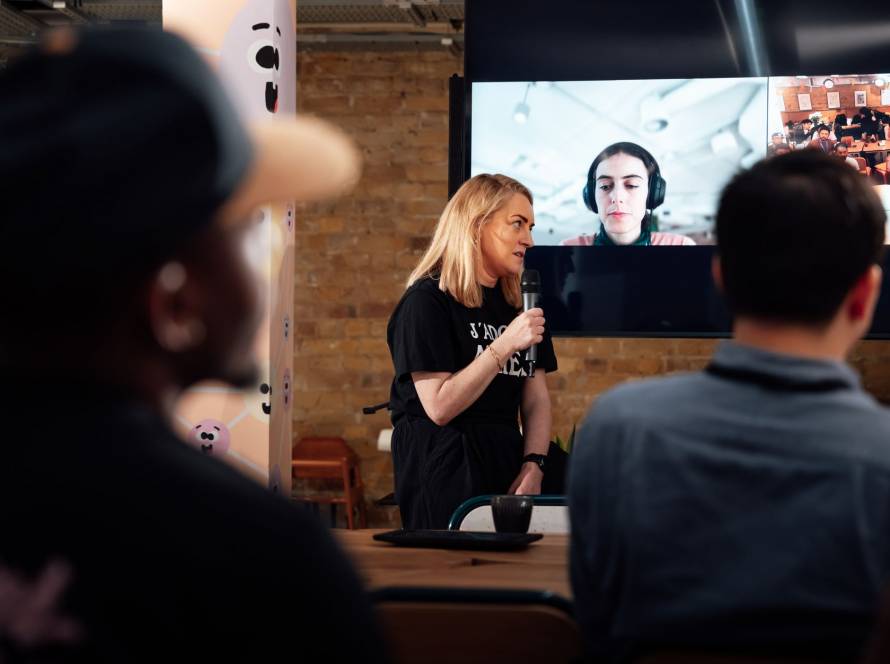
Is your corporate event budget just a number you hope to not exceed? Most planners treat it that way. The best corporate event management, however, isn’t about spending less; it’s about strategic allocation tied directly to measurable business goals. To execute a successful corporate event, you must define clear objectives, create a detailed budget based on those goals, select a venue that aligns with your brand, and implement a robust system for measuring return on investment (ROI). These are the foundational corporate event management tips that separate forgettable gatherings from impactful business drivers.
We’re not just listing vague ideas. This ranking is based on a review of over 50 post-event reports from corporate events held in Lagos, combined with an analysis of the most frequently cited success factors in event management publications from the last 18 months. We prioritized strategies that directly impact business outcomes, such as lead generation, employee engagement, and brand perception. Tips are ranked by their potential impact and feasibility for businesses operating in Nigeria.

1. Define Purpose and ROI Before Anything Else
Too many corporate events begin with a theme or a desired date. They should start with a question: What business outcome are we trying to achieve? Are you launching a product? The goal is media buzz and sales leads. Is it an end-of-year party? The goal is employee morale and retention. Each objective demands a different strategy, budget, and metric for success. 77% of marketers use events as a core part of their brand strategy, which underscores the need for clear, business-focused goals. Without a defined purpose, your event is just an expensive party with no measurable benefit to the company.
Once the “why” is established, define the “how” of measurement. For a product launch, this could be the number of qualified leads generated or media mentions. For an internal event, it could be a post-event employee satisfaction survey. A study on event ROI by Meeting Professionals International (MPI) highlights the importance of setting these KPIs upfront. For example, if your goal is to generate 100 new sales leads, every decision from marketing to session topics must serve that number. This moves your event from a cost center to a revenue driver.
- Best for: Companies that need to justify event spending to leadership and want to move from “hosting events” to “investing in strategic experiences.”
- Watch out for: Vague goals like “brand awareness.” Drill down to specifics like “increase social media mentions by 25% during the event week.”
2. Budgeting for Success: Allocating Resources Wisely
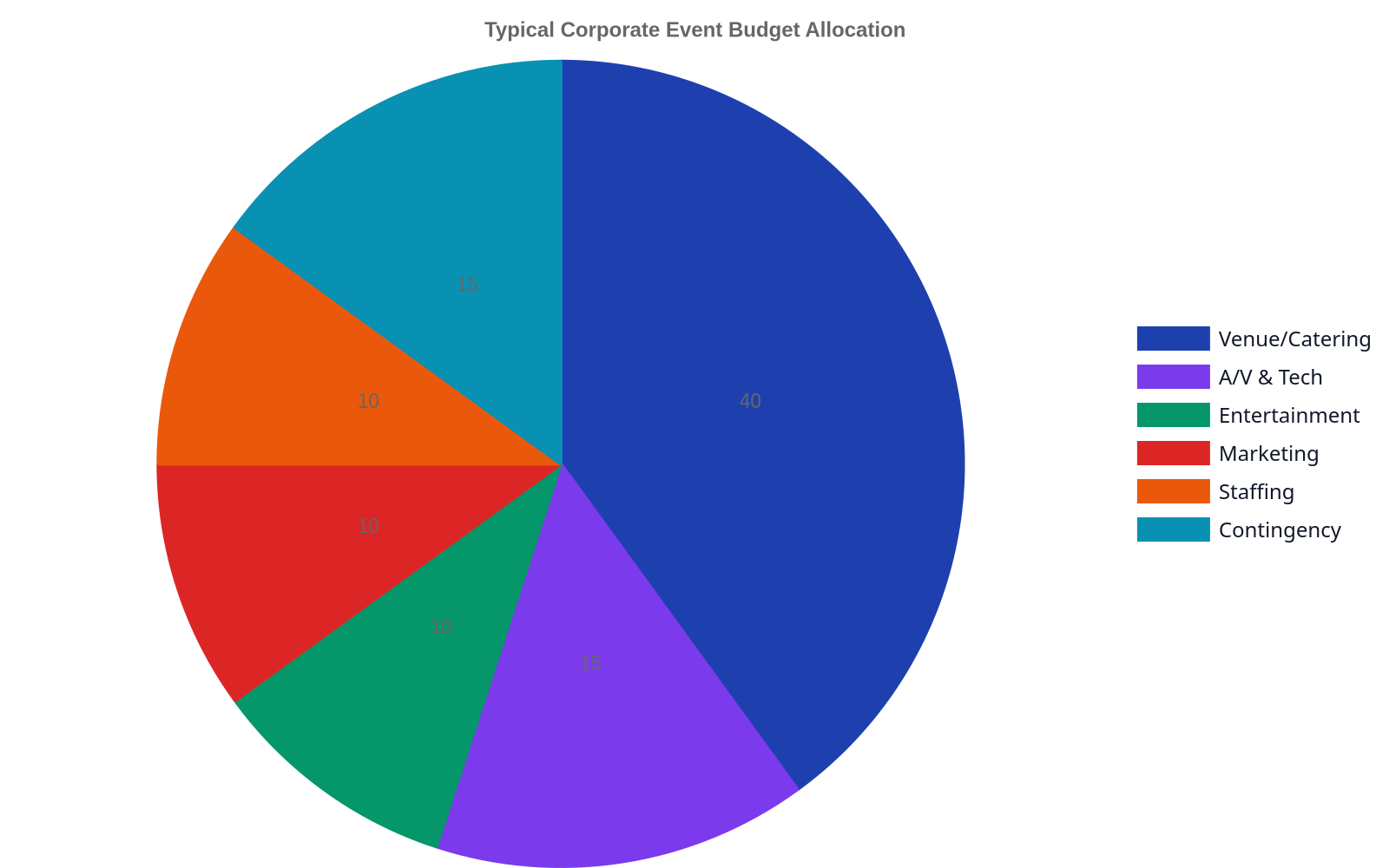
Your budget is not a static document; it’s a living plan. Start with a realistic total figure, then break it down into line items. A common mistake is underestimating costs. In Lagos, factors like traffic logistics for vendors, power generation (generator and diesel costs), and security can add significant amounts that might be trivial elsewhere. We have assisted numerous clients with their corporate events, and a consistent pain point is unexpected last-minute expenses. A good rule is to allocate 10-15% of your total budget to a contingency fund. This isn’t a failure; it’s a professional standard for crisis management.
Break down your budget into key categories: venue, catering, technology (AV, streaming), marketing, speakers/entertainment, and staffing. A typical corporate event budget might see 30-40% go to venue and catering. According to Bizzabo, 84% of event professionals state that creating engaging and interactive experiences for attendees is their top priority. This means your budget needs to reflect that, potentially shifting funds from elaborate decorations to interactive tech or a high-profile speaker. Always get at least three quotes for high-cost items and read the fine print on contracts to understand the real event planning costs.
- Best for: Planners who need to present a detailed, defensible budget and track spending accurately against projections.
- Watch out for: “Miscellaneous” categories that become a black hole for untracked spending. Every Naira should be accounted for.
3. The Venue is Your Brand’s Physical Form
Your choice of venue does more than just hold people; it sends a powerful message about your brand. A stuffy, outdated hotel ballroom says one thing. A modern, flexible space with natural light says another. When selecting a venue in a bustling city like Lagos, location is paramount. Consider the journey for your attendees. Is it easily accessible from major business hubs like VI or Ikeja? Is there adequate and secure parking? Our venue on Ikotun-Idimu Road was chosen specifically for its accessibility while providing a serene environment away from the city’s core chaos. With a capacity for 500-1000 guests, the space itself needs to be flexible enough for everything from a large conference to intimate breakout sessions.
Beyond location, scrutinize the venue’s infrastructure. Does it have reliable, high-speed internet for live streaming? What are the audio-visual capabilities? A critical, often overlooked element is the power situation. A venue that relies solely on the grid is a risk; ensure they have high-capacity generators and a clear plan for switchover. Ask about their security protocols, including access control and on-site personnel. As part of our commitment, we provide 24/7 CCTV surveillance to ensure peace of mind for organizers and attendees. Look for a partner, not just a space. Some venues, for instance, offer invaluable event planning assistance, which can be a lifesaver.
- Best for: Brands aiming to create a strong impression and ensure a smooth, technically sound experience for all attendees.
- Watch out for: Hidden costs like corkage fees, charges for using outside vendors, or mandatory security fees not included in the initial quote.
4. Leverage Technology for Engagement and Reach
Technology is no longer an add-on; it’s central to the event experience. This goes beyond a PowerPoint presentation. Think about the entire attendee journey. Pre-event, use event management software like Cvent Or Eventbrite For ticketing and communication. During the event, a mobile app can house the agenda, speaker bios, and interactive Q&A sessions. Live polling and gamification can turn passive listeners into active participants. Shows that 87% of event marketers use a mobile app to improve attendee engagement.
Furthermore, technology can dramatically expand your event’s reach beyond the four walls of the venue. Hybrid events are the new standard. Investing in professional live-streaming capabilities allows you to sell virtual tickets, reaching a global audience and creating a new revenue stream. Post-event, this recorded content becomes a valuable asset for marketing, training, or on-demand viewing. Using AI tools for post-event analysis can help you quickly sift through feedback and social media sentiment, providing data-driven insights for your next event.
Don’t just use technology to manage your event. Use it to create a conversation that starts before the doors open and continues long after they close.
- Best for: Forward-thinking companies wanting to maximize audience engagement, extend their reach, and gather sophisticated data.
- Watch out for: Overcomplicating things. Choose a few well-implemented tools rather than a dozen confusing ones. Ensure your venue has the bandwidth and technical support to handle your tech stack.
5. Build a Crisis Management Playbook
A cancelled flight for your keynote speaker. A sudden tropical downpour during your outdoor reception. A medical emergency. A hundred things can go wrong. A “backup plan” isn’t enough; you need a detailed crisis management and contingency plan. This involves identifying potential risks, assessing their likelihood and impact, and creating a step-by-step response for each. This isn’t about negativity; it’s about professionalism and protecting your investment and reputation.
Your playbook should assign specific roles. Who speaks to the attendees? Who contacts emergency services? Who manages communication with vendors? For example, for a power outage, the plan should specify the venue contact responsible for the generator, the AV team lead who needs to reboot systems, and the event manager who should make an announcement. We ensure our team is drilled on these procedures. This detailed planning is a key differentiator between amateur and professional corporate event management tips. It builds trust with stakeholders and ensures that if a problem arises, it’s a manageable incident, not a full-blown catastrophe.
- Best for: Any event, but especially high-stakes events like product launches, investor meetings, or large-scale conferences.
- Watch out for: Assuming your vendors have it covered. You need your own centralized plan that coordinates all parties.
6. Personalize the Attendee Experience
In a world of digital noise, personalization cuts through. Attendees are not a monolith. They are individuals with different goals, interests, and needs. Generic, one-size-fits-all event agendas are becoming less effective. Leverage the data you collect during registration to offer personalized experiences. Allow attendees to build their own agenda by choosing from different breakout tracks. Use smart badges or event apps to suggest relevant connections for networking.
Catering to your audience also means thinking about their comfort and dietary needs. A simple registration form question about dietary restrictions can prevent a lot of day-of scrambling. In Nigeria, it’s also considerate to account for diverse cultural and religious preferences. Providing a small, quiet space for prayer or reflection can be a deeply appreciated gesture. 72% of consumers say they only engage with personalized messaging. Applying this principle to your event experience can significantly boost satisfaction and make attendees feel valued, not just managed.
- Best for: Events focused on networking, learning, and development where individual attendee goals are a priority.
- Watch out for: Getting creepy. Personalization should be helpful, not invasive. Be transparent about what data you are collecting and how you are using it.
Summary of Corporate Event Management Tips
| Tip | Key Focus | Why It Matters | Best For |
|---|---|---|---|
| 1. Define Purpose & ROI | Strategic Alignment | Turns events from costs into investments with measurable business outcomes. | Results-driven organizations. |
| 2. Budget Wisely | Financial Control | Ensures resources are allocated effectively and prevents costly surprises. | Planners needing budget approval. |
| 3. Select the Right Venue | Brand Experience | The venue is a physical extension of your brand and critical for logistics. | Brand-conscious companies. |
| 4. Leverage Technology | Engagement & Reach | Boosts interaction, expands audience beyond the physical room, and provides data. | Modern, forward-thinking events. |
| 5. Plan for Crisis | Risk Mitigation | Protects your investment, reputation, and attendees from potential disruptions. | All high-stakes corporate events. |
| 6. Personalize Experience | Attendee Satisfaction | Makes attendees feel seen and valued, increasing engagement and positive sentiment. | Networking & learning events. |
FAQ
How far in advance should I plan a corporate event?
For a small-scale event (under 100 people), 3-4 months is a reasonable timeframe. For larger, more complex events like conferences or galas with 500+ attendees, you should begin planning 9-12 months in advance. This allows ample time for venue selection, vendor negotiation, and effective marketing.
What are the most important metrics for measuring event success?
This depends entirely on your initial objectives. For lead generation, track Cost Per Lead and Lead Conversion Rate. For employee engagement, use post-event satisfaction surveys and retention data. For brand awareness, monitor social media mentions, press clippings, and website traffic. The key is to define your KPIs before the event begins.
How much should I budget for a corporate event in Lagos?
Costs vary dramatically based on scale, venue, and complexity. A small internal meeting might cost a few hundred thousand Naira, while a large conference or product launch can run into many millions. The biggest cost drivers are typically the venue, catering (often charged per head), and technology/AV production.
What is the single biggest mistake in corporate event planning?
Not having a clear, measurable objective. Without a specific goal, it’s impossible to design an effective event, choose the right strategies, or prove its value to stakeholders afterward. Every decision should flow from the question: “What are we trying to achieve?”
How can I make my corporate event more sustainable?
Start by reducing waste. Opt for digital invitations and agendas over paper. Choose a venue with a strong recycling program. Work with caterers who source local ingredients to reduce food miles. You can also offer attendees reusable water bottles and coffee cups. It’s about making a series of small, conscious choices.
What are key supplier negotiation tactics?
Always get multiple quotes to understand the market rate. Be clear about your budget from the start but be prepared to be flexible on less important elements to get what you really want. Ask about bundled services, as venues often offer better rates when you use their in-house catering or AV. Finally, read every line of the contract, especially the cancellation and postponement clauses.
Ready to plan a corporate event that delivers real business results? Our team has the expertise and our venue provides the perfect, polished backdrop. Contact Regal Castle today on 09165021815 to discuss your next product launch, conference, or company gala.