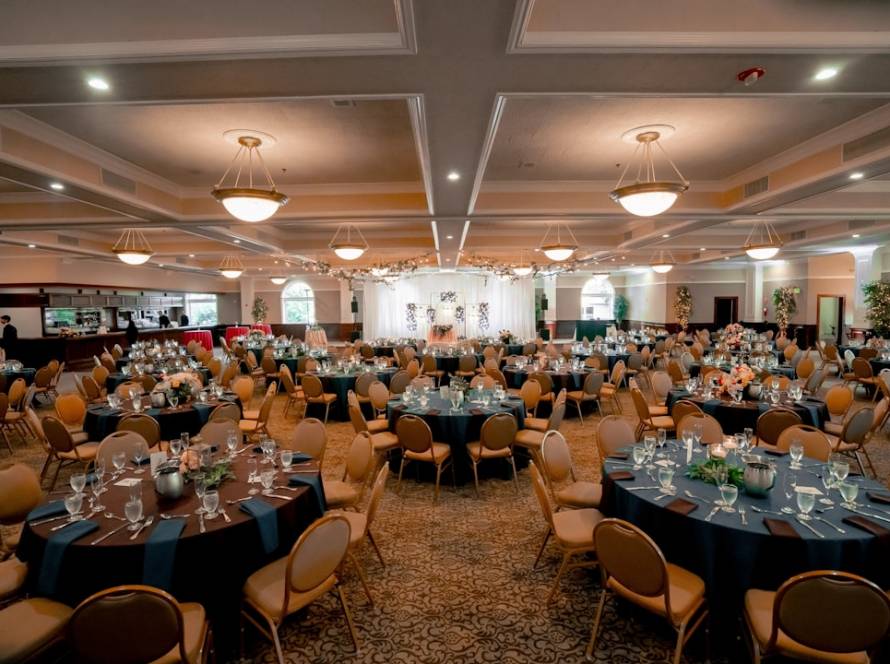
Cheap isn’t the same as affordable. A hall that quotes ₦400,000 a day and then hits you with diesel, extra hours, and a damage deposit you never saw coming has cost you more than the venue that quoted ₦900,000 and meant it.
That gap is where most Lagos event budgets actually break. Not at the booking stage, at the “final bill” stage three days before the event, when the venue manager mentions the generator surcharge for the first time.
How much does renting an event hall in Lagos cost?
Start here: small and mid-size halls built for up to 250 guests generally run between ₦250,000 and ₦2.5 million a day, with entry-level options starting around ₦250,000 in areas like Ikeja, according to a 2026 Lagos event pricing survey. That’s the floor. The ceiling is a different planet.
Push past 1,000 guests and the pricing conversation changes shape entirely. Venues built for large-format weddings and corporate galas, the kind with banquet capacity in the thousands, report day rates from ₦5 million up into the ₦10-15 million range for the biggest Victoria Island spaces. A hall doesn’t just get bigger as the price climbs. It gets more structurally complex, with multiple function rooms, dedicated loading bays, and backup power built to run for an entire day without a stutter.
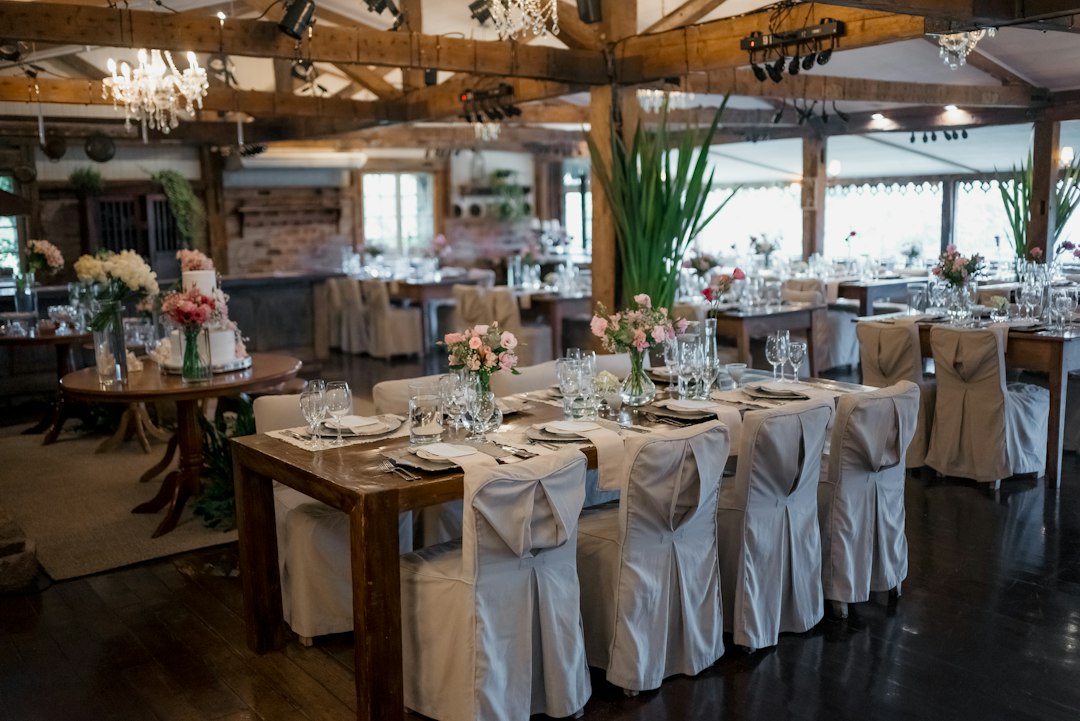
Take QueensPark Event Centre in Lekki as an example of what that range buys. It runs two separate halls under one roof: Hall A seats 450 for a banquet-style dinner, and Hall B stretches to 1,800, according to a Regal Castle roundup of venues near Lagos Island. That’s not one venue, really. It’s two price points and two logistical problems wearing the same address. A 450-guest wedding doesn’t need Hall B’s floor space, its cooling load, or its staffing count, and paying for it anyway is how a “mid-range” venue quietly becomes an expensive one.
Here’s the trade-off nobody puts on the brochure. A hall advertised as low-cost in Ikeja or Idimu is often cheap because it’s smaller, has fewer backup systems, and expects you to bring in your own generator, chairs, or cooling. A hall advertised as mid-range in Lekki or Victoria Island is expensive partly because of location, but partly because the price already includes things the cheap hall will charge you separately for later.
This is why two venues quoting ₦700,000 and ₦1.2 million can end up costing the same amount once the event is over. Ask every venue, before you commit, exactly what’s bundled: power, water, cleaning, security, extra hours. A venue on Ikotun-Idimu Road built for 500 to 1,000 guests sits in a specific bracket: big enough for a serious wedding or a corporate launch, but not so large that you’re paying Victoria Island convention-centre rates for space you won’t fill. That middle bracket is where most Lagos planners should be shopping, not at the extremes.
One more thing worth knowing before you fall in love with a quoted number: Nigeria Property Centre lists dozens of event venues across Lagos with an average asking price near ₦15 million a year for long-term lease arrangements, which is a completely different product from a single-day hall rental. Don’t let annual lease figures or long-term listings confuse your day-rate comparison. You’re renting a hall for one Saturday, not buying a building.
Power deserves its own line item here, because it rarely stays a footnote. Diesel prices in Lagos were running roughly ₦1,700 to ₦1,790 a litre as of August 2026, and a mid-sized commercial generator can burn 5 to 10 litres an hour depending on load. Run a generator for eight hours at a wedding and you’re looking at tens of thousands of naira in fuel alone, before anyone mentions a surcharge. Ask whether the venue’s quoted price already includes diesel, or whether that’s billed separately after the event. That single question has sunk more wedding budgets than bad catering ever has.
Verify Lagos State safety licences and capacity clearances
A venue with a nice website and an empty hall isn’t the same as a venue cleared to put 600 people in that hall. That distinction matters more than it sounds like it should.
Every event centre in Lagos is required to hold an active operating licence from the state’s tourism authority before hosting any gathering, and must also be registered and verified on the Lagos State Safety Commission’s platform before an event takes place. Two separate checks, two separate authorities. A venue can have one and not the other.
What changes for you, the person signing a contract, is simple: ask to see both. Not a logo on a website. The actual registration. A venue happy to show you its safety commission listing is a venue that’s done this before and isn’t worried about scrutiny. A venue that gets vague when you ask is telling you something, even if it doesn’t mean to.
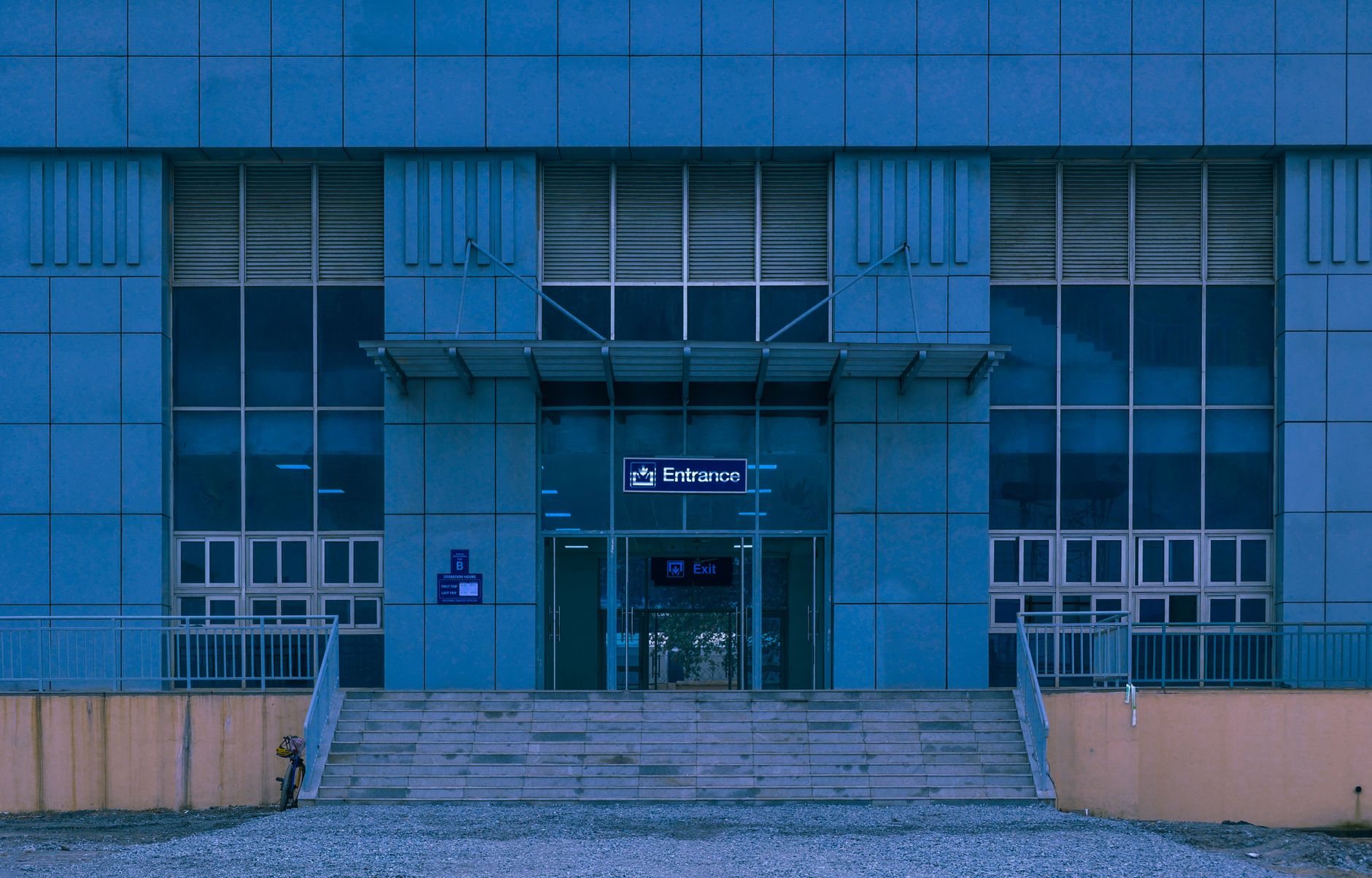
Capacity clearance is where this gets concrete for anyone planning something above a few hundred guests. Organisers must secure formal Event Safety Clearance from the Commission for any gathering expected to exceed 300 people, and the occupant limit at the event itself must not exceed 50% of the hall’s maximum design capacity, with that limit posted visibly at the entrance, according to the Lagos safety guidelines. Read that again. Fifty percent of design capacity, not the number printed on the venue’s marketing page.
That one rule quietly reshapes how “affordable” actually works. A hall marketed as holding 1,000 guests may only be cleared to seat 500 under that occupant limit, depending on its registered design capacity. If your guest list is 700, that hall isn’t an option for you regardless of its day rate, because the clearance won’t permit it. Confirm the registered design capacity, not the marketing capacity, before you fall for a price.
Seating itself has a rule too: a minimum of 1.5 metres between seated guests, with table sizing setting the maximum number of seats per table, per the same guidelines. That affects how many tables actually fit in a hall once you stop thinking in raw square metres and start thinking in legal spacing. A venue that looks enormous on paper can seat fewer guests than you’d guess once this spacing is applied properly.
What locals know, after sitting through enough of these bookings, usually comes down to four things. First, always ask for the venue’s safety commission registration number directly, don’t accept “we’re licensed” as an answer. Second, treat any quote that doesn’t mention diesel or generator terms as incomplete, not finished. Third, book your in-person walkthrough during the hottest part of the afternoon, around 2pm, because that’s when you’ll actually feel whether the cooling system works under real conditions, not the breezy evening slot every sales team prefers to show you. Fourth, confirm in writing what the posted occupant limit sticker will say before signing, because that number, not your guest list, decides whether the event is legal.
Hidden costs tend to cluster around two words: “extra hours.” Many Lagos venues quote a day rate that covers a fixed window, often ending around 10pm or midnight, and charge separately past that. If your traditional engagement or reception runs long, as Lagos events often do, ask for the hourly overage rate before you sign, not after the band is still playing at 1am.
Frequently Asked Questions
What is the cheapest type of event centre in Lagos?
Small and mid-size halls built for up to 250 guests are the cheapest category, starting around ₦250,000 a day in areas like Ikeja, based on 2026 pricing research. Venues on this end of the market tend to have fewer bundled services, so confirm what’s included before assuming the quoted price is the final price.
Why do some Lagos venues charge so much more for the same guest count?
Location and included services account for most of the gap. A venue in Victoria Island or Lekki carries higher land and operating costs than one further from the Island, and its quote often bundles things like generator fuel, security, and cleaning that a cheaper venue bills separately. Compare what’s actually included, not just the headline day rate.
Does a lower price mean worse power or cooling?
Not necessarily, but it’s the first thing to check rather than assume. A venue’s day rate doesn’t tell you whether diesel is included or billed on top, and fuel alone can add a meaningful sum once you run a generator for a full event. Ask directly whether power costs are bundled into the quoted price.
How do I know if a venue is legally allowed to host my guest list?
Ask for the venue’s registered design capacity and its occupant limit, not its marketing capacity. Lagos rules cap occupant numbers at 50% of a hall’s maximum design capacity, and that limit must be posted at the entrance, according to Lagos State Safety Commission guidelines. If your guest count exceeds half the hall’s registered capacity, that venue isn’t an option regardless of price.
Is it cheaper to book a venue without catering included?
It depends on whether the venue’s in-house catering is mandatory or optional. Where outside caterers are permitted, sourcing your own food separately usually costs less than a bundled package, but you’ll need to confirm the venue allows external vendors and has adequate kitchen access before assuming this saves money. Check our guide to choosing an event venue in Lagos for a fuller walkthrough of what to ask before signing.
Don’t let a low day rate talk you into a hall that can’t legally seat your guest list or can’t keep a room cool for six straight hours in Lagos heat. The venues that actually save you money are the ones that tell you the full cost upfront, power, clearance, capacity, before you’ve handed over a deposit. Call our team for a written quote that spells out what’s included before you compare it against anyone else’s number.