Is there anything more vibrant than a Nigerian traditional wedding? The colours, the music, the food, the sheer joy of two families coming together. But behind every flawless traditional ceremony is a list. A long one. Forgetting a key item isn’t just an inconvenience; it can be seen as a sign of disrespect. This is your definitive checklist of traditional wedding ceremony essentials, ensuring nothing is overlooked. This guide is for couples and their families in Nigeria who want to honour tradition while managing the beautiful chaos of a wedding.
Phase 1: The Foundation (3-6 Months Out)
This is where the core decisions are made. Getting these right makes everything else fall into place.
- Finalise the Guest List: Your guest count determines your venue, your budget, and your catering needs. A venue like ours on Ikotun-Idimu Road can comfortably host between 500 to 1,000 guests, but you need a firm number before booking.
- Set the Budget: Don’t just have a number in your head. Create a detailed spreadsheet. According to a 2019 survey by BellaNaija Weddings, many Nigerian couples spend millions of Naira on their weddings. Break down costs for venue, food, attire, gifts, and entertainment.
- Book the Venue: The best venues are booked months, sometimes a year, in advance. Confirm your date and secure a location that can accommodate your party size and has the right ambiance for a traditional ceremony.
- Select the Aso Ebi: Choose the colours and fabrics for both families. Order them with enough lead time for tailoring, as this process can take weeks, especially for a large family.
- Hire a Planner (Optional but Recommended): A good wedding planner who understands Nigerian traditions is worth their weight in gold. They manage vendors and timelines, letting you focus on your family.
Budgeting for Your Traditional Ceremony
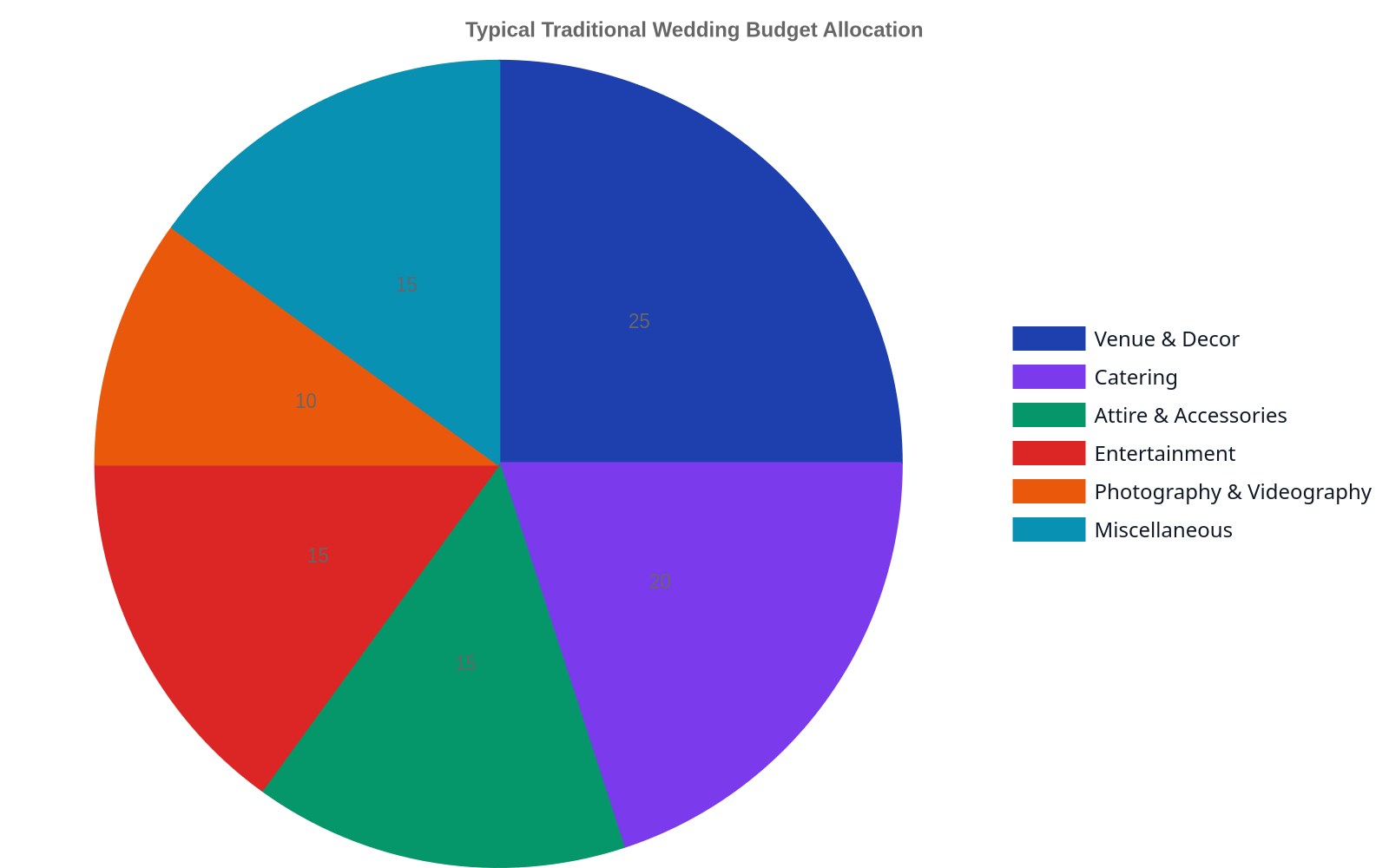
Understanding where the money goes is the first step to controlling it. While every family’s priorities are different, costs generally fall into predictable categories.
- The Dowry/Bride Price List: The groom’s family must formally request this list from the bride’s family. It varies significantly by culture (Igbo, Yoruba, Hausa, etc.) and is non-negotiable.
- Catering Costs: Food is central to any Nigerian celebration. Costs can range from ₦15,000 to over ₦50,000 per head depending on the menu. Always arrange a tasting session.
- Venue and Decoration: Your venue is the second-biggest cost after food. Ensure the package includes essentials like tables, chairs, and basic lighting. Our venue offers packages that cover these, so you aren’t surprised by hidden fees.
- Gifts for In-laws and Guests: The exchange of gifts is a cornerstone of the ceremony. These aren’t just tokens; they are symbolic. Budget for everything from the dowry items to souvenirs for all your guests.
Phase 2: The Details (1-3 Months Out)
With the major pieces in place, it’s time to focus on the elements that bring the day to life.
- Confirm the Menu: Work with your caterer to finalise the food and drink menu. Ensure it includes traditional dishes that represent both families. Don’t forget small chops and drinks for the initial welcome.
- Book Key Vendors: This includes your photographer/videographer, MC (Alaga/MC), DJ or live band, and makeup artist (MUA). The best professionals are in high demand.
- Send Out Invitations: Formally invite your guests. Digital invitations are common, but printed ones are still expected for close family and VIPs. The UK’s Office for National Statistics data on marriages highlights the formal importance of such events across cultures.
- Arrange Security: For large gatherings, especially in a bustling city like Lagos, professional security is not optional. We provide professional security personnel to ensure every event is safe, a detail many people forget until it’s too late.
- Plan Guest Accommodations: For out-of-town guests, having easy access to lodging is crucial. We offer elegant guest accommodations and suites, which simplifies logistics and keeps your loved ones close.
The most successful traditional weddings aren’t the most expensive ones. They are the ones where respect for tradition is balanced with meticulous planning and guest comfort.
Phase 3: The Final Touches (The Week Of)
The big day is almost here. This week is about confirmation and final preparations.
- Confirm All Vendors: Call your caterer, photographer, MC, and every other vendor to confirm arrival times and final details. No assumptions.
- Pack the Engagement Gifts: The groom’s family should have all items on the bride price list packed and ready for presentation. This includes everything from fabrics and jewellery to foodstuffs and cash gifts, often presented in decorative boxes or baskets.
- Assemble Your Wedding Day Emergency Kit: Include items like safety pins, a sewing kit, pain relievers, and extra makeup. Something will always go wrong, but it doesn’t have to become a crisis.
- Final Wardrobe Fitting: The bride and groom should have their final fittings to ensure their traditional attire is perfect.
- Delegate Day-Of Tasks: Assign a reliable family member or your wedding planner to be the point person for any issues that arise. You should be celebrating, not problem-solving.
The Copy-Paste Checklist
Here are all the items in one place. Copy this into your notes app.
3-6 Months Out:
- Finalise Guest List
- Set Detailed Budget
- Book Venue
- Select Aso Ebi
- Hire Wedding Planner
1-3 Months Out:
- Confirm Catering Menu
- Book Photographer/Videographer
- Book MC (Alaga)
- Book DJ/Live Band
- Book Makeup Artist
- Send Invitations
- Arrange Security
- Plan Guest Accommodations
The Week Of:
- Confirm All Vendor Arrival Times
- Pack Engagement Gifts & Dowry Items
- Assemble Wedding Day Emergency Kit
- Final Wardrobe Fitting
- Delegate Day-Of Point Person
FAQ
What is the most important traditional wedding ceremony essential?
While every item is important, securing the dowry list from the bride’s family and fulfilling it completely is arguably the most critical step. It is the formal, symbolic act that underpins the entire ceremony and the union of the two families.
How much does a traditional wedding in Lagos cost?
Costs vary wildly based on guest count and family expectations. Your biggest expenses will almost always be the venue and catering.
How far in advance should I book my wedding venue?
For a prime venue in Lagos, you should book at least 9-12 months in advance, especially if you are getting married during the peak season (November-December). Waiting too long limits your options and can lead to compromises on your vision. For more insight on timelines, consider how nigerian wedding planning balances tradition and modern schedules.
Do I need to provide gifts for all guests?
Yes, providing souvenirs or wedding favors is a standard and expected part of Nigerian wedding culture. It’s a way of thanking your guests for celebrating with you. The value can vary, but the gesture is what counts. A study on gift-giving shows its universal importance in social events.