How to Choose an Event Venue in Lagos for 2026
Most people begin their search for an event venue by looking at photos. This is their first, and often most expensive mistake. A pretty room doesn’t guarantee a successful event. Choosing the right event venue requires a multi-faceted approach that goes far beyond aesthetics. Prioritize your budget, capacity needs, and event type first. Then, evaluate the location’s accessibility, the available amenities and services, and the contract’s flexibility. A thorough site visit is non-negotiable to assess ambience, technology, and potential hidden issues before you commit. This systematic evaluation ensures the venue aligns perfectly with your event’s core objectives and guest experience.
The reality is, the venue decision is one of the biggest drivers of your event’s success. As we see a massive return to live gatherings—with a staggering 91% of event programs now containing in-person events—the pressure to secure the right space is higher than ever.
Factors to Consider When Choosing an Event Venue
The initial excitement of finding a beautiful space can quickly fade when practical issues arise. Before you fall in love with high ceilings and chandeliers, ground your decision in these three core pillars.
Capacity, Layout, and Flow
Your guest count is the first filter. A venue that’s too small creates a cramped, uncomfortable experience. One that’s too large can make your event feel empty and kill the atmosphere. We operate with a capacity of 500-1000 guests, which provides flexibility, but you need to know your numbers first. Consider the layout—is it a single large room or multiple breakout areas? For a wedding, you might want a distinct area for the ceremony and another for the reception. For a corporate conference, you might need smaller rooms for workshops. At Regal Castle Event Center, we offer both expansive outdoor and indoor event spaces to accommodate different event flows. Think about the movement of people: from registration to the main hall, to restrooms, to an outdoor area. A clunky layout creates bottlenecks and frustration.
Location and Accessibility for Your Guests
An amazing venue in an impossible-to-reach location is a recipe for low attendance. For your guests in Lagos, this is paramount. How easy is it to get to the venue from major hubs like Ikeja or Victoria Island? According to an Eventbrite study, location is a top factor for attendees when deciding to go to an event. Consider traffic patterns, especially for weekday events. Is there ample, secure parking? For out-of-town guests, what are the nearby hotel options? Is the venue accessible via public transportation or ride-sharing services? Our location on Ikotun-Idimu Road was chosen to provide a central, accessible point for guests across the city.
Aesthetics, Ambiance, and Theming Potential
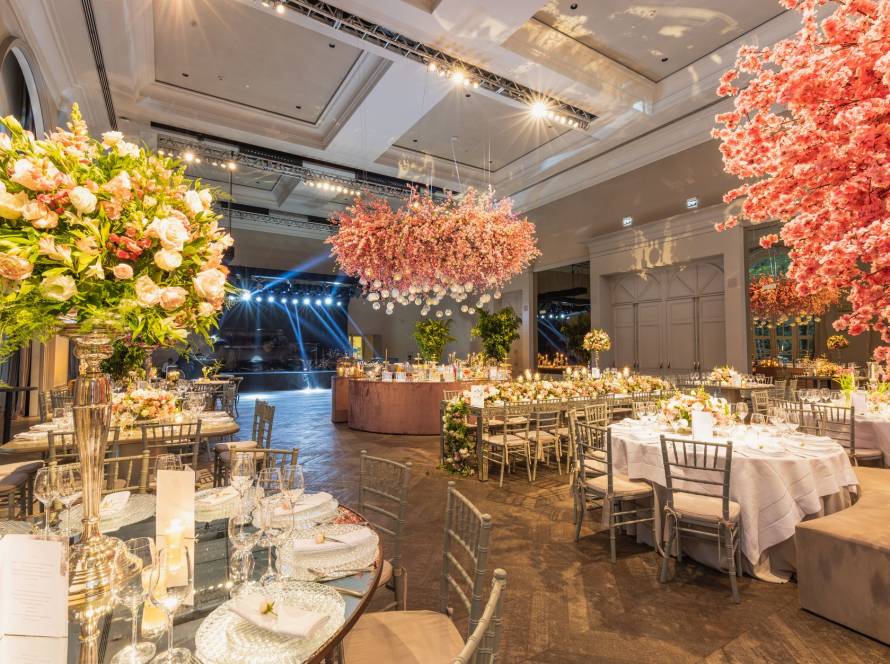
Once the practicalities of size and location are confirmed, you can consider the mood. The venue’s architecture and interior design are the canvas for your event. Does it match your brand or personal style? A modern, minimalist space might be perfect for a tech product launch but feel cold for a traditional wedding. A grand, ornate hall might be ideal for a gala but overwhelming for a casual birthday party. Look at the existing decor, lighting, and finishes. How much work—and money—will it take to transform the space to fit your vision? A venue with strong, built-in character might save you thousands of Naira in decoration costs.
Budgeting for Your Event Venue
Your venue will likely be the single largest expense in your event budget. Mismanaging this cost can have a domino effect on every other aspect of your planning. The global event industry market share is projected to hit $2.5 trillion by 2035, and a significant slice of that is venue hire.
Understanding Venue Hire Fees in Lagos
In Lagos, venue costs can range from a few hundred thousand Naira for a basic hall to tens of millions for a premium location. The price is influenced by location, capacity, day of the week, and included amenities. A Saturday booking will almost always cost more than a Tuesday. Some venues have a flat hire fee, while others work on a “minimum spend” model, where you must spend a certain amount on their in-house catering and drinks. Always ask for a detailed price list and clarify what’s included. Is it just the space, or does it include tables, chairs, basic lighting, and security?
Spotting Hidden Costs and Additional Fees
This is where many planners get into trouble. The initial quote is rarely the final price. You must proactively ask about additional costs. Common ones include:
- VAT: Is it included in the quote?
- Service Charge: Often a percentage (10-25%) added to catering bills.
- Cleaning Fees: Especially if you’re bringing in outside vendors.
- Security Personnel: Some venues mandate their own security at an extra cost.
- Power/Generator Fees: In Nigeria, you must have a clear generator policy and know the cost of diesel.
- Corkage Fees: The fee for bringing your own drinks, which can be charged per bottle or per guest.
Create a spreadsheet and list every potential cost. A venue that looks cheaper upfront might become more expensive once these extras are factored in. When you plan your budget, it’s wise to look at guides on where your money really goes.
Negotiation Tips for Venue Contracts
While the main hire fee on a peak day might be non-negotiable, other areas often have wiggle room. Consider these negotiation points:
- Book on Off-Peak Days: If your date is flexible, ask for the rate for a Thursday or Sunday.
- Bundle Services: Venues with in-house services might offer a discount if you use their catering, A/V, and decor.
- Ask for Value-Adds: Instead of a price reduction, ask if they can include complimentary items, like a suite for the bride, extra hours for setup, or upgraded lighting.
- Multi-Booking Discount: If you’re planning a series of events, like for a corporate roadshow, ask for a bulk discount.
The perfect venue doesn’t just host your event; it elevates it. It’s the silent partner that ensures every guest feels comfortable, every photo looks stunning, and every moment feels intentional.
The Venue Selection Process: A Step-by-Step Guide

Finding your venue is a structured process, not a frantic search. Follow these steps to ensure you make a logical, informed decision.
- Define Your Event’s Core Requirements: Before you even open a browser, write down your non-negotiables: budget range, estimated guest count, ideal date(s), and must-have facilities (e.g., breakout rooms, a stage, outdoor access).
- Conduct Online Research & Create a Shortlist: Use search engines, venue directories, and social media to find 5-10 potential venues in your target area of Lagos. Look at their websites, read reviews, and check their photo galleries for events similar to yours.
- Request Proposals and Compare Costs: Contact your shortlisted venues with your event requirements and ask for a detailed proposal. Create a spreadsheet to compare them side-by-side, normalizing the costs to account for what is and isn’t included.
- Conduct an Effective Site Visit: This is the most critical step. Schedule a visit with a venue manager. Take photos and videos. Test the Wi-Fi. Check the condition of the restrooms. Listen for ambient noise. Ask about power backup. Feel the space. You cannot do this properly through a screen.
- Review the Contract and Fine Print: Once you have a top choice, ask for the contract. Read every single line. Pay special attention to payment schedules, cancellation policies, and force majeure clauses. For high-stakes events, it makes sense to have a legal expert review it. Understanding what’s not negotiable is key.
- Finalize Booking and Pay the Deposit: After all your questions are answered and you’re comfortable with the contract, sign it and pay the required deposit to secure your date.
Comparing Venue Types: What Works Best for You?

Lagos offers a diverse range of venue types, each suited for different kinds of events. Understanding the pros and cons of each category helps narrow your search.
| Venue Type | Best For | Capacity (Typical) | A/V & Tech | Cost (Relative) |
|---|---|---|---|---|
| Hotel Ballroom | Corporate conferences, large weddings | 100-1000+ | Usually excellent | High |
| Dedicated Event Center | Weddings, galas, large parties | 500-1000+ | Often flexible/good | Medium-High |
| Outdoor Marquee/Gardens | Festivals, casual weddings, family fun days | Varies widely | Requires external hire | Varies |
| Restaurant/Bar | Intimate gatherings, small dinners | 20-100 | Basic | Low-Medium |
| Conference Hall | Business meetings, seminars | 50-500 | Specialized for presentations | Medium |
Essential Services, Amenities, and Technology
A venue is more than just four walls and a roof. The built-in infrastructure and policies can make or break your event logistics.
Audio-Visual, Wi-Fi, and Power Reliability
In our digitally integrated world, poor tech is not an option. Does the venue have a modern, built-in sound system, projectors, and screens? Or will you need to hire an external A/V company? Test the guest Wi-Fi during your site visit—is it fast and easy to connect to? For a corporate event, this is a dealbreaker. Most importantly, what is the power situation? In Lagos, this means asking about the size of their generator, the cost of diesel, and the switchover time. A power cut in the middle of a presentation is unprofessional; during a wedding reception, it’s a disaster.
In-House Services vs. Vendor-Friendly Policies
Some venues require you to use their in-house caterers, decorators, and security. This can simplify planning but limits your choices and negotiation power. Other venues have a list of preferred vendors but allow you to bring in your own. At Regal Castle, we pride ourselves on our Vendor-Friendly Policies, giving you the flexibility to work with the creative partners you trust. This is a crucial question to ask upfront. If a venue forces you to use a caterer whose prices are 50% above your budget, that “affordable” venue just became very expensive.
Security and Insurance Requirements
Guest safety is non-negotiable. What security measures does the venue have in place? Look for controlled access points, professional security staff, and surveillance systems. We ensure peace of mind with 24/7 CCTV Surveillance across our property. You also need to inquire about insurance. The venue will have its own liability insurance, but they will almost certainly require you to have your own event liability insurance. Ask for their requirements (usually ₦1M – ₦5M in coverage) and the deadline to provide the certificate of insurance.
The Nitty-Gritty: Contracts and Legalities
An event contract is a legally binding document that protects both you and the venue. Do not treat it as a formality.
A contract isn’t just a formality; it’s your event’s primary insurance policy. A clause you skim over today can become a multi-million Naira problem tomorrow.
Understanding Flexibility and Force Majeure
After the experiences of the last few years, contract flexibility is more important than ever. What happens if government regulations change or a situation beyond your control forces a postponement? This is covered by the “force majeure” clause. Read it carefully. Does it allow for postponement without penalty? Can you apply your deposit to a future date? A rigid contract can lead to a total loss of your investment. It’s one of the most important aspects we discuss with clients for both corporate and social events.
Cancellation Policies and Payment Schedules
Life happens. What if you need to cancel? Cancellation policies are usually tiered. You might lose just your deposit if you cancel a year out, but you could be liable for 100% of the venue fee if you cancel within 30 days of the event. Ensure this is clearly spelled out. Also, check the payment schedule. It’s typically a 50% deposit to book, with the final balance due 14-30 days before the event. Avoid any venue that asks for 100% payment upfront months in advance. Reputable legal resources can provide further context on [Nigerian contract law](https://www. असाल-law.com/insights/the-essentials-of-a-valid-contract-in-nigeria/).
How Venue Choice Changes for Different Events
The “best” venue is entirely dependent on the type of event you are hosting. The criteria for a corporate retreat are vastly different from those for a wedding.
For Weddings: The Romantic Element
For a wedding, ambience and emotion are top priorities. You’ll be looking for beautiful backdrops for photos, a space that feels personal and romantic, and perhaps separate areas for the ceremony, cocktail hour, and reception. Proximity to guest accommodation is key, as is a layout that can accommodate a dance floor and a live band or DJ.
For Corporate Events: Professionalism and Functionality
When hosting Corporate Events, the focus shifts to functionality. Key considerations include strong Wi-Fi, excellent A/V capabilities for presentations, adequate lighting for note-taking, and breakout rooms for sessions. The location needs to be professional and easily accessible for attendees. The overall atmosphere should be conducive to business and networking, not partying.
For Social Parties: The Vibe is Everything
For birthdays, anniversaries, or galas, the “vibe” is king. You need a space that can generate energy. This could mean a venue with a great sound system, unique architectural features, or flexible space for a large dance floor. The ability to bring in your own DJ and control the lighting is often more important than breakout rooms or Wi-Fi speed.
FAQ
When should I start looking for an event venue in Lagos?
For large events like weddings or major corporate functions (150+ guests), you should start looking 12-18 months in advance, especially if you want a specific date or a popular venue. For smaller events, 6-9 months is often sufficient. The best venues in Lagos get booked up very quickly.
What are the biggest hidden costs when booking a venue?
The most common hidden costs in Nigeria are fees for generator/diesel, corkage fees for bringing your own beverages, mandatory security staff, and service charges on top of catering bills. Always ask for a full list of potential additional charges before signing a contract.
How much should I budget for a venue in Lagos?
This varies dramatically. A small hall might cost ₦500,000, while a premium event center in Ikoyi or VI can cost upwards of ₦10,000,000 for a Saturday. As a general rule, expect the venue and catering to consume 40-50% of your total event budget.
Is it better to choose a venue with in-house catering?
It can be simpler, as it streamlines coordination. However, it can also be more expensive and less flexible. If food is a critical component of your event and you have a specific caterer in mind, a venue with a vendor-friendly policy is a better choice.
What questions should I ask during a venue site visit?
Beyond what you see, ask about their power backup plan, vendor policies, security procedures, staff-to-guest ratio for service, and a complete breakdown of what their fee includes (tables, chairs, linens, etc.). Ask to see the restrooms and any back-of-house areas you’ll be using.
Choosing a venue is the foundational decision of your event plan. By moving beyond simple aesthetics and applying a rigorous, practical evaluation, you select a partner, not just a place. You choose a space that actively contributes to your event’s success. If you’re ready to find a flexible, elegant, and accessible venue in Lagos for your next event, we invite you to get in touch with our planning team at Regal Castle.