Aso ebi fabric in Lagos costs between ₦15,000 and ₦150,000 per person in 2026, depending on the material type and yardage. Setting these prices fairly dictates whether guests feel burdened by the expense or excited to wear the family colours. When family coordinators understand exact bundle rates and tailoring allowances, they protect their relationships while maintaining the event’s visual standard.
Fabric Types and Bundle Rates
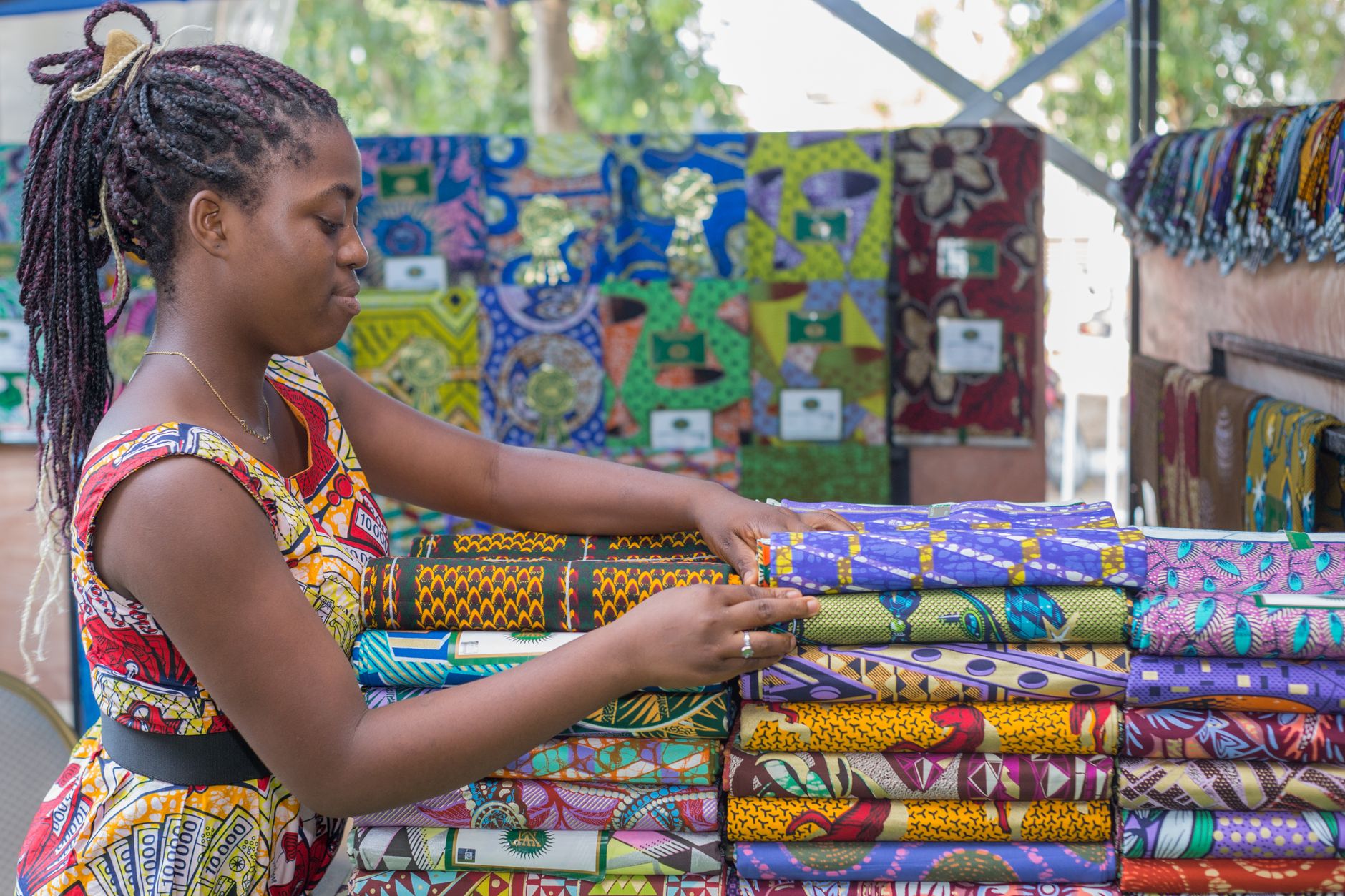
Coordinators categorise aso ebi textiles into distinct price tiers based on formality and guest relationships. An entry-level option like an Ankara Fabric Set (5 Yards) costs ₦15,000 to ₦35,000. This package offers an accessible price point for large extended family circles, social clubs, and general wedding attendees. Organisers select this option when widespread group participation takes precedence over formal luxury. The breathable cotton material suits the humid Lagos climate, keeping attendees comfortable during long ceremonies.
Ceremonies requiring structured traditional attire for close relatives move up to the second tier. Choosing a Cotton Lace Set raises the expenditure to between ₦45,000 and ₦80,000 per bundle. This material provides intricate embroidered patterns and a crisp, structured drape. While the higher price increases the financial commitment for guests, it visibly distinguishes close maternal and paternal relations from the general audience.
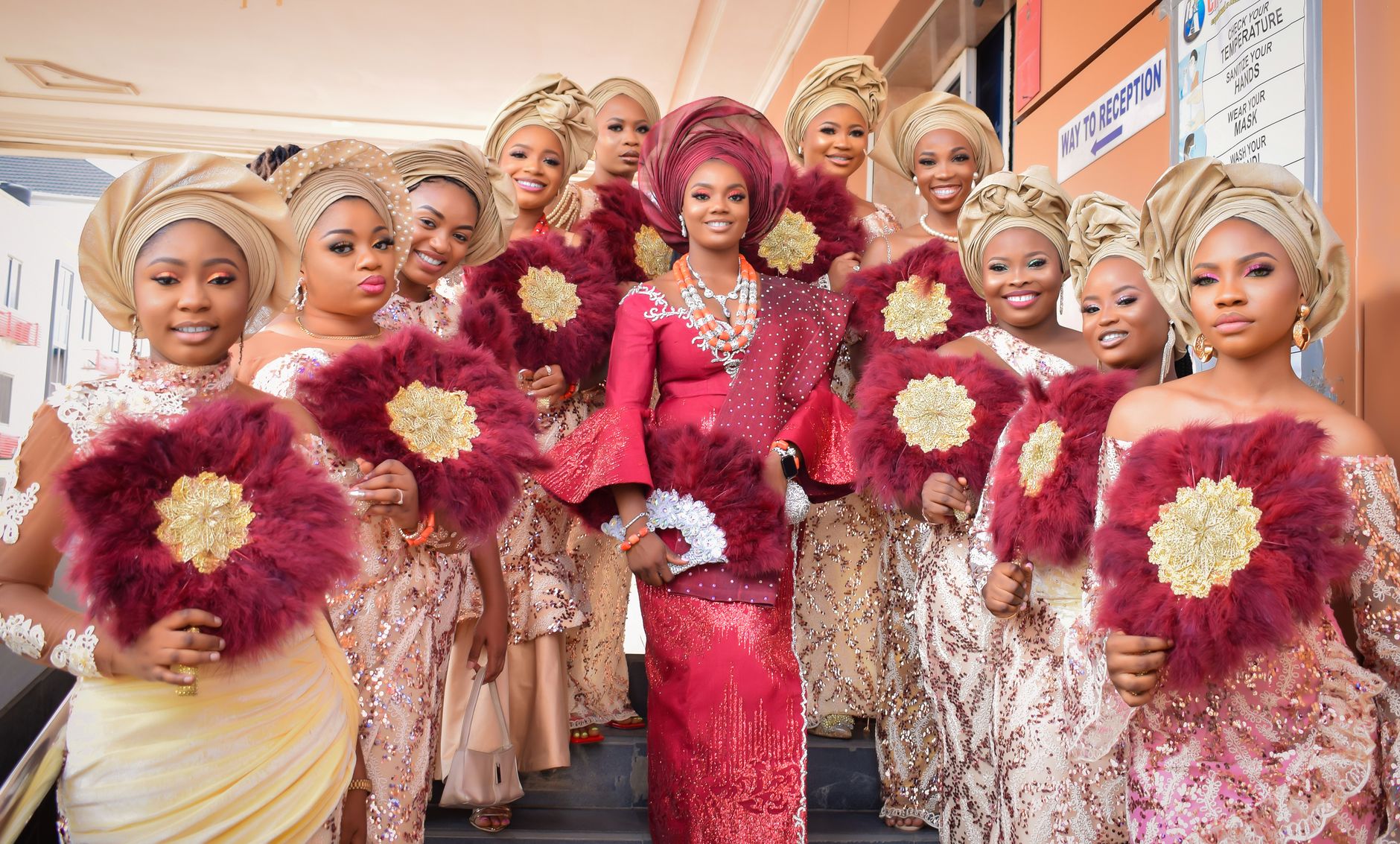
The third tier targets immediate bridal trains, mothers of the day, and VIP celebrants. Opting for a French Lace Set demands a mid-range budget of ₦90,000 to ₦150,000, with luxury crystal-embellished cuts reaching substantially higher figures. For traditional Igbo or Delta ceremonies requiring cultural wrappers, planners incorporate George Fabric, which typically sells for ₦60,000 to ₦120,000 per set.
Tiered distribution allows families to control total community spending without compromising presentation. Wedding hosts frequently allocate a French lace package to the immediate bridal party, while offering a coordinating cotton lace or ankara to wider community circles. Wholesalers across Lagos markets sell these materials in standardised bundles rather than individual yard cuts. Quoting the complete package rate directly to guests prevents misunderstandings about hidden per-yard fees.
Yardage Requirements and Style Tailoring Allowances
Selecting the bundle size dictates which garments guests can successfully sew. A standard fitted pencil dress requires 4 yards of fabric, whereas a classic Buba-and-Iro Cut needs approximately 5 yards to achieve full traditional volume. When coordinators distribute fabric packages, setting an inadequate cut restricts attendees to tight, simple patterns that might not suit their personal preferences or body profiles.
Elaborate silhouettes require additional yardage allowances from the initial purchase. A modern Lace Gown with Sleeves or Detailed Accents requires 6 yards to account for fabric pattern matching, flared hemlines, and structural underlays. Male guests require similar planning. A minimalist senator tunic requires 4 yards, but a formal three-piece agbada with extensive chest embroidery demands between 5 and 7 yards.
Tailoring charges in Lagos add another significant expense onto the initial textile purchase, running from ₦40,000 to over ₦200,000 depending on seamstress craftsmanship and design intricacy. Distributing a skimpy 4-yard bundle forces guests who desire statement outfits to seek supplemental lace from vendors after the primary dye lot has sold out.
Verifying bundle dimensions with wholesale merchants prevents these tailoring setbacks. Many open-market vendors package fabric in standard 5-yard pieces. While 5 yards accommodates traditional wrappers, informing attendees about exact measurements allows those planning voluminous gowns to request an extra cut before the master order closes.
Total Group Fabric Budgets for Lagos Weddings
Aggregating individual bundles into a collective order exposes the true financial scale of traditional wedding dressing. A Mid-Range Family Group Outlay (30 People) purchasing mid-tier lace generates a collective textile invoice between ₦750,000 and ₦2 million. At this level, coordinators carry serious financial exposure, as late payments from a handful of relatives can stall the supplier’s order and lead to mismatched fabric batches.
Larger guest lists magnify these totals substantially. An Extended Family Group Spend (30 to 50 People) requiring bundles priced between ₦25,000 and ₦150,000 per person runs from ₦750,000 to ₦7.5 million for textiles alone. Couples frequently miscalculate this expenditure because they evaluate individual set costs rather than the cumulative outlay demanded from their community network.
When couples select an event venue in Lagos capable of seating hundreds of guests, the visual impact of unified attire becomes a major decorative element. However, coordinating high-volume orders requires strict payment cutoffs and reliable vendor vetting. Managing multi-million Naira fabric pools leaves little room for uncollected pledges.
Procuring fabric directly from central wholesale merchants in Lagos, Ibadan, or Abuja provides leverage to negotiate bundled delivery and secure identical production dye lots. Collecting complete payments before confirming the master merchant invoice prevents couples from tying down personal savings in unclaimed lace packages.
Frequently Asked Questions
How Much Does Aso-Ebi Fabric Cost in Nigeria in 2026?
Aso ebi fabric costs between ₦15,000 and ₦150,000 or more per person in 2026, depending on the textile. Ankara is the most affordable at ₦15,000 to ₦35,000 for a 5-yard bundle, while French lace and George fabric command much higher prices for luxury events.
What Does Wearing Aso-Ebi Actually Cost a Guest?
The true cost includes the fabric bundle, tailoring fees, headgear, and matching accessories. While the material alone runs from ₦25,000 to ₦150,000, guests must also pay tailors to construct the outfit, which significantly increases their total financial outlay.
How Do Couples Price Aso-Ebi Fairly?
Couples price the fabric by passing on the actual bulk cost without excessive markups. They consider the guests’ financial capacity, choose accessible textiles for wider groups, and clearly state how many yards the payment covers.
Where to Buy Aso-Ebi Fabric in Bulk in Nigeria
Organisers buy bulk fabric from wholesale textile vendors in major markets across Lagos, Abuja and Ibadan. Vendors supply pre-cut packages of lace, ankara and George materials for large event groups, ensuring the entire family receives the exact same colour dye lot.
Lagos aso ebi pricing shifts across entry ankara bundles, structured cotton sets, and premium French lace depending on the yardage, formality, and guest tier selected. Balancing these three tiers against realistic tailoring needs allows families to achieve unified owambe grandeur without imposing unreasonable financial pressure on their attendees. For hosts coordinating celebrations for 500 to 1,000 guests, contact Regal Castle at 137 Ikotun-Idimu Road, Arida Bus-Stop, Lagos State, to secure an expansive setting for your event.