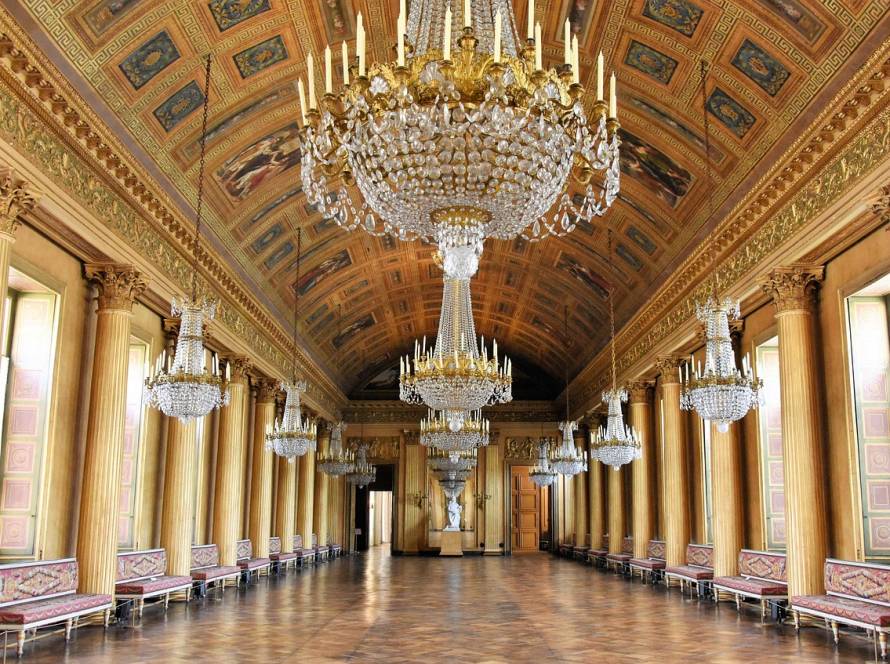
Elderly guest considerations are the specific adjustments made to a home or event space to ensure it is safe, comfortable, and accessible for older adults. This involves proactively identifying and removing potential hazards, simplifying navigation, and providing thoughtful amenities to accommodate age-related changes in mobility, vision, and health. The goal is to create an environment where older guests feel secure, respected, and can fully participate in the gathering without undue stress or risk of injury.
Hosting friends and family is a cherished part of Nigerian culture, but when your guests are older, a little extra preparation goes a long way. It’s not just about being a good host; it’s about preventing accidents. Falls are a significant cause of injury among older people, with environmental hazards being a major contributor. Taking an hour to walk through your space from their perspective can make all the difference, transforming a potentially stressful visit into a joyful one.

Creating an Accessible and Comfortable Environment
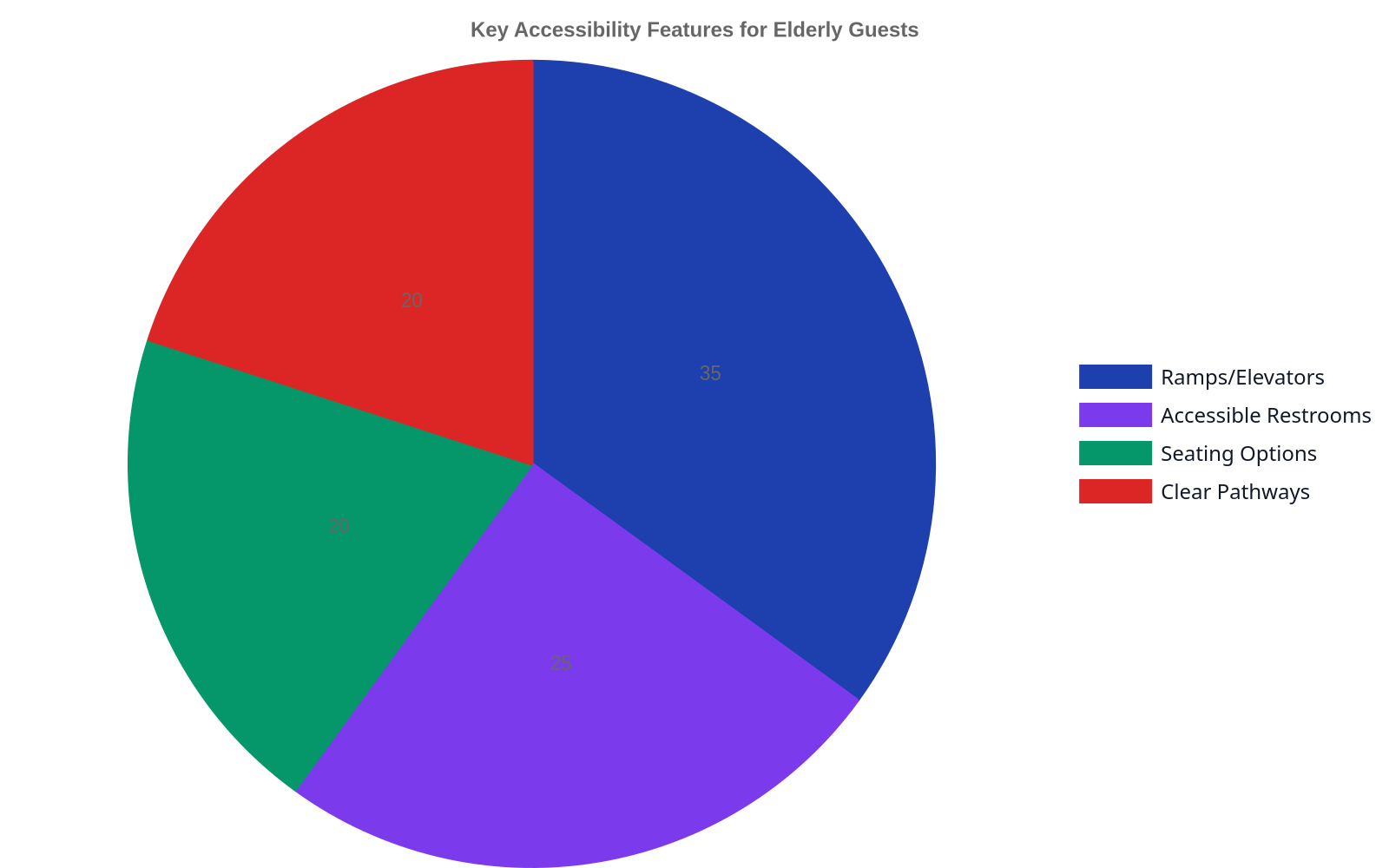
Your first priority should be a clear and safe path from the moment your guests arrive. If they are coming to an event at our venue on Ikotun-Idimu Road in Lagos, we ensure the drop-off area is clear and well-lit. At home, this means ensuring entrances are free of clutter, tripping hazards like loose mats are secured, and outdoor paths are illuminated. Inside, create wide, clear pathways. Remove or tape down area rugs.
The bathroom is one of the most critical areas to address. Non-slip mats in the bathtub or shower and on the floor are essential. If possible, installing temporary grab bars can provide crucial support. A raised toilet seat can also make a significant difference for someone with knee or back issues. Think about comfort in the living and sleeping areas, too. Ensure there’s a comfortable chair that’s easy to get in and out of. If they are staying over, a first-floor bedroom is ideal. For events, having a quiet, comfortable space for older guests to rest is a key part of our planning. We offer elegant Guest Suites for this very purpose.
What “Accommodating” is Not
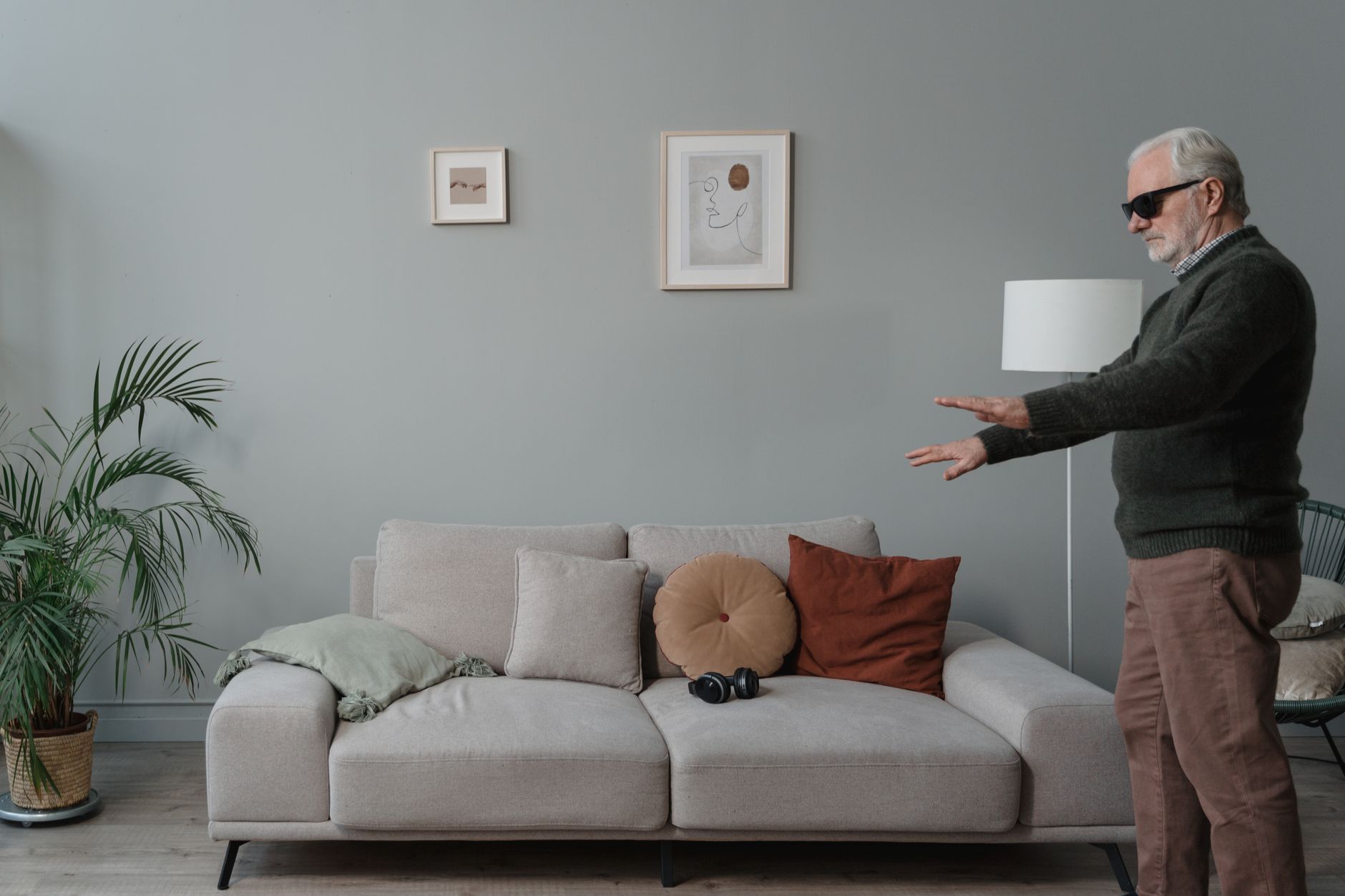
Making your space safer for an elderly guest isn’t about turning your home into a sterile, medical facility. It’s about thoughtful hospitality. It’s not about assuming they are helpless; it’s about removing unnecessary obstacles so they can maintain their independence. For instance, you don’t need to rearrange your entire living room, but moving a coffee table to create a wider path for a walker is a simple, respectful adjustment.
Being considerate of an elderly guest isn’t about making a fuss. It’s about quiet, practical actions that show you care about their safety and comfort, allowing them to enjoy the event with dignity.
This also doesn’t mean you have to do everything yourself. Our Event Planning Assistance often involves coordinating with vendors who specialize in accessibility rentals, from ramps to specialized seating. Open communication is the most important tool. A simple conversation with your guest or their caregiver before they arrive can clarify their specific needs, avoiding guesswork and ensuring they feel truly welcome.
When These Considerations Matter Most
While important for any visit, these considerations become critical during longer stays or large events like weddings and Private Parties. The unfamiliarity of a new environment, combined with the fatigue of travel or socializing, can increase risks. A guest who navigates their own home with ease might struggle in a different setting, especially at night. Simple additions like nightlights in hallways and bathrooms are invaluable.
Temperature control is another key aspect. Older individuals can be more sensitive to cold. Having extra blankets readily available and ensuring the room temperature is comfortable is a small but significant detail. At our venue, we manage climate zones to ensure everyone is comfortable. For those managing medication, having a clear, stable surface and a glass of water available is a thoughtful touch. The goal is to anticipate needs before they become problems. Even our Vendor-Friendly Policies are designed so that caterers and other partners can easily accommodate special dietary needs without issue.
FAQ
How can I make my bathroom safer for an elderly guest?
Place non-slip mats inside the shower and on the floor. A shower chair and a handheld showerhead can add comfort and safety. If possible, install temporary grab bars near the toilet and in the shower. A raised toilet seat can also be very helpful.
What are the most common tripping hazards I should remove?
Walk through your home and look for loose area rugs, electrical cords stretched across pathways, clutter on the floor, and low furniture that’s hard to see. Secure rugs with double-sided tape or remove them entirely during the visit. Ensure all areas are well-lit.
How do I talk to my guest about their needs without being intrusive?
Frame the conversation around your desire to make their stay comfortable and worry-free. You could say, “We are so looking forward to having you. To make sure everything is comfortable for you, is there anything we can prepare in the house that would make your visit easier?” This approach is respectful and proactive.
What should I do in case of a medical emergency?
Before your guest arrives, know the location and have the phone number of the nearest hospital. Keep a list of their emergency contacts, any major health conditions, and current medications handy. The Nigerian Red Cross offers first aid training that can prepare you to respond effectively in an emergency.
Are there entertainment options suitable for elderly guests at events?
Absolutely. Consider setting up a quiet area with comfortable seating for conversation. Card games, board games like Scrabble, or photo albums can be wonderful for engagement. For larger events, hiring a live band that plays classic tunes at a reasonable volume is often a huge success across all generations.